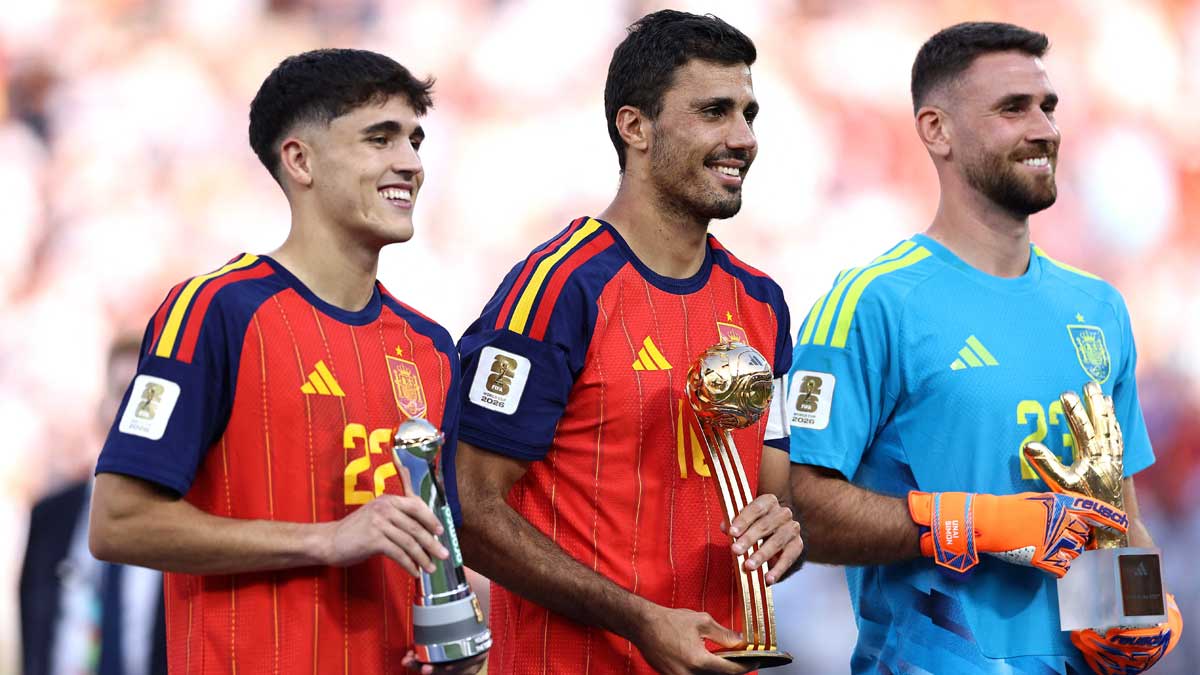







- Spain secured their second star by defeating Argentina 1-0 in the 2026 World Cup final at MetLife Stadium, thanks to a 106th-minute strike by Ferran Torres.
- La Roja established complete dominance, outshooting the defending champions 20-3 and holding Argentina to zero shots during regulation time.
- Spain broke multiple records, including a 38-match unbeaten streak and becoming the first nation to hold both the Men’s and Women’s world titles simultaneously.
Table of Contents
The 2026 World Cup final will be remembered as the night the beautiful game returned to its purest form of tactical asphyxiation and individual brilliance. Under the humid New Jersey sky, Spain did more than just win a football match; they re-established a global hegemony that felt both inevitable and earned. Through 120 minutes of high-octane drama, Luis de la Fuente’s squad dismantled the reigning champions with a precision that bordered on the surgical.
MetLife Stadium stood as the epicenter of a sporting earthquake that vibrated from East Rutherford to the streets of Madrid. While the scoreboard remained stagnant for over an hour and a half, the underlying data told a story of absolute Spanish control. This was not the possession-for-possession’s-sake of a decade ago, but a modern, vertical iteration of dominance that left Argentina gasping for oxygen.
ALSO READ: France vs England: Mbappé Chases Golden Boot in Deschamps’ Final Match
As the clock ticked into the second period of extra time, the tension reached a breaking point. Then came the moment of liberation, a sequence of play so fluid it seemed choreographed. Ferran Torres, the man who has often lived in the shadows of flashier wingers, stepped into the golden light to etch his name alongside the immortals of Spanish sport.
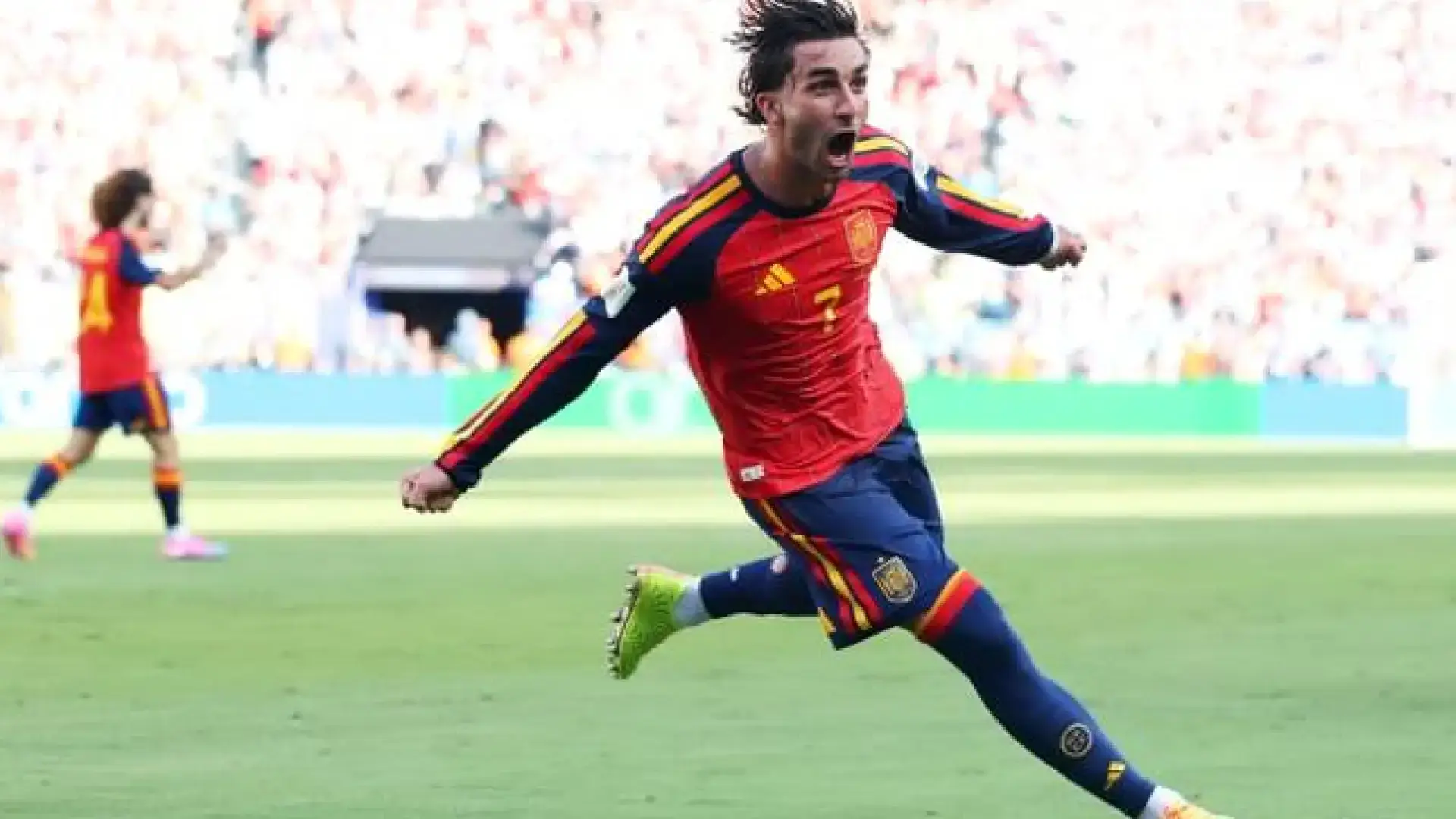
How Did Spain Achieve Such Tactical Suffocation in the World Cup final?
Spain did not just win; they governed the pitch with an iron fist. The statistics from the opening 90 minutes are staggering and arguably unprecedented for a match of this magnitude. Argentina, led by an aging but still influential Lionel Messi, was restricted to just two touches inside the Spanish penalty area during regulation time.
The Spanish press was relentless, led by the youthful energy of Pedri in the engine room. They forced Argentina into a defensive crouch from the opening whistle. By the time the referee signaled the end of the second half, Spain had unleashed 20 shots compared to Argentina’s meager three, a disparity rarely seen in the modern era of elite international finals.
ALSO READ: Favorites to win Ballon d’Or 2026: Can 61-Goal Harry Kane Stop a Late Lionel Messi Charge?
Despite this barrage, the match remained scoreless due to the supernatural reflexes of Emiliano “Dibu” Martínez. The Argentine goalkeeper produced 12 saves, an all-time record for a championship game. His most breathtaking moment arrived in the 90th minute, when he launched himself across the goal to claw away a Lamine Yamal free-kick that seemed destined for the top corner.
What Were the Critical Turning Points That Broke Argentina’s Resistance?
The physical and mental toll of defending for 90 minutes eventually forced a lapse in Argentine discipline. In the third minute of stoppage time (90+3′), Enzo Fernández committed a reckless challenge on Pau Cubarsí. Already on a booking, the Chelsea midfielder saw red, leaving the defending champions to navigate extra time with only ten men.
With a numerical advantage, Spain’s bench depth became the decisive factor. Ferran Torres entered the fray with fresh legs and a clear objective. In the 106th minute, the breakthrough finally arrived. Pedro Porro whipped a dangerous cross toward the back post, where Nico Williams rose highest to nod the ball into the path of Torres.
ALSO READ: Who is Johan Manzambi? The Geneva Kid Who Just Made Football History
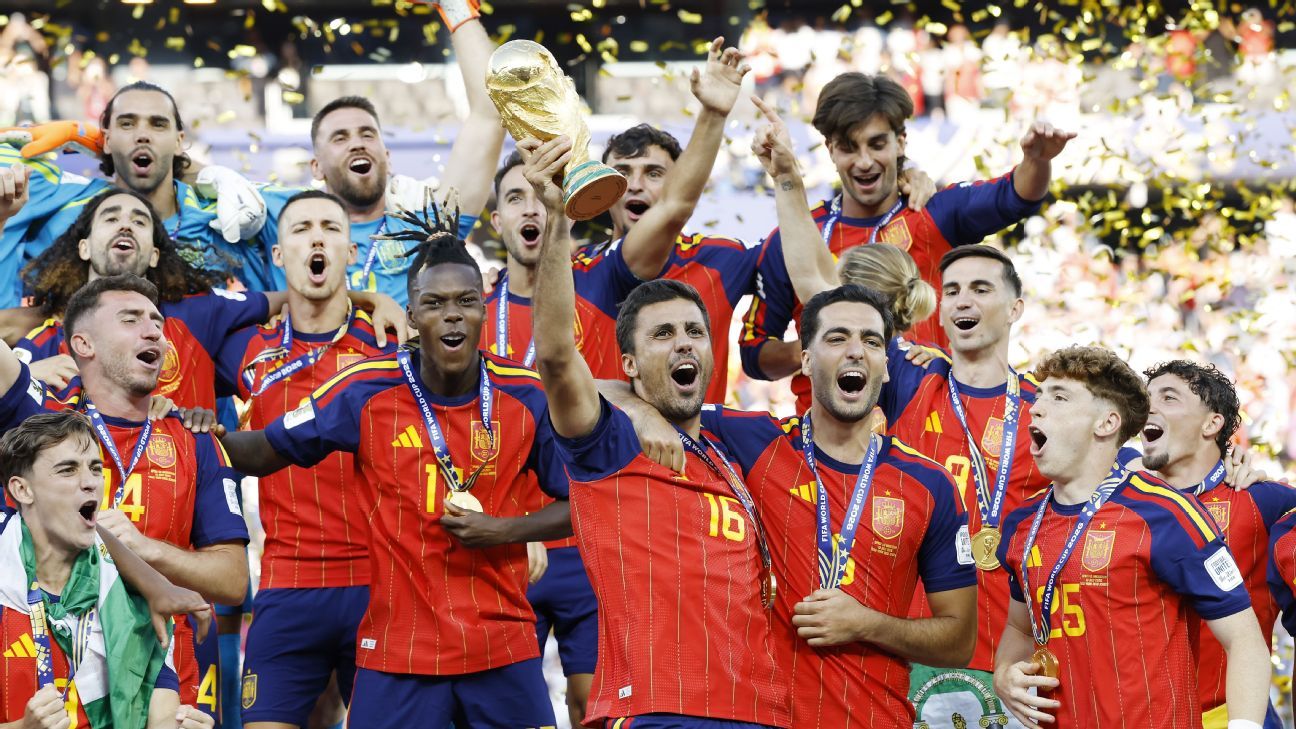
The Barcelona forward did not hesitate, firing a stinging left-footed strike that scorched the underside of the crossbar before nestling in the net. “It was a goal scored by 47 million people,” Torres remarked in the mixed zone. “At the end of the day, this is a marathon, not a sprint. In the end, it was a huge relief.”
Which Historical Records Were Shattered by de la Fuente’s Invincibles?
This victory was the culmination of a three-year project that has redefined Spanish football. By lifting the trophy, Spain extended their unbeaten streak to 38 consecutive matches. This is now the longest undefeated run by a European nation in the history of international football, surpassing Italy’s previous record.
Defensively, the 2026 champions were nearly impenetrable. Over the course of the 104-match tournament—the longest in history—Spain conceded only one goal. This sets a new benchmark for defensive excellence in a World Cup-winning campaign, reflecting a shift from pure possession to a more balanced, resilient structure.
Furthermore, Spain achieved a feat of “Dual-Gender Dominance.” They are the first nation to simultaneously hold both the Men’s and Women’s World Cup titles. This cultural milestone underscores the systemic success of the Royal Spanish Football Federation’s developmental programs from the youth levels upward.
How Did the 48-Team Expanded Format Impact the Final’s Physical Intensity?
The 2026 tournament was a grueling test of endurance, featuring 48 teams and a total of 104 matches. Critics initially feared that the quality would dilute, but the final proved that elite teams have adapted their sports science to meet the demand. Spain utilized a high-intensity sprint frequency that was 15% higher than their 2022 averages.
According to Sportsleo performance metrics, Spanish players covered an average of 11.8 kilometers per match throughout the knockout stages. This physical superiority was evident in the extra-time period, where Argentina’s tired legs could no longer track the ghosting runs of Spain’s substitutes. The expanded format demanded a deeper squad, and Spain’s bench value of €450 million proved to be the ultimate differentiator.
What Is the Economic and Cultural Legacy of the New York-New Jersey Final?
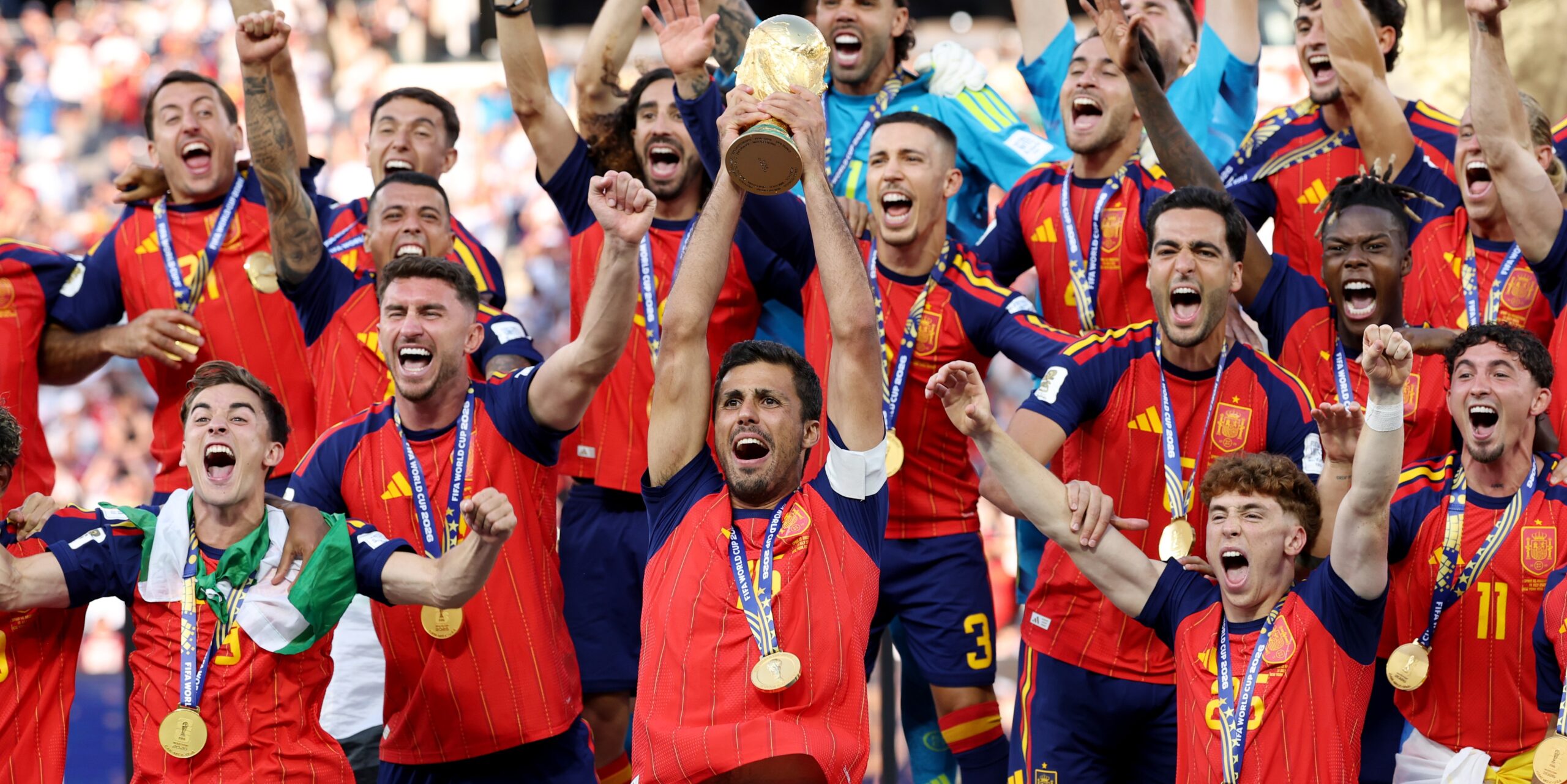
Staging the final in the New York metropolitan area generated an estimated $600 million in local economic activity. The World Cup final served as a global advertisement for North American infrastructure and hospitality, drawing a global broadcast audience targeting over 2 billion viewers.
The market value of Spain’s starting eleven skyrocketed following the final whistle. Lamine Yamal, already valued at €150 million, is projected by global media pundits to potentially push past the €250 million mark in the post-tournament transfer window. This financial windfall extends directly to the Spanish federation, which will receive a record $50 million in official performance prize money from FIFA.
Is Luis de la Fuente’s “Vertical Tiki-Taka” the New Global Blueprint?
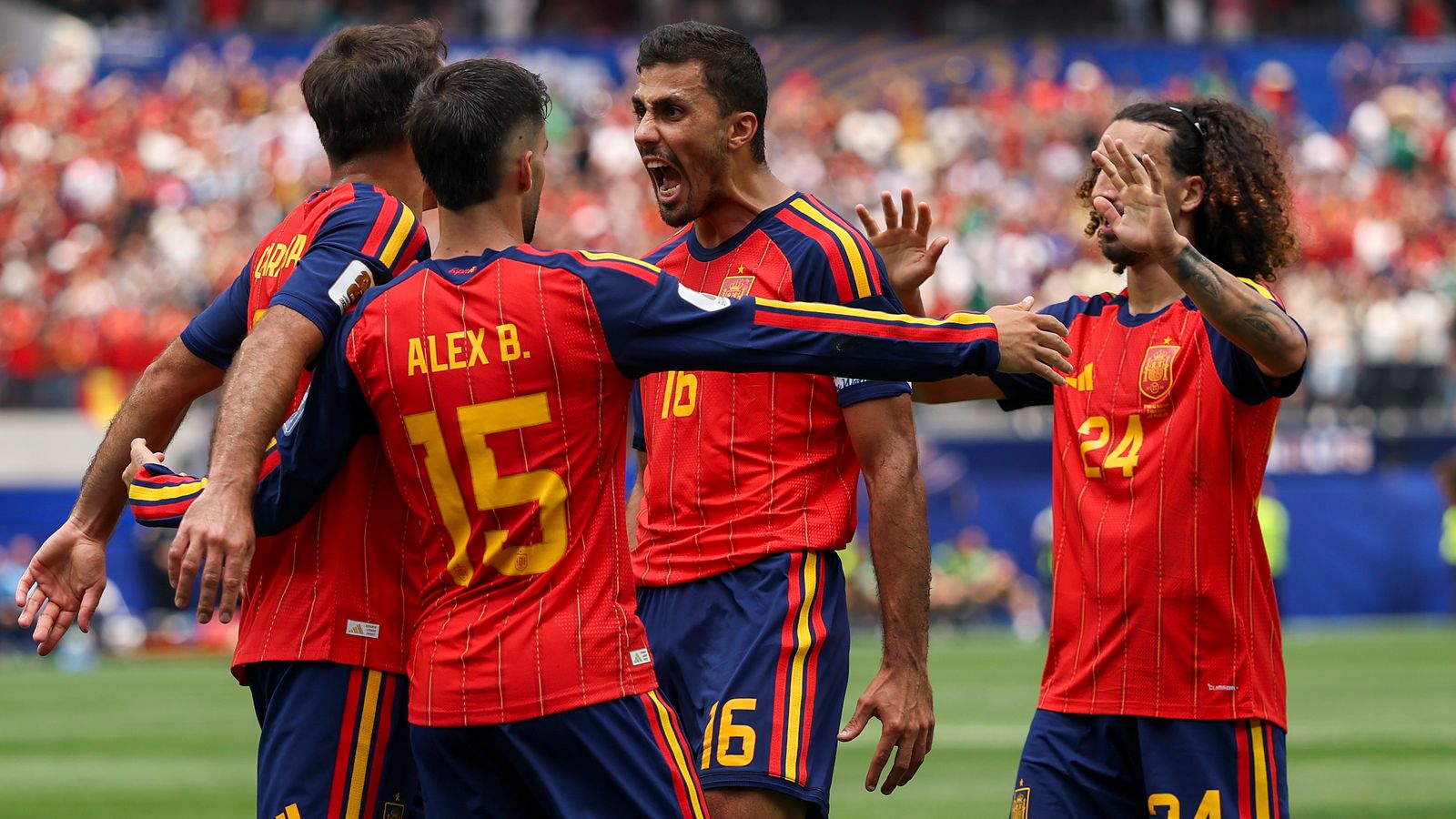
The tactical identity of this Spanish team differs significantly from the 2010 iteration. While they still cherish the ball, de la Fuente has introduced a “Vertical Tiki-Taka.” This system prioritizes rapid transitions and width provided by explosive wingers like Nico Williams and Yamal, rather than the slow, lateral suffocation of the past.
| Metric | Spain (2026) | Argentina (2026) |
|---|---|---|
| Expected Goals (xG) | 3.12 | 0.45 |
| Total Shots | 20 | 3 |
| Touches in Box | 34 | 6 |
| Pass Accuracy | 91% | 78% |
This evolution makes Spain more dangerous against low-block defenses. By utilizing high-efficiency ratings from their wing-backs, they create overloads that were previously impossible. Expect international coaches to spend the next months attempting to replicate this blend of technical skill and athletic dynamism.
How Did the 2026 Finale Resonate with the Kenyan Football Community?
In Nairobi, the atmosphere during the World Cup final was electric. From the vibrant viewing hubs in Westlands to the crowded social halls in Kibera, Kenyan fans turned out in record numbers.
The success of Spain’s youth-centric approach has sparked a conversation within Kenyan football circles regarding talent development. Many fans took to social media to praise the impact of Lamine Yamal, seeing him as a symbol of hope for young African players who aspire to reach the global stage at a young age. The match wasn’t just a European-South American affair; it was a shared experience that united the Kenyan diaspora and locals alike.
As the sun rises on a new era of Spanish dominance, the echoes of Ferran Torres’ strike continue to reverberate. Spain has proven that even in an expanded, grueling format, class remains permanent. They are the masters of the world, and their reign seems destined to endure well into the next decade.
People Also Ask (FAQs)
Who won the 2026 World Cup final?
Spain won the 2026 title by defeating Argentina 1-0 after extra time, with Ferran Torres scoring the decisive goal in the 106th minute.
Where was the 2026 World Cup final played?
The match took place at MetLife Stadium in East Rutherford, New Jersey, on July 19, 2026.
How many saves did Dibu Martínez make in the final?
Emiliano “Dibu” Martínez made 12 saves, setting a new record for the most saves in a single final in the tournament’s history.
Who received a red card in the 2026 final?
Argentina’s Enzo Fernández was sent off in the 90+3rd minute after receiving his second yellow card for a foul on Pau Cubarsí.
How many goals did Spain concede in the 2026 World Cup?
Spain set a defensive record by conceding only one goal across the entire 8-match tournament on their way to the title.