
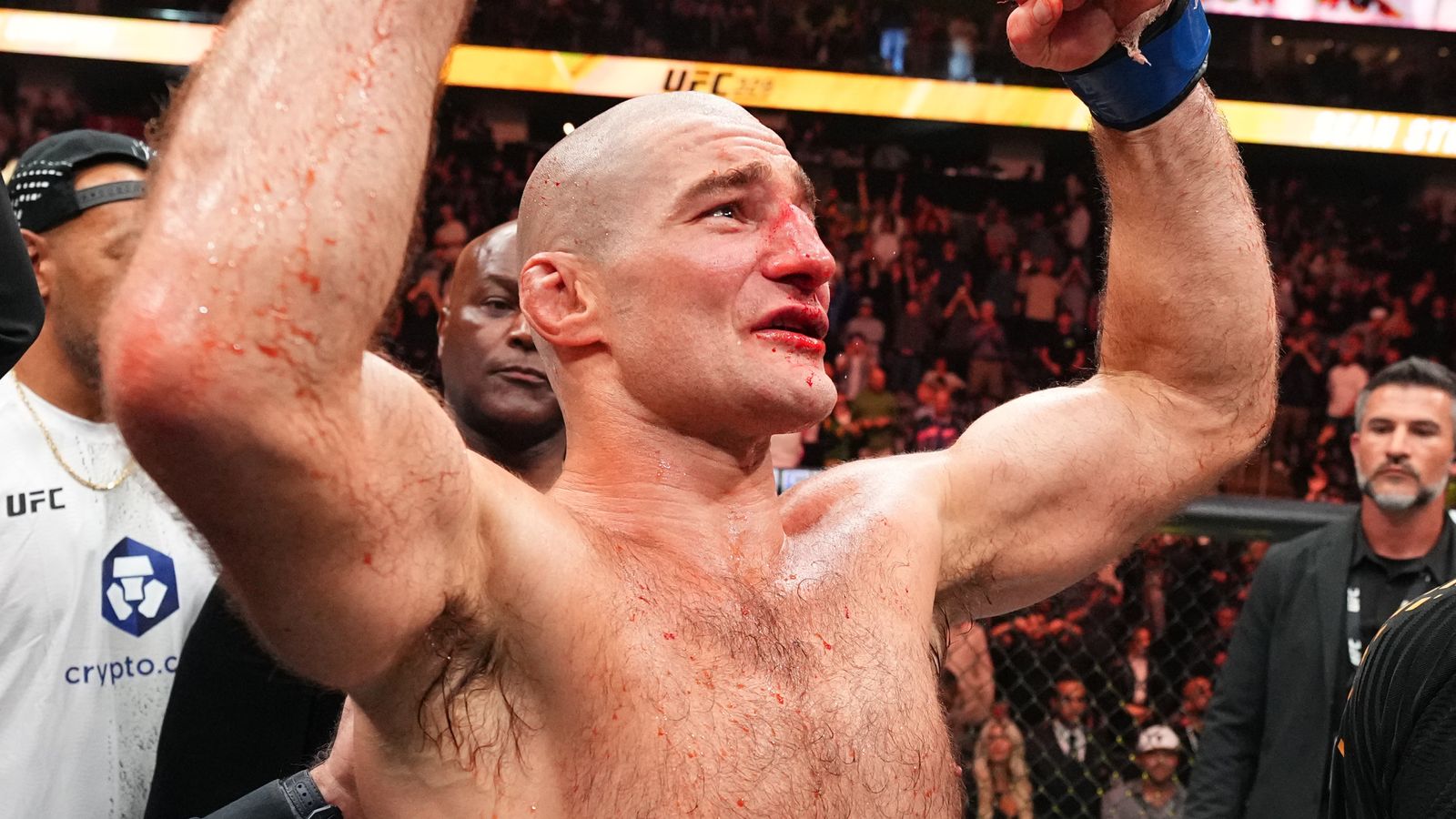
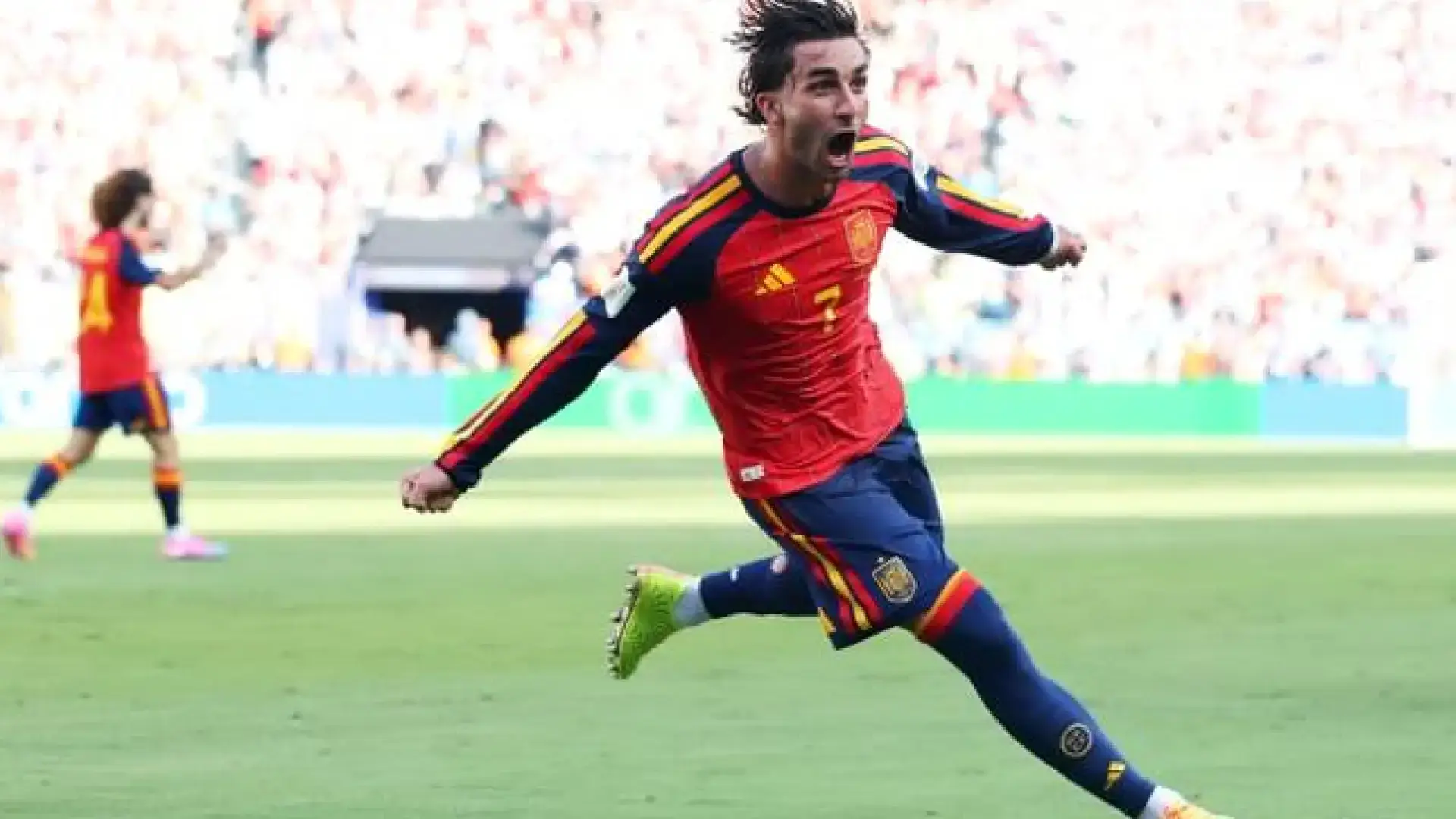
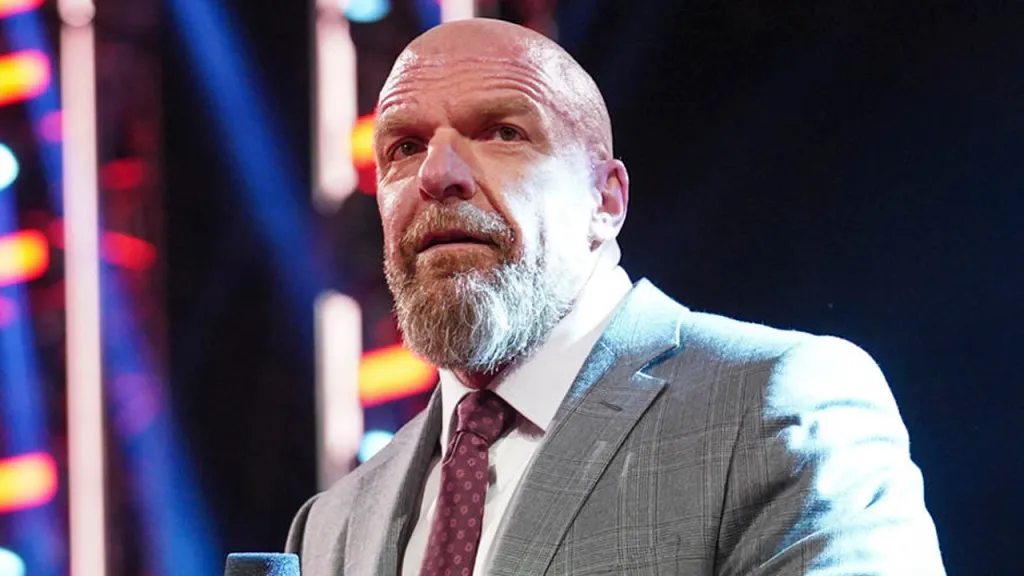
- Billionaire Benchmark: Nine sports figures have crossed the 10-figure net worth threshold in 2026, led by Michael Jordan at $3.6 billion.
- Equity Over Salary: The shift from traditional wages to ownership equity in franchises, media studios, and apparel brands now generates over 80% of long-term athlete wealth.
- The Top 11 Floor: The financial cutoff to enter the top 11 stands at $850 million, held in a tie by active NBA legend LeBron James and tennis icon Roger Federer.
Table of Contents
The modern sports economy has completely transformed how elite stars build generational wealth. Professional athletes no longer rely solely on playing contracts or basic endorsement checks to accumulate fortune.
Instead, today’s sports icons leverage capital, global licensing, media ownership, and strategic private equity to enter the global billionaire class.
ALSO READ: Esports as a Career in Kenya: How Shaq’s $3,000 Triumph and Local Showdowns Are Changing the Game
According to verified financial tracking data from Celebrity Net Worth, the richest athletes in the world 2026 represent a total combined net worth exceeding $18.4 billion.
This definitive evaluation breaks down the top 11 figures who dominate global sports finance through career earnings, lifetime equity deals, and diversified business empires. Our analysis begins with basketball icon Michael Jordan at the summit and extends to the tied $850 million mark held by LeBron James and Roger Federer.

From fast-food franchise kings to equestrian heiresses and football enterprise leaders, this comprehensive study dissects the balance sheets of these modern commercial titans.
The 11 Richest Athletes in the World 2026 (Celebrity Net Worth)
| Rank | Athlete Name | Primary Sport | Estimated Net Worth |
|---|---|---|---|
| 1 | Michael Jordan | Basketball / Executive | $3.6 Billion |
| 2 | Vince McMahon | Wrestling Promoter / Executive | $3.2 Billion |
| 3 | Ion Țiriac | Tennis / Ice Hockey / Investor | $2.4 Billion |
| 4 | Magic Johnson | Basketball / Entrepreneur | $1.6 Billion |
| 5 | Junior Bridgeman | Basketball / Entrepreneur | $1.5 Billion |
| 6 | Tiger Woods | Golf | $1.3 Billion |
| 7 | Cristiano Ronaldo | Football | $1.2 Billion |
| 8 | Lionel Messi | Football | $1.0 Billion |
| 9 | Anna Kasprzak | Dressage / Heiress | $1.0 Billion |
| T-10 | LeBron James | Basketball | $850 Million |
| T-10 | Roger Federer | Tennis | $850 Million |
Who Are the Top Billionaire Sports Legends Driving Wealth in 2026?
At the apex of global athletic wealth sits Michael Jordan with a net worth of $3.6 billion. While Jordan earned under $100 million in playing salary during his storied NBA career, his financial legacy relies on masterclass asset growth.
His ongoing royalty deal with the Nike Jordan Brand yields hundreds of millions annually, complemented by his multi-billion-dollar sale of his majority stake in the Charlotte Hornets franchise.
Vince McMahon holds the second spot with a estimated valuation of $3.2 billion. McMahon engineered the transformation of World Wrestling Entertainment from a regional wrestling promoter into a lucrative global media infrastructure.
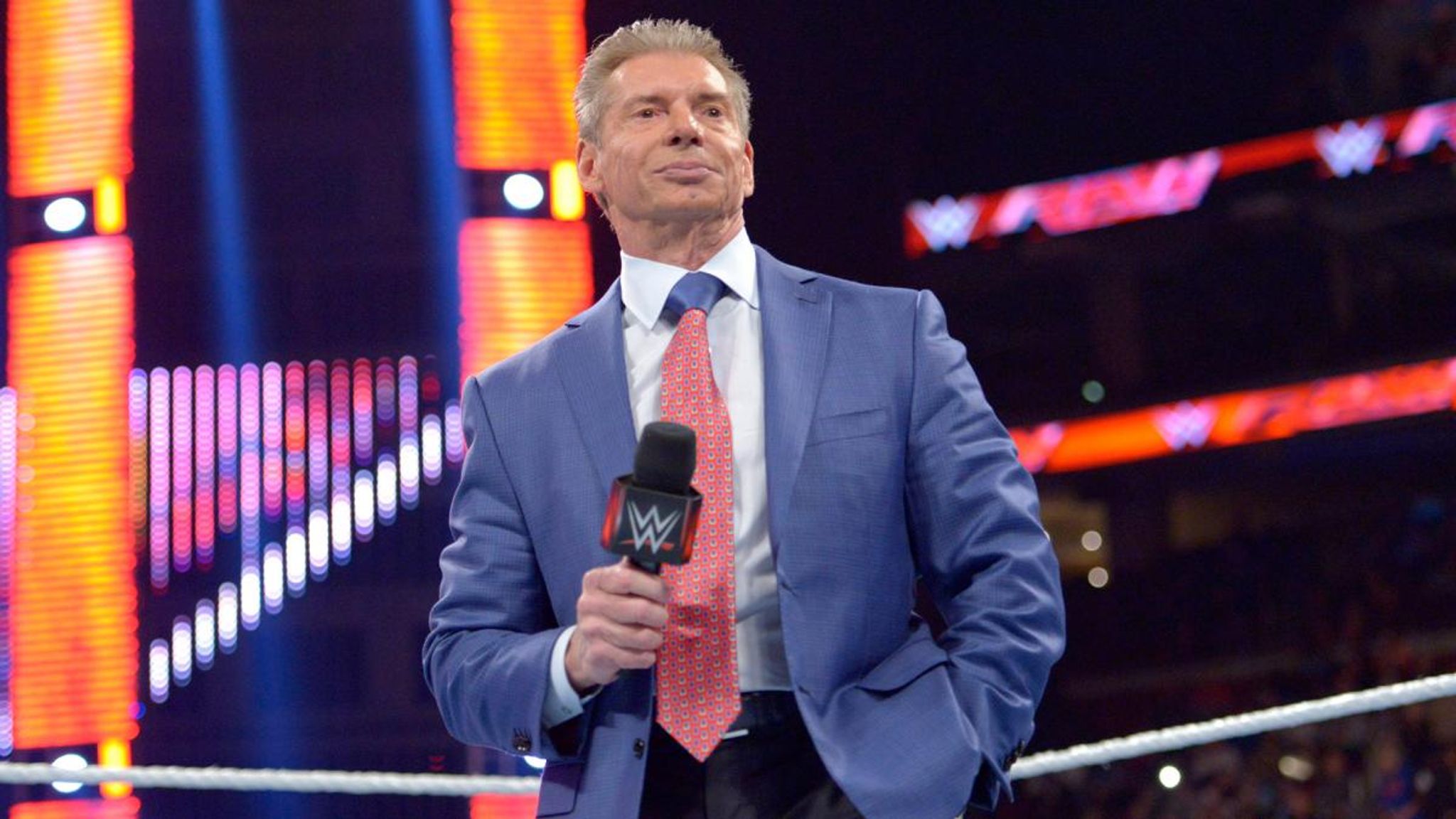
His fortune reached new heights following the high-profile corporate merger between WWE and UFC under TKO Group Holdings, cementing his status as an executive billionaire.
Romanian sports figure Ion Țiriac ranks third overall with a total net worth of $2.4 billion. Before developing an extensive commercial enterprise, Țiriac competed internationally in ice hockey and tennis during the 1960s and 1970s.
ALSO READ: Rey Mysterio Biography: Real Name, Age, Net Worth, WWE Career, Family, and Retirement Rumors
Following his competitive retirement, he spearheaded Țiriac Group, establishing dominant holdings across Eastern European private banking, insurance networks, retail automotive hubs, and prime real estate assets.
Which Entrepreneurial Pioneers Have Redefined Athlete Wealth Beyond the Game?
Earvin “Magic” Johnson occupies the fourth ranking among the richest athletes in the world 2026 with a net worth of $1.6 billion.
Through Magic Johnson Enterprises, the Hall of Famer executed bold capital allocation strategies targeting urban real estate, nationwide movie theater complexes, and lucrative early Starbucks franchise partnerships.
Furthermore, his diversified sports portfolio includes minority equity stakes in the Los Angeles Dodgers, Los Angeles FC, and the Washington Commanders.
ALSO READ: Michael Jordan Wife and Kids: A Look at His Life Off the Court
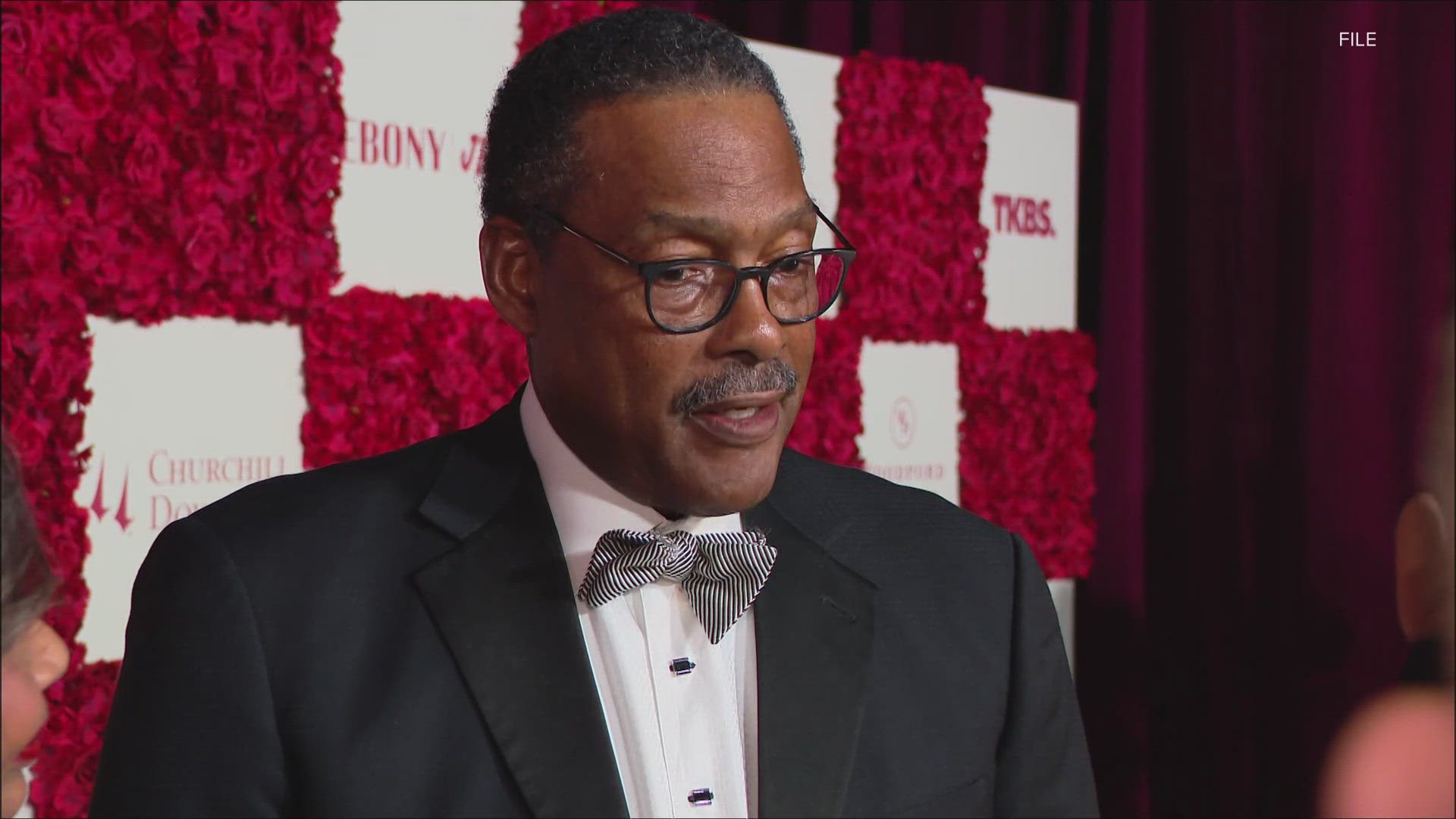
Junior Bridgeman ranks fifth on the financial leaderboard with $1.5 billion. Despite playing 12 seasons in the NBA with modest contract earnings, Bridgeman mastered the fast-food franchise business model.
He systematically acquired and operated over 240 Wendy’s and Chili’s restaurant locations before reinvesting his capital into Heartland Coca-Cola Bottling Company and major magazine publishing assets.
Tiger Woods stands at rank six, maintaining a net worth of $1.3 billion. Golf’s first active billionaire accumulated over $1.8 billion in total prize money and corporate endorsements throughout his career.
His long-standing 27-year signature partnership with Nike served as his core anchor, while his current financial expansion includes golf course architecture firms, luxury hospitality ventures, and the tech-infused TGL golf league.
How Are Football Titans and Family Dynasties Shaping the Billionaire Ranks?

Cristiano Ronaldo commands the seventh position with a valuation of $1.2 billion, maintaining his status as the world’s highest-earning active football star.
His wealth profile combines record-setting contract wages at Manchester United, Real Madrid, Juventus, and Al-Nassr with an expansive personal commercial ecosystem. His CR7 hotel chain, lifestyle clothing lines, and lifetime Nike endorsement contract ensure continuous capital inflows.
Lionel Messi ranks eighth with an estimated net worth of $1.0 billion, securing his spot among global billionaire athletes. Messi’s financial engine was cultivated over nearly two decades of record salary allocations at FC Barcelona, complemented by his ground-breaking deal with Inter Miami CF in MLS.
His contract model integrates direct revenue-sharing arrangements with Apple TV and Adidas alongside his lifetime apparel partnership.
Anna Kasprzak takes the ninth spot with $1.0 billion, bringing a distinct lineage to the sports wealth list. The Danish Olympic dressage rider has competed at the highest international levels of equestrian sport while maintaining major private assets.
Her billionaire standing stems from shared family ownership of ECCO, the global Danish footwear manufacturing giant that distributes products across more than 90 countries worldwide.
What Explains the $850 Million Tie Between LeBron James and Roger Federer?
The tenth and eleventh positions on the 2026 wealth list feature an impressive tie between basketball superstar LeBron James and tennis legend Roger Federer, each holding an estimated net worth of $850 million.
While operating in completely different athletic arenas, both figures executed identical playbooks by exchanging pure endorsement checks for substantial equity ownership in scalable businesses.
LeBron James achieved his financial position by exceeding $500 million in career NBA playing salaries alone. Beyond court wages, James constructed The SpringHill Company – a Hollywood production and media banner – while securing strategic equity stakes in Blaze Pizza and Fenway Sports Group, which provides him partial ownership of Liverpool FC and the Boston Red Sox.
Roger Federer matches James’ $850 million valuation despite retiring from competitive ATP Tour play. Federer earned over $130 million in official tournament prize money, but his true wealth builder came via commercial vision.

Highlights include his historic $300 million Uniqlo apparel contract, long-standing deals with Rolex, and an early equity acquisition in fast-growing Swiss footwear brand On Running, which generated immense capital returns following its public stock listing.
| Metric / Wealth Driver | LeBron James (Basketball) | Roger Federer (Tennis) |
|---|---|---|
| Estimated Net Worth | $850 Million | $850 Million |
| Career On-Field Earnings | $500M+ (NBA Salary) | $130M+ (ATP Prize Money) |
| Primary Anchor Deal | Lifetime Nike Partnership | $300M 10-Year Uniqlo Deal |
| Key Equity Investment | Fenway Sports Group / SpringHill | On Running Footwear Equity Stake |
How Does Global Athlete Financial Growth Impact Kenyan Fans and Local Sports Finance Culture?
The meteoric rise of billionaire athletes offers deep strategic lessons for sports fans, local investors, and rising athletic talent across Kenya.
In East Africa, football supporters passionate about the Premier League and domestic stars closely observe how global figures turn performance into scalable enterprise holdings.
Communities in Nairobi, Eldoret, and Mombasa actively engage on social media regarding how athlete financial portfolios shape global sports culture.
Kenyan athletic icons in distance running and regional football increasingly adopt modern investment principles modeled by global figures like Junior Bridgeman and Magic Johnson.
Rather than relying exclusively on prize purse totals or short-term sponsorship paychecks, Kenyan sports figures are expanding into commercial farming, urban real estate, training academies, and local consumer brands. This cultural shift elevates overall economic literacy across local sports management agencies.
Local fans viewing high-profile matches at community hubs frequently discuss the corporate movements of stars like Lionel Messi and Cristiano Ronaldo.
Understanding how revenue sharing, broadcast rights, and brand equity operate encourages younger generations to view professional sports as a business ecosystem.
What Financial Trends Will Define the Richest Athletes in the World 2026 and Beyond?
Analyzing the balance sheets of the richest athletes in the world 2026 reveals clear trends driving future sports business creation.
The historical strategy of relying on contract base salary has been replaced by equity-driven venture partnerships. Athletes now demand ownership stakes, revenue-sharing cuts, and board representation before committing to long-term promotional campaigns.
Advanced sports analytics and player valuation models show that athlete wealth will compound at faster rates over the next five years.
Streaming platform wars and institutional private equity firms buying into professional sports leagues drive franchise valuations higher. As a result, active players positioned with equity options will surpass traditional financial milestones much faster than previous generations.
According to the SportsLeo Forecast Model, at least two more active superstars are projected to surpass the $1 billion net worth barrier before 2028. Driven by Saudi Pro League salary packages, expanding tech venture funds, and direct ownership options in expanding leagues, the modern elite athlete functions as a global corporation.
Summary of Key Findings
- Michael Jordan remains firmly at Rank 1 among the richest athletes in the world 2026 with a valuation of $3.6 billion.
- Nine athletes on this official financial ranking have achieved complete billionaire status, with cutoff figures starting at $1.0 billion.
- The list highlights non-traditional sports pathways, evidenced by dressage rider Anna Kasprzak holding $1.0 billion through ECCO footwear heritage.
- LeBron James and Roger Federer illustrate the power of early brand equity investments, locking in a tie at Rank 10 with $850 million each.
Frequently Asked Questions (FAQs)
Who is the richest athlete in the world in 2026?
Michael Jordan is the richest athlete in the world in 2026 with an estimated net worth of $3.6 billion.
How many billionaire athletes are there in 2026?
There are currently nine sports figures on the Celebrity Net Worth top rankings who have achieved billionaire status, ranging from Michael Jordan ($3.6B) down to Lionel Messi ($1.0B) and Anna Kasprzak ($1.0B).
What is LeBron James’ net worth in 2026?
LeBron James holds an estimated net worth of $850 million in 2026. His wealth comprises over $500 million in career NBA salary, his lifetime Nike deal, and equity stakes in The SpringHill Company, Blaze Pizza, and Fenway Sports Group.
How did Junior Bridgeman become a billionaire after playing in the NBA?
Junior Bridgeman built his $1.5 billion fortune after his NBA career by investing heavily in fast-food franchises.