










- Economic Reality: Competitive gaming is evolving into a viable financial path for skilled Kenyans, as evidenced by recent tournament prize pools.
- Tournament Impact: Top players like Jeremiah Shaq Mulinge are securing significant capital through high-stakes regional and international victory runs.
- Career Diversity: Beyond professional play, the local ecosystem is expanding to include professional officiating and administrative roles.
Table of Contents
The landscape of professional gaming is undergoing a fundamental shift, forcing observers to acknowledge that pursuing esports as a career in Kenya is no longer a distant fantasy.
When Jeremiah Mulinge, alias Shaq, recently walked away with a $3,000 payday at the Africa FC Showdown in Nairobi, he signaled a changing economic tide for the local gaming scene.
This influx of capital demonstrates that top-tier talent can generate sustainable income streams far beyond casual hobbyism.
The Money Is Real: From Nairobi Showdowns to International Trophies
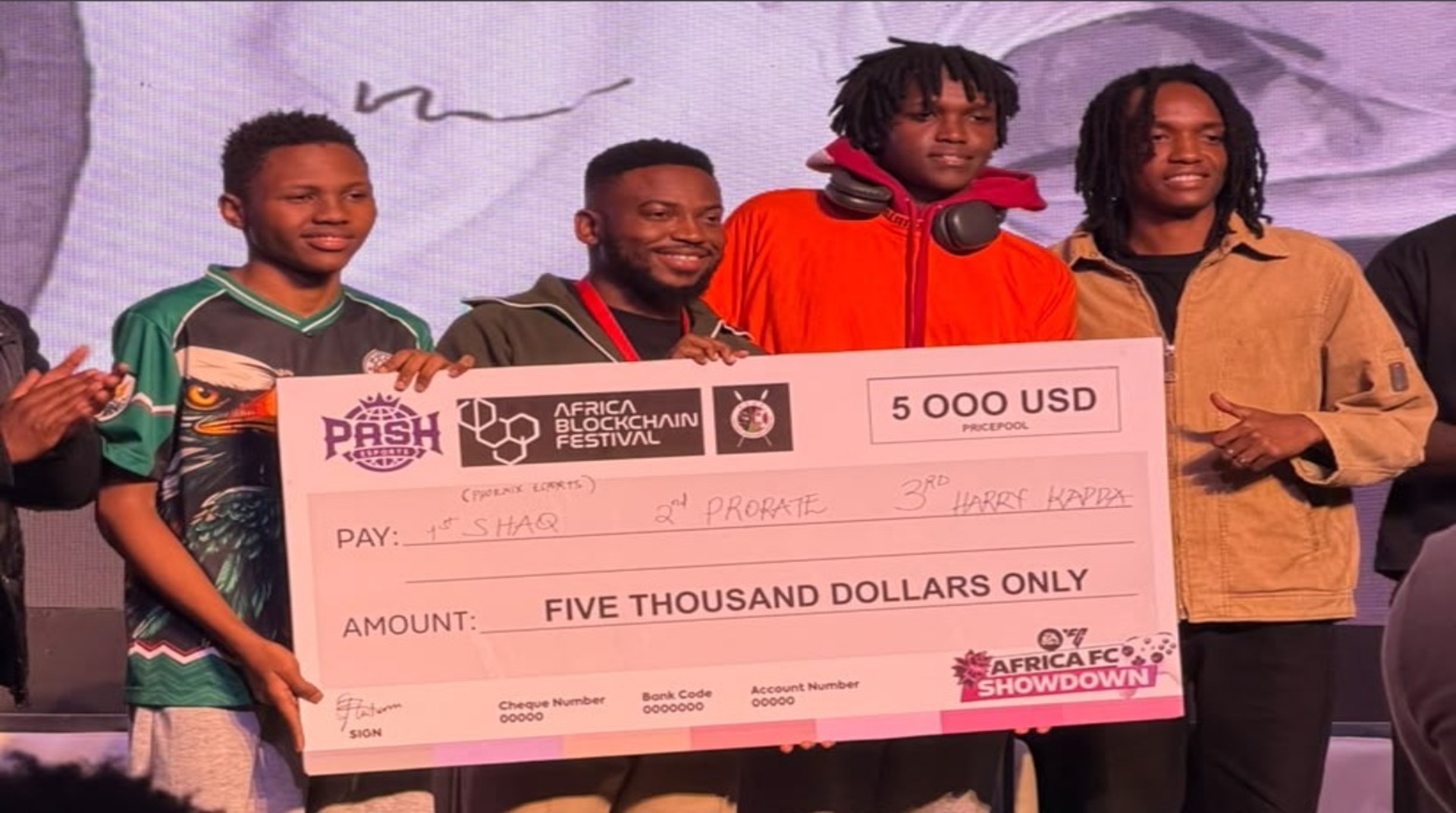
The Africa FC Showdown stands as the definitive marker of how far the local scene has progressed. Shaq claimed the top prize of $3,000, roughly 390,000 Kenyan Shillings, after a dominant performance that saw him defeat Prorate in the finals.
Prorate, despite the defeat, secured a respectable $1,250, while Harry Kappa rounded out the podium with $750.
ALSO READ: PSG vs Barcelona 4–2: Late Vitinha and Ruiz Strikes End Catalans’ Unbeaten Streak
This payout structure reflects an maturing market that rewards excellence with tangible financial incentives. These figures are not outliers; they build upon a precedent set by historical events like the Betika Esports Showdown, where Mcoasty and Harry Kappa walked away with significant portions of a 500,000 Shilling prize pool.
These events provide the liquidity needed for players to upgrade their hardware and dedicate more time to their craft.
The success of Kenyan gamers has crossed borders, proving the talent level can compete on the continent. Shaq and Prorate cemented their reputations during an unbeaten campaign in Lagos, Nigeria, at the CADE Esports Rivalry Series Season 2.
By capturing international titles, they have proven that the Kenyan flag can fly high in regional circuits, attracting more eyes to the potential of local talent.
Smaller Tournaments and Grinding Weekly Payouts in Esports as a Career in Kenya
While headline events grab the attention, the foundation of a professional lifestyle is built on consistent, smaller-scale competition.
The Africa Ultimate Series hosts weekly online tournaments with prize pools hitting 10,000 Shillings, providing a reliable training ground for those taking esports as a career in Kenya seriously. These frequent low-stakes engagements help players maintain peak performance levels.
ALSO READ: Nottm Forest vs Arsenal 0-1: Madueke Strike Keeps Gunners Three Points Off Top
The Ultimate Controller League serves as another essential pillar for the local grind. During recent clashes, Prorate demonstrated his tactical dominance by defeating Jesse to secure a 20,000 Shilling payout.
These matches are critical for player development, as they allow for the testing of new strategies in a competitive environment without the extreme pressure of major finals.
Players often balance these weekly commitments with their academic or professional lives, treating gaming as a specialized secondary income.
ALSO READ: Brentford vs Liverpool 1–2: Isak Volley and Red Card Chaos Complete Red Comeback
By treating each match as a data point for improvement, these individuals refine their decision-making processes. This iterative approach to performance tracking ensures that when the larger, high-stakes events arrive, they are well-prepared to secure the bag.
Team Contracts, Sponsorships, and Professional Pathways
The transition from a solo grinder to a team-signed athlete marks the next stage of professional maturity. Organizations like Homeboyz Esports have paved the way by signing talent like Lord7, Lil Pip, and Masha to official rosters.
This structure provides players with institutional support, potentially offering salaries, travel stipends, and branding opportunities.
Signings are increasingly based on open qualifier performance rather than mere popularity. This meritocratic shift means that talent must be backed by consistent tournament results.
When an organization like Homeboyz brings on a player, they are betting on the player’s ability to maintain high-intensity sprint frequencies and consistent performance metrics during high-pressure matches.
The partnership between gaming entities and corporate sponsors is vital. As brands see the engagement metrics associated with these tournaments, they are more willing to sponsor the teams that win them.
This cycle of investment is what will eventually lift the ceiling for professional earnings in the region, turning gaming into a full-time, professionalized career path.
Beyond the Controller: Non-Player Opportunities in Esports as a Career in Kenya
A thriving ecosystem requires more than just skilled players. Many are discovering that pursuing esports as a career in Kenya involves diverse roles that sustain the industry.
Professional officiating is a prime example of this growth, as seen with Kevin Wambua, who earned a global assignment as a referee at EVO in France, as per East Gamers News.
Broadcasting, shout-casting, and technical production are also areas where technical knowledge translates into income.
As local tournaments grow in production value, the demand for competent analysts and broadcast journalists rises. These roles provide a stable career trajectory for those who possess deep game knowledge but might not have the mechanical speed required for professional play.
Gaming journalism is another front where content creation serves the community. By documenting the progress of players like Shaq or reporting on the latest tournament standings, journalists help grow the sport. This information-heavy role is vital for attracting new fans, potential sponsors, and future talent to the ecosystem.
Real Challenges on the Road to Professional Gaming
The path forward is not without significant obstacles. Infrastructure remains a primary barrier, with high hardware costs and unreliable electricity often disrupting the training regimens of aspiring pros.
When a player cannot guarantee a stable connection or power, they struggle to compete with global peers who enjoy consistent utility performance.
Education often conflicts with the time required to practice at a professional level. Many players must navigate the delicate balance of academic success while chasing competitive dreams.
Without a clear path to professional stability, many high-potential individuals face the difficult decision to abandon gaming for traditional career paths.
The future of esports as a career in Kenya depends on the institutionalization of the sport. We need improved internet stability and increased access to high-end hardware for lower-tier players to bridge the gap.
Addressing these infrastructural hurdles is mandatory if the industry hopes to maintain its current momentum and expand the definition of what is possible for a professional gamer.
The SportsLeo forecast for the next 6-12 months suggests a massive uptick in localized corporate tournaments. We expect to see more partnerships between telecom providers and gaming organizations, which will likely subsidize the cost of hardware for the next generation of players.
If these projections hold, we are looking at a significantly more robust ecosystem by the end of 2027.
On-the-Ground Perspective: Walking through the community hubs where these players train, the energy is palpable. You see the pride in the faces of young fans who now have local idols to look up to, names like Shaq and Prorate resonating in the same way European football legends do.
Social media feeds are no longer just sharing highlights from the English Premier League; they are flooded with clips of local victories and tense final-minute goals from Nairobi-based tournaments.
This cultural shift is changing how parents and community leaders view gaming. While skepticism persists, the tangible rewards – the prize checks and the international travel opportunities – are starting to win hearts.
The atmosphere at live events is becoming electric, with fans packing venues to witness the same competitive intensity usually reserved for the pitch. It is clear that for the youth of Kenya, the digital stadium is the new home of sporting excellence.
People Also Ask
What is the average earning for a top-tier esports player in Kenya?
Top players can earn anywhere from 10,000 to over 400,000 Shillings per event depending on the tournament tier and their placement, though consistent annual income remains dependent on sponsorship and regular event participation.
How do I start a professional gaming career in Kenya?
Start by competing in local weekly tournaments such as the Africa Ultimate Series or Ultimate Controller League.
What are the biggest challenges for Kenyan esports gamers?
The primary hurdles are high hardware procurement costs, unreliable power supply, and inconsistent internet connectivity, all of which impede consistent practice and performance.
Are there non-playing career paths in Kenyan esports?
Yes, opportunities are expanding into professional refereeing, broadcasting, event management, and gaming journalism, as demonstrated by Kenyans securing international officiating roles at events like EVO.
How can I get signed by a team?
Teams typically scout talent from open qualifiers and high-performance showings in major tournaments. Focus on consistent, data-backed results to attract the attention of established organizations.