




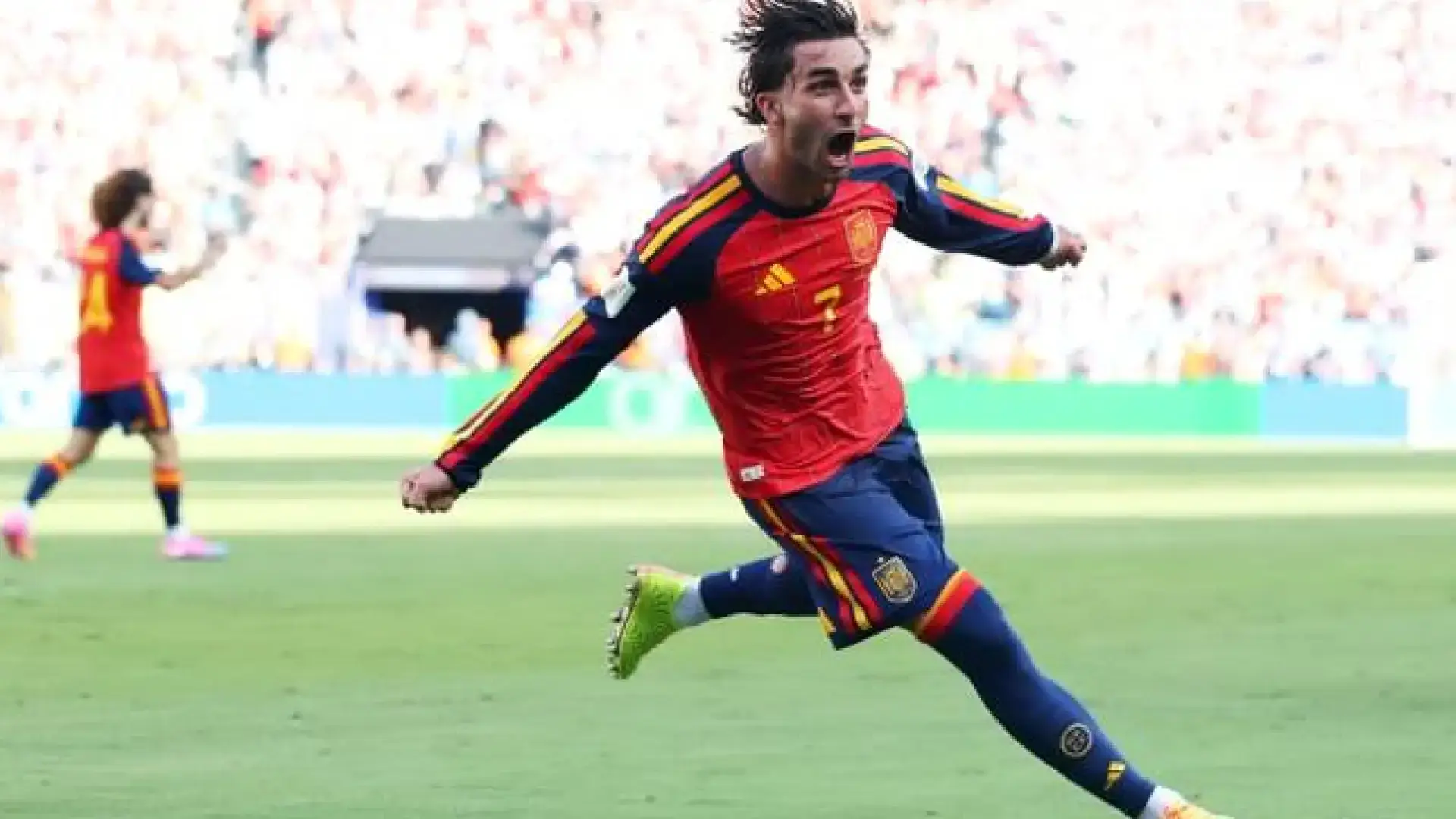

- The Result: Morocco secured a 1-0 victory over Scotland in Group C of the 2026 FIFA World Cup, thanks to a historic goal by Ismael Saibari just 71 seconds into the match.
- Tactical Dominance: Walid Regragui’s side controlled 60% of the ball and completed 610 passes with a 91% accuracy rate, while Scotland failed to register a single shot on target.
- Group Standings: With 4 points, Morocco is on the verge of the Round of 32, while Scotland (3 points) faces a daunting must-win clash against Brazil.
The 2026 FIFA World Cup just witnessed a tactical strangulation. In a high-stakes clash in Boston, the Scotland vs Morocco encounter proved that the Atlas Lions have no intention of relinquishing their status as global football heavyweights. It took just over a minute for the North African giants to silence the Tartan Army and remind the world why they remain the gold standard for African football.
Table of Contents
What Happened in the Opening Seconds of Scotland vs Morocco?
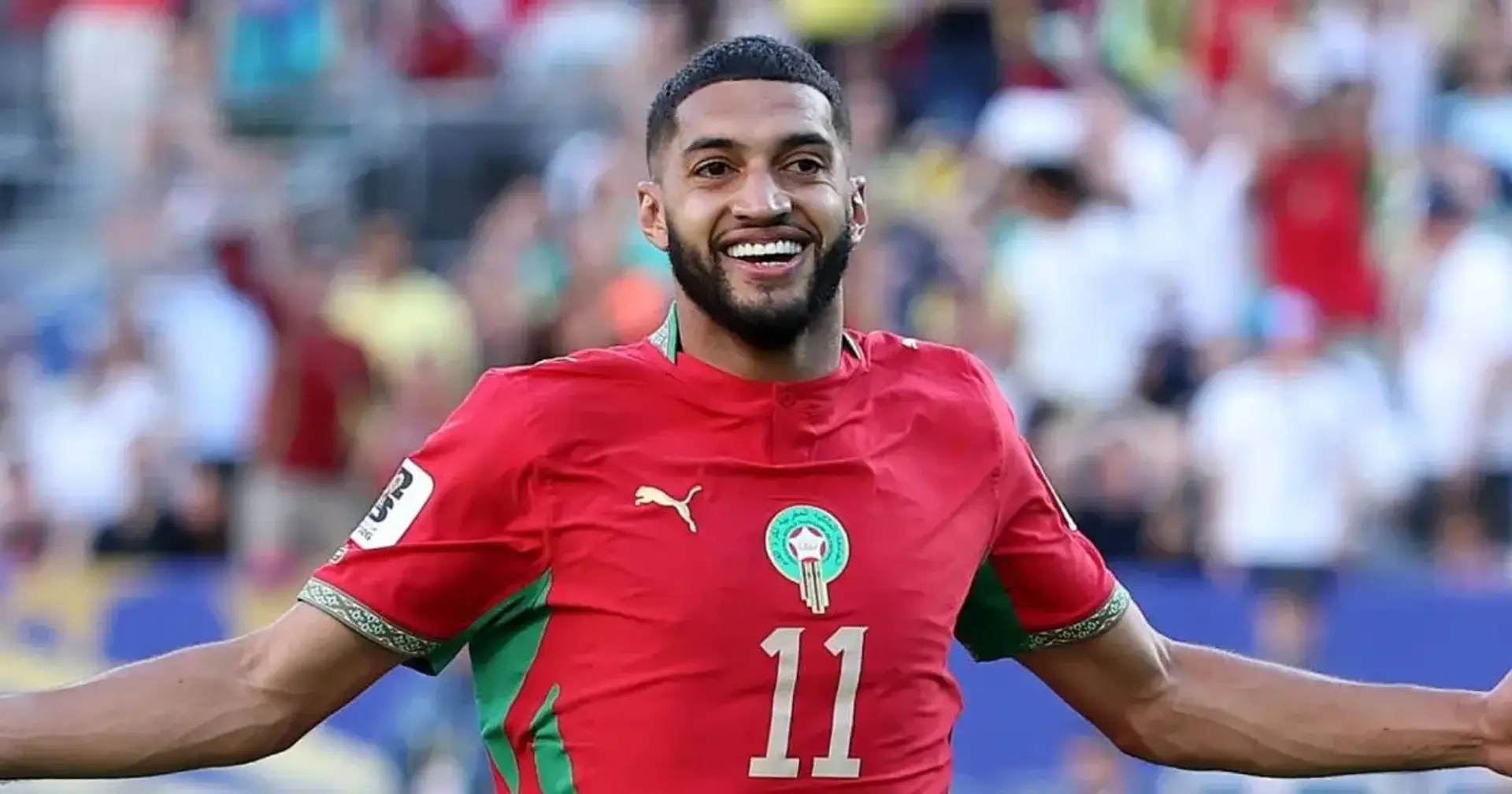
Football is often a game of patience, but Morocco chose violence from the first whistle. Before many fans in the 64,146-capacity Boston Stadium had even found their seats, the net was bulging. The clock showed exactly 71 seconds when Ismael Saibari etched his name into the history books.
The move was a thing of pure aesthetic beauty. Real Madrid’s Brahim Díaz, operating in a pocket of space that Scotland’s midfield failed to plug, looked up and saw a run. He lofted a perfectly weighted ball over the top of a static Scottish backline. Grant Hanley was caught flat-footed, ball-watching as Saibari exploded past him with frightening acceleration.
With the composure of a seasoned assassin, Saibari took one touch to settle and then rifled a thunderous strike past Angus Gunn. The ball hit the roof of the net with such force it seemed to vibrate the entire stadium. This wasn’t just a goal; it was a statement. At 71 seconds, it stands as the fastest goal of the 2026 World Cup so far.
How Did Walid Regragui Out-Tactics Steve Clarke?
Steve Clarke opted for a conservative 3-5-2, hoping to absorb pressure and hit Morocco on the break through the industrious running of Scott McTominay and Ché Adams. It was a plan that looked solid on paper but crumbled under the weight of Morocco’s technical superiority. The Atlas Lions didn’t just have the ball; they owned it.
Walid Regragui deployed a 4-2-3-1 that transitioned into a 2-4-4 when in possession. With Achraf Hakimi and Noussair Mazraoui pushing high into the half-spaces, Scotland’s wing-backs, Andrew Robertson and Nathan Patterson, were pinned deep. They were forced to defend for 90 minutes, stripped of their ability to provide the overlapping runs that Scotland relies on for service.
The numbers from StatsPerform paint a picture of total control. Morocco completed 610 passes. Even more impressively, they maintained a 91% completion rate under the humid conditions of a Massachusetts night. Scotland was forced to chase shadows, suffering from a lack of ball retention that saw their Expected Goals (xG) plummet to a dismal 0.18.
What Caused the Penalty Controversy During Scotland vs Morocco?
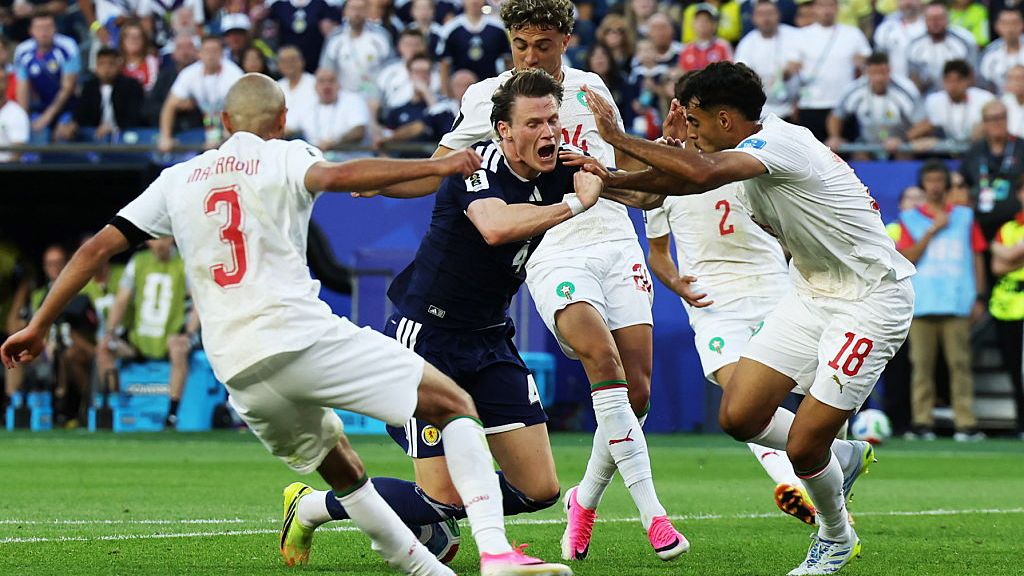
While Morocco dominated the ball, Scotland will feel they were robbed of a chance to fight back. The game was marred by two massive penalty appeals that were waved away, leaving the Scottish dugout in a state of absolute fury. The first incident involved John McGinn, who went down under a clumsy challenge from Neil El Aynaoui.
To the naked eye, it looked like a clear trip. However, the referee remained unmoved, and the VAR check was surprisingly brief. The second incident was even more chaotic. Scott McTominay, surging into the box in the final ten minutes, appeared to be sandwiched by three Moroccan defenders. He hit the turf hard, but again, the whistle remained silent.
These moments defined the tension of Scotland vs Morocco. If either of those calls had gone the other way, we might be talking about a different result. Instead, Scotland left the pitch with nothing but a sense of injustice and zero shots on target. It is rare to see a team at this level fail to test the keeper once in 90 minutes, but Morocco’s “Dark Arts” of defending were in full effect.
How Did the Atlas Lions Maintain Defensive Perfection?
The Moroccan defense is a fortress built on discipline and physical presence. Issa Diop and Chadi Riad were immovable objects at the heart of the backline. They dealt with Scotland’s aerial threat with ease, winning 80% of their defensive duels. Even when Scotland did manage to get a cross into the box, Yassine Bounou commanded his area like a general.
But the real work was done in the midfield. Neil El Aynaoui and the teenage sensation Ayyoub Bouaddi provided a screen that Scotland simply could not penetrate. They stifled Ryan Christie and Lewis Ferguson, cutting off the supply lines to the Scottish strikers. This was a masterclass in the mid-block, a tactic that Regragui has perfected since the 2022 World Cup.
Morocco almost doubled their lead twice. Saibari was inches away from a second when his deflected effort rattled the crossbar early in the second half. Later, Angus Gunn had to produce a world-class reflex save to stop Bilal El Khannouss from heading home a pinpoint Achraf Hakimi corner. The 1-0 scoreline actually flattered the Scottish side.
| Metric | Scotland | Morocco |
|---|---|---|
| Possession | 40% | 60% |
| Total Passes | 382 | 610 |
| Pass Accuracy | 78% | 91% |
| Shots on Target | 0 | 5 |
| Yellow Cards | 1 (Robertson) | 1 (Diop) |
What Does This Victory Mean for African Football Dominance?
This wasn’t just a win for Morocco; it was a win for a continent. For too long, African teams were labeled as “mercurial” or “unpredictable.” Morocco has shattered that stereotype. They play with a level of tactical sophistication that rivals any European powerhouse. The Atlas Lions have shown that their historic semifinal run in Qatar was no fluke.
Under Regragui, Morocco has become a winning machine. They understand the “ugly” side of the game—how to time-waste effectively, how to draw fouls, and how to frustrate an opponent until they crumble. This victory keeps African football at the absolute apex of world headlines. With 4 points in Group C, Morocco has effectively secured a spot in the Round of 32, joining the world’s elite.
The ripple effect of this performance will be felt across the continent. As we analyze the current strength of African teams at the World Cup, Morocco stands out as the leader. They have provided the blueprint: technical excellence combined with physical resilience. They didn’t just beat Scotland; they dismantled their identity.
The Local Angle: Why This Win Resonates in Africa
In the sports bars of Nairobi, the cafes of Casablanca, and the streets of Lagos, the Moroccan victory was celebrated as a shared triumph. African fans have long sought a team that can consistently compete with the UEFA and CONMEBOL giants without relying on luck. Morocco is that team. They didn’t “get lucky” against Scotland; they outclassed them in every department.
The atmosphere in Boston was electric, fueled by a massive Moroccan diaspora that turned the Gillette Stadium into a sea of red and green. This support is the heartbeat of the team. For African fans, seeing a player like Ismael Saibari—a product of the Moroccan talent pipeline—dominating on the world stage is a source of immense pride. It proves that the investment in academies and infrastructure is paying off.
Social media has been ablaze with praise for Regragui’s tactical flexibility. While other teams struggle with the pressure of the 2026 format, Morocco looks like they are enjoying the ride. They are playing for more than just a trophy; they are playing for the respect of a global audience that has often overlooked African tactical depth.
SportsLeo Forecast: Can Morocco Repeat the 2022 Miracle?
Looking ahead, the SportsLeo predictive model suggests Morocco is a genuine threat for another deep run. Their defensive metrics are currently the best in Group C. If they can avoid injuries to key players like Hakimi and Díaz, there is no reason they cannot reach the quarter-finals or beyond. Their ability to shut down high-pressing teams like Scotland is a vital asset in tournament football.
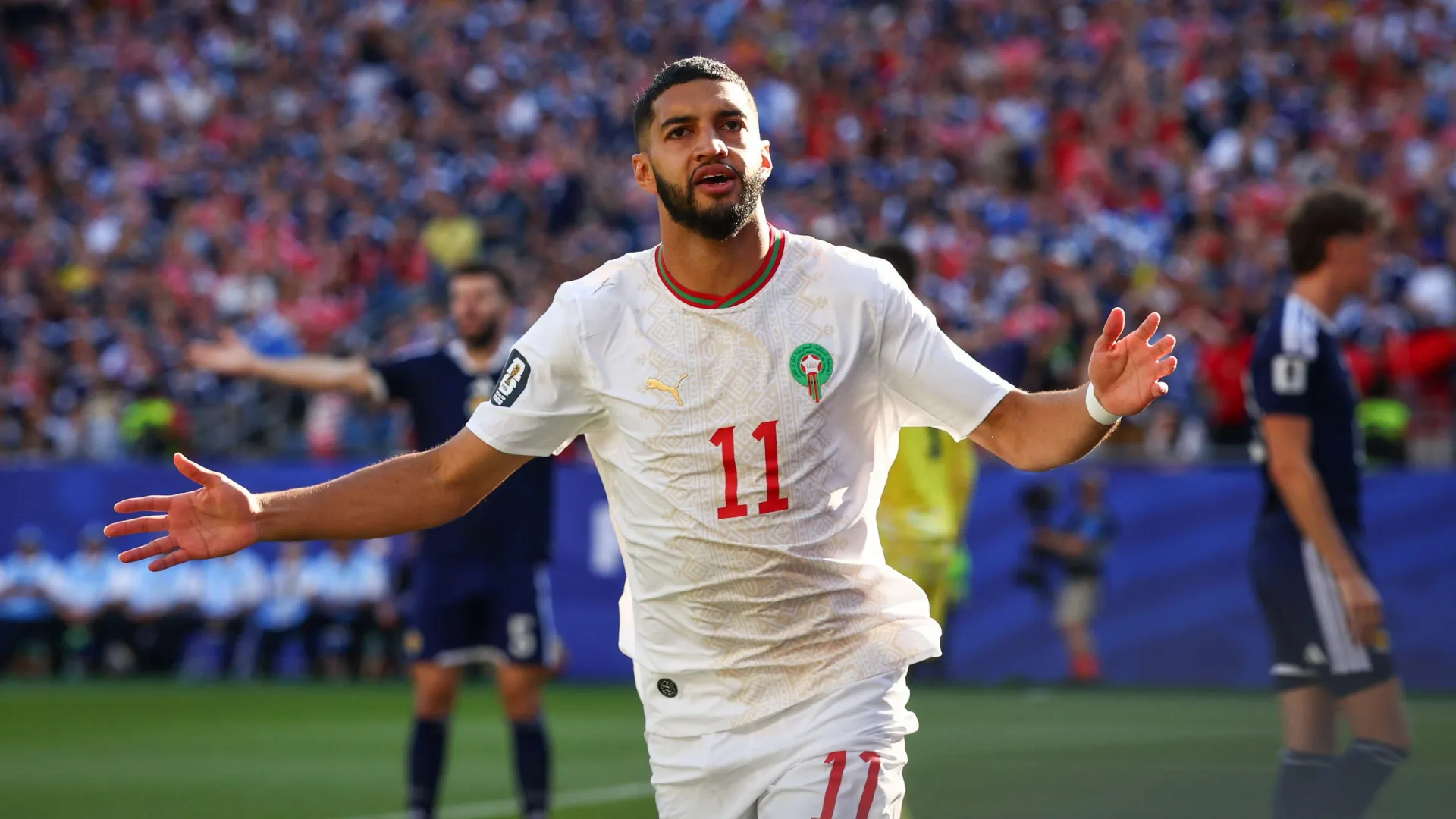
For Scotland, the situation is grim. They must now beat Brazil—a feat they have never achieved in a competitive match—to keep their World Cup dreams alive.
According to official data from FIFA, Morocco’s player efficiency ratings have climbed by 12% since the tournament began. They are a team in peak physical condition, peaking at exactly the right time. Africa is watching, and the world is starting to worry.
Frequently Asked Questions about Scotland vs Morocco
Who scored the winning goal in the Scotland vs Morocco 2026 World Cup match?
Ismael Saibari scored the decisive goal for Morocco after just 71 seconds, assisted by Brahim Díaz.
Did Ismael Saibari set a World Cup record?
Yes, his goal at 71 seconds stands as the fastest goal scored at the 2026 FIFA World Cup so far. He also became the first Moroccan player ever to score in consecutive World Cup matches.
Did Scotland have penalty claims denied during the match?
Yes, Scotland had two major penalty shouts turned away by the referee following challenges on John McGinn and Scott McTominay.
How many shots on target did Scotland get against Morocco?
Scotland failed to register a single shot on target during the entire 90 minutes against a resolute Moroccan defense.