

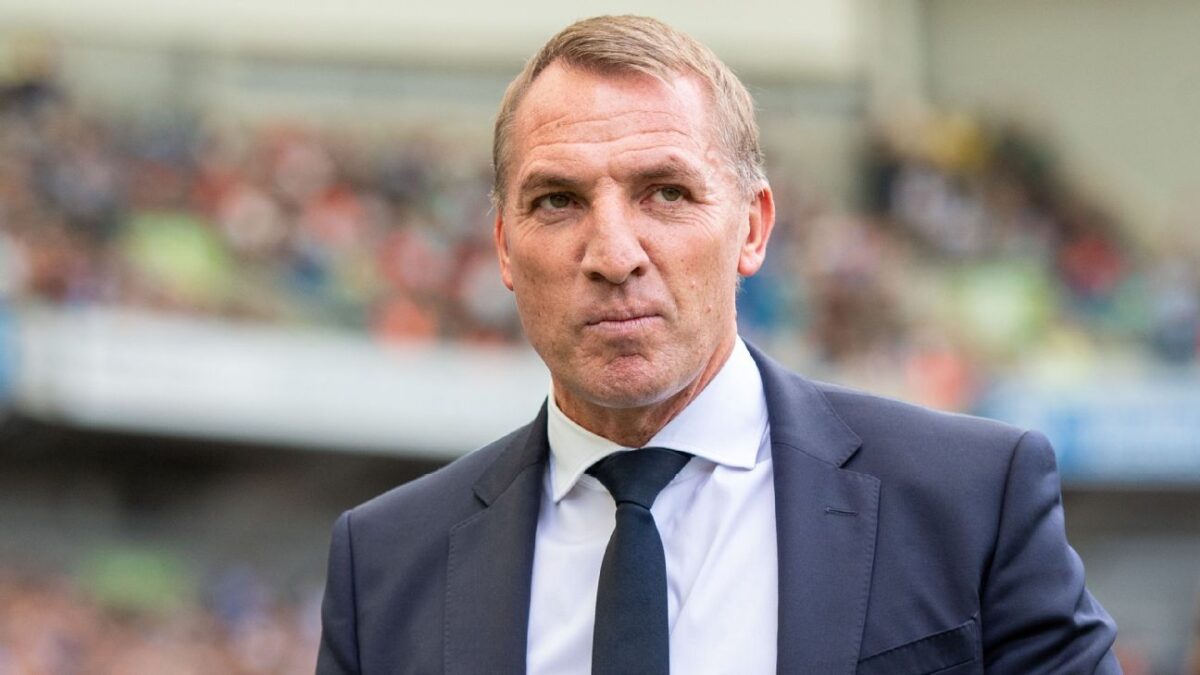
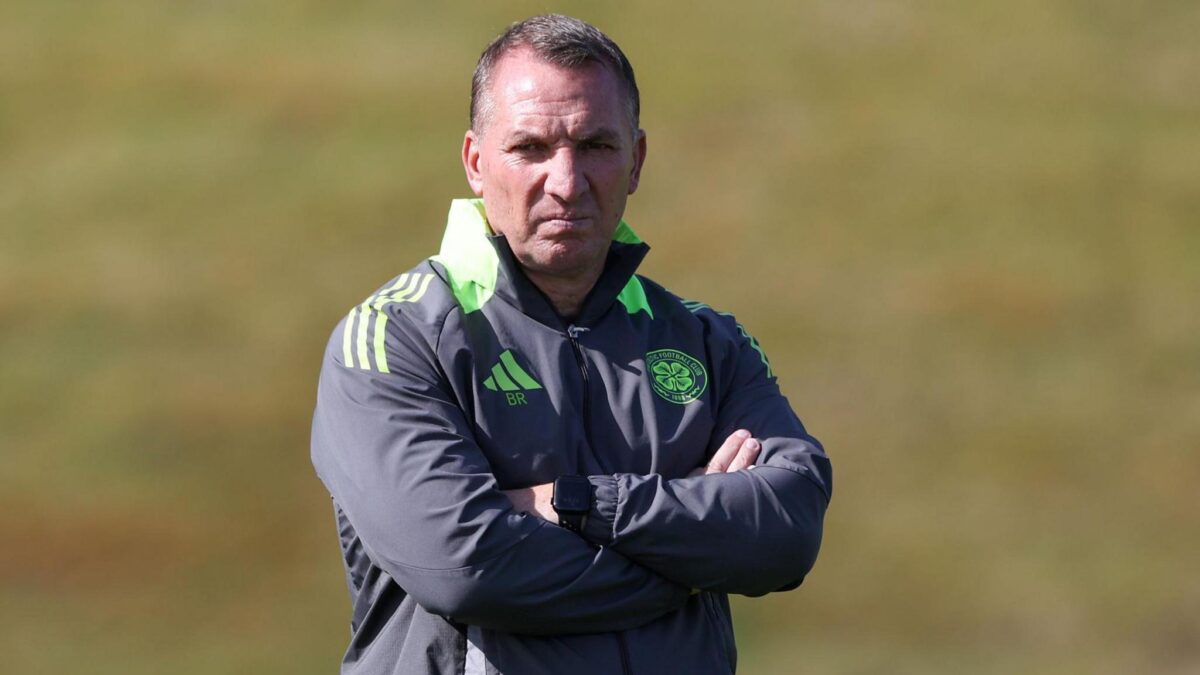
- Brendan Rodgers resigns as Celtic manager after a rough start to the football season, ending his second term in charge of the Scottish champions in an unexpected way
- Rodgers was expected to start another era of domestic dominance when he returned to Glasgow in 2023 for his second stint at the club
Brendan Rodgers resigns as Celtic manager after a rough start to the football season, ending his second term in charge of the Scottish champions in an unexpected way. On Monday evening, Celtic confirmed the news that Martin O’Neill, who used to be their manager, would be the team’s interim manager until the end of the season.
A Quick and Unexpected Exit
Scottish football was shocked with the news Brendan Rodgers resigns as Celtic manager. Rodgers was expected to start another era of domestic dominance when he returned to Glasgow in 2023 for his second stint at the club. But it looks like he left because of a string of poor performances, tensions in the dressing room, and rising pressure from fans.
Club sources say that the 51-year-old resigned after meeting with the Celtic board. The club’s official statement said, “Celtic Football Club can confirm that football manager Brendan Rodgers has today tendered his resignation. It has been accepted by the Club and Brendan will leave his role with immediate effect. The Club appreciates Brendan’s contribution to Celtic during his two very successful periods at the Club.”
The End of a Difficult Second Spell
When Brendan Rodgers resigns as Celtic manager, it marks the end of a chapter that began with huge optimism. Rodgers left Celtic in 2019 to coach Leicester City in the Premier League.
This upset some Celtic fans at first. When he came back four years later, people saw it as a chance to make things right—an opportunity to rebuild his reputation and reconnect with fans.
But this second term never quite had the same magic as the first. Celtic was still competitive, but they had trouble being consistent in both domestic and European games. A string of disappointing draws and close losses put the club behind Rangers in the Scottish Premiership, and being knocked out of European competition made fans even more unhappy.
The news that Brendan Rodgers resigns as Celtic manager therefore feels both shocking and inevitable — a dramatic yet predictable conclusion to months of mounting tension.
Martin O’Neill Takes Over as Interim Manager
Celtic also said in the same statement that Martin O’Neill, the club’s legendary former manager, will come back on a temporary basis.
O’Neill, who is now 72, led Celtic to five major trophies between 2000 and 2005. He is still one of the most respected people in the club’s modern history.
His hiring adds a nostalgic twist to the story as it unfolds. O’Neill’s return brings back memories of European nights at Parkhead, domestic trebles, and a Celtic identity based on attacking football and unity.
Celtic said, “We are pleased that during this interim period former Celtic manager, Martin O’Neill and former Celtic player, Shaun Maloney have agreed to take charge of Celtic first-team matters. Further details will be confirmed shortly.”
As Brendan Rodgers resigns as Celtic manager, O’Neill’s return offers a sense of stability — a familiar voice at a time when the club faces uncertainty.
Drop in form and stress in the dressing room
Celtic’s recent play had been worrisome. The team only won one of their last five league games, and they lost to Hearts 3–2, which hurt them and put them four points behind their city rivals. Sources close to the club say that the players’ morale had dropped and that communication between Rodgers and a few of the older players had become tense.
When Brendan Rodgers resigns as Celtic manager, it’s not just a reaction to poor results — it’s also a reflection of growing disconnect inside the dressing room. Some players are privately questioning Rodgers’ rotation policy and game management, and reports say there are disagreements over how hard to train and what tactics to use.
Celtic’s games in Europe also cost them a lot. The club’s fans have been frustrated for a long time that they haven’t made any progress on the continental stage, as shown by their early exits from both the UEFA Champions League qualifiers and the Europa League group stage.
Fans’ Reactions: A Lot of Feelings and High Hopes
As news broke that Brendan Rodgers resigns as Celtic manager, social media erupted with mixed reactions. A lot of fans were upset that the partnership didn’t work out, but others were happy that the club could now go in a new direction.
Some fans praised Rodgers for being professional during a tough season, while others said the team had stalled because he was too rigid in his tactics and didn’t change them. Celtic fan groups asked for unity before the busy schedule of games, saying that the focus should now be on supporting the players and interim manager Martin O’Neill.
Even though there is a lot of disagreement, everyone wants Celtic to be the best team in Scotland and in Europe again.
The Celtic Board’s Problem
Rodgers’ departure is a big problem for Celtic’s board behind the scenes. O’Neill’s temporary appointment will keep things stable for now, but the club needs to choose a permanent replacement soon.
The choice to accept Rodgers’ resignation comes at a very important time: in the middle of the season, with important league games and the Scottish Cup still to play. Brendan Rodgers resigns as Celtic manager, and the team’s focus is now on finding a new coach who can boost morale, get the players excited again, and put in place a long-term footballing philosophy.
There have already been reports in Scotland linking possible candidates, such as Graham Potter, who used to be the manager of Brighton, John Kennedy, who is now an assistant at Celtic, and Scott Brown, who used to be the captain of the club and has since become a manager.
What Went Wrong for Rodgers
Brendan Rodgers didn’t quit as Celtic manager for one specific reason, but a mix of tactical problems, off-field issues, and rising expectations were all factors.
Rodgers’ team ruled Scottish football during his first term. They played attacking football that flowed and had a clear style. This second term, on the other hand, often felt more practical and reactive, less dynamic and more careful.
Injuries to important players like Kyogo Furuhashi and Callum McGregor made his plans even harder to carry out. People also said that the team’s summer transfer business wasn’t ambitious enough.
Rodgers himself said not long ago that Celtic were “in a transition phase,” but fans didn’t want to hear that after years of being the best team in the country. In the end, the standards he had set for himself were the same ones he couldn’t meet.
The Future with Martin O’Neill
With Brendan Rodgers stepping down as Celtic manager, all eyes are on Martin O’Neill. His job will be to stabilize the team and give them back their confidence. O’Neill’s deep knowledge of the club and its culture could be very helpful in the short term, especially since Celtic is trying to win the league title and get back on track.
Even though O’Neill’s job is only temporary, it brings back memories of his glory days when he led Celtic to the UEFA Cup Final in 2003 and won several league titles. The club may need exactly what he can give them right now: the ability to motivate players and get them excited.
O’Neill’s return is more than just a change in management for fans; it’s a way to reconnect with the club’s identity, which many fans thought had been lost in recent months.
Conclusion: The End of an Era and a New Beginning
The title Brendan Rodgers resigns as Celtic manager will be the biggest news in Scottish football for days to come. It marks the end of a story that promised to bring new life but instead brought frustration.
For Rodgers, this is just another chapter in a career that has been full of both great things and problems. Celtic has a chance to start over and remember the values that have made them successful for more than a hundred years.
The return of Martin O’Neill gives people hope, makes them feel nostalgic, and brings them together. But the challenge ahead is still big, even with all the feelings. Celtic needs to regain their confidence, improve their style of play, and prove once again that they are Scotland’s best football team.
As the dust settles on a dramatic week in Glasgow, one thing is clear: when Brendan Rodgers resigns as Celtic manager, the reverberations are felt far beyond Parkhead. Celtic stand once again at a crossroads — and the choices made in the coming weeks will shape the club’s future for years to come.