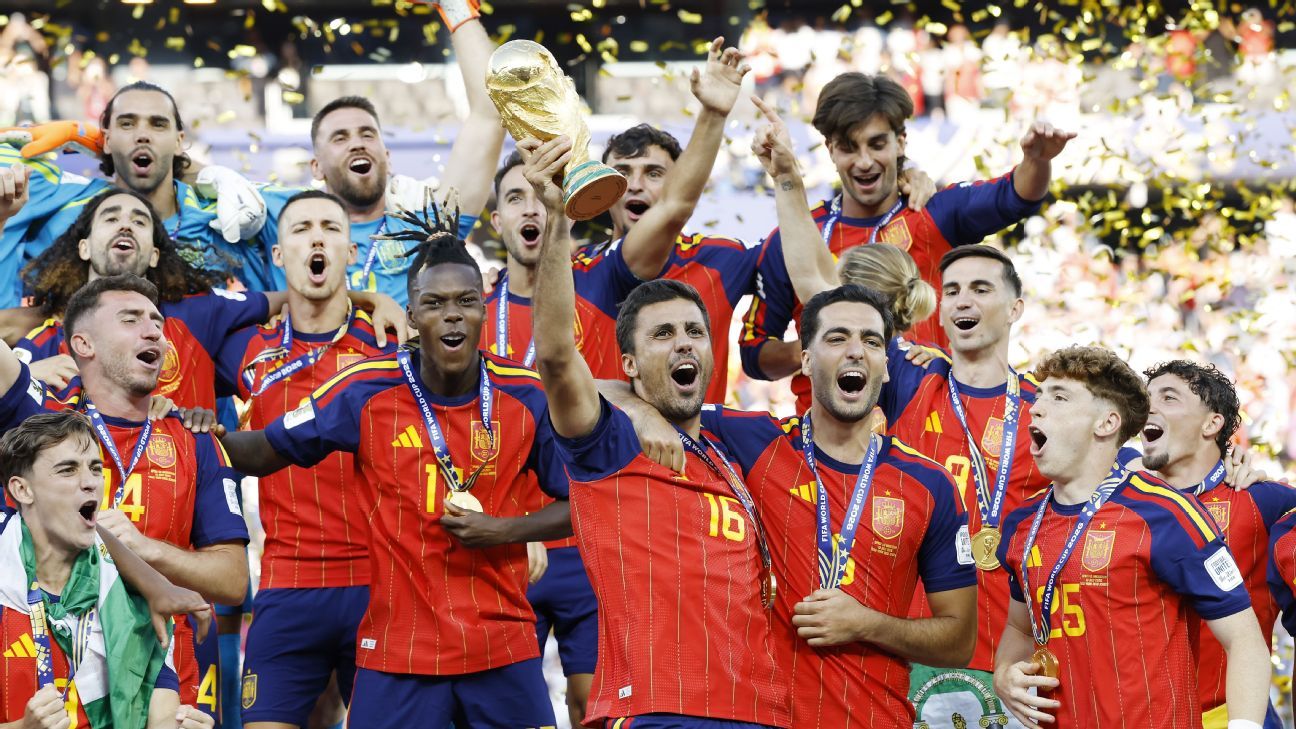
- Golden Ball (Best Player): Rodri (Spain) claimed the top individual honor after completing 648 passes throughout the tournament, including 101 in the final victory over Argentina.
- Golden Boot (Top Scorer): Kylian Mbappé (France) finished as the outright winner with 10 goals, becoming the all-time leading scorer in World Cup history with 22 total career goals.
- Spain’s Historic Double: Following their 1-0 extra-time win, Spain became the first nation to simultaneously hold both the Men’s and Women’s FIFA World Cup trophies.
Table of Contents
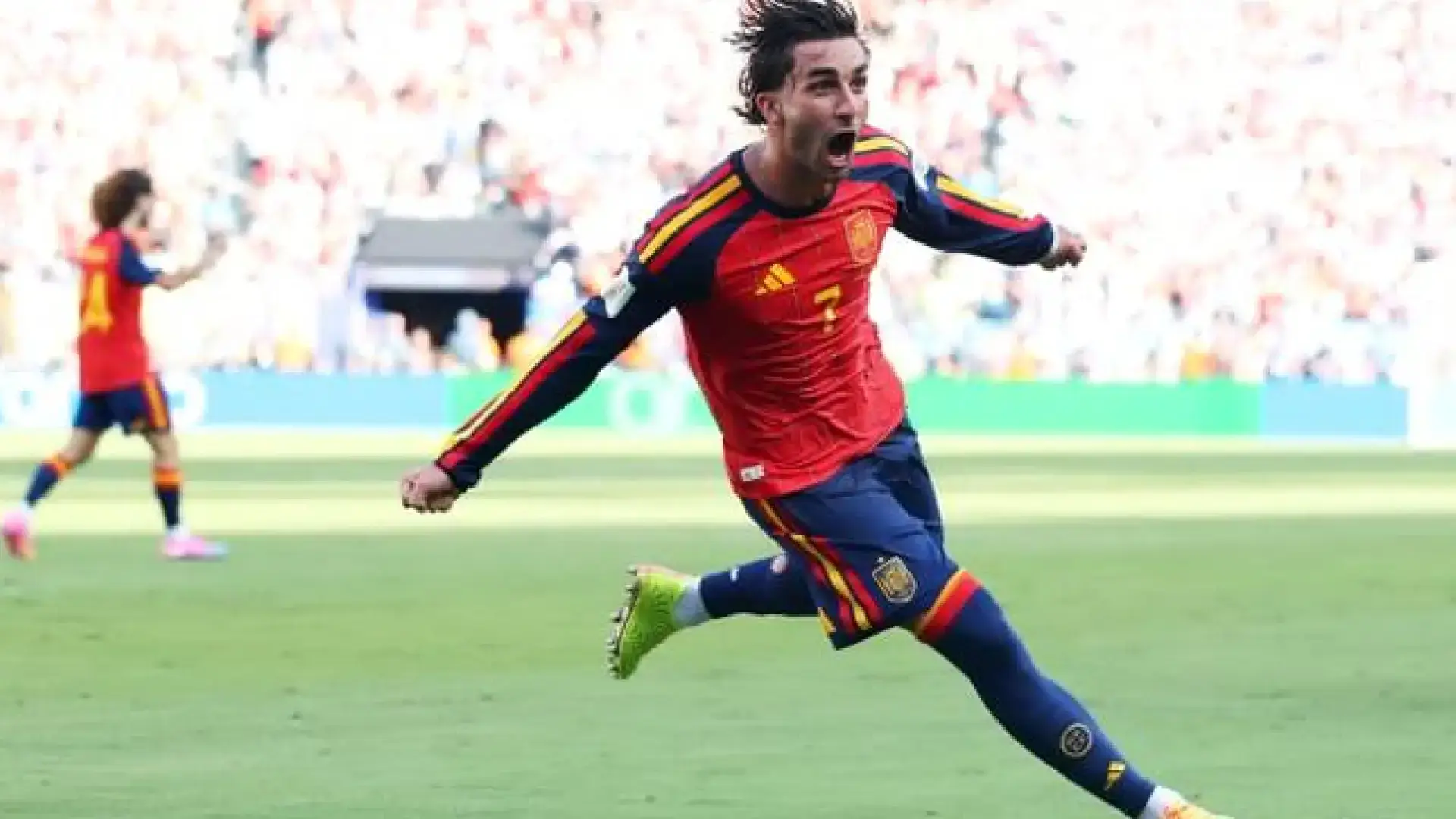
Following the final whistle at MetLife Stadium, FIFA officially announced the 2026 World Cup award winners after Spain’s historic 1-0 victory over Argentina.
The atmosphere in East Rutherford was electric as 80,663 fans witnessed Ferran Torres strike in the 106th minute to seal La Roja’s second world title. This tournament marked a definitive shift in the global hierarchy, as Spain’s technical mastery overcame Argentina’s emotional resilience in a clash for the ages.
ALSO READ: World Cup final: Ferran Torres Strikes in Extra Time to Crown Dominant Spain
The post-match ceremony celebrated a generation of players who redefined tactical efficiency on the world stage. From teenage defensive prodigies to metronomic midfield anchors, the individual honors reflected a tournament defined by high-intensity pressing and clinical finishing. Spain’s clean sweep of the primary trophies underscored their absolute dominance of the 48-team expanded format.
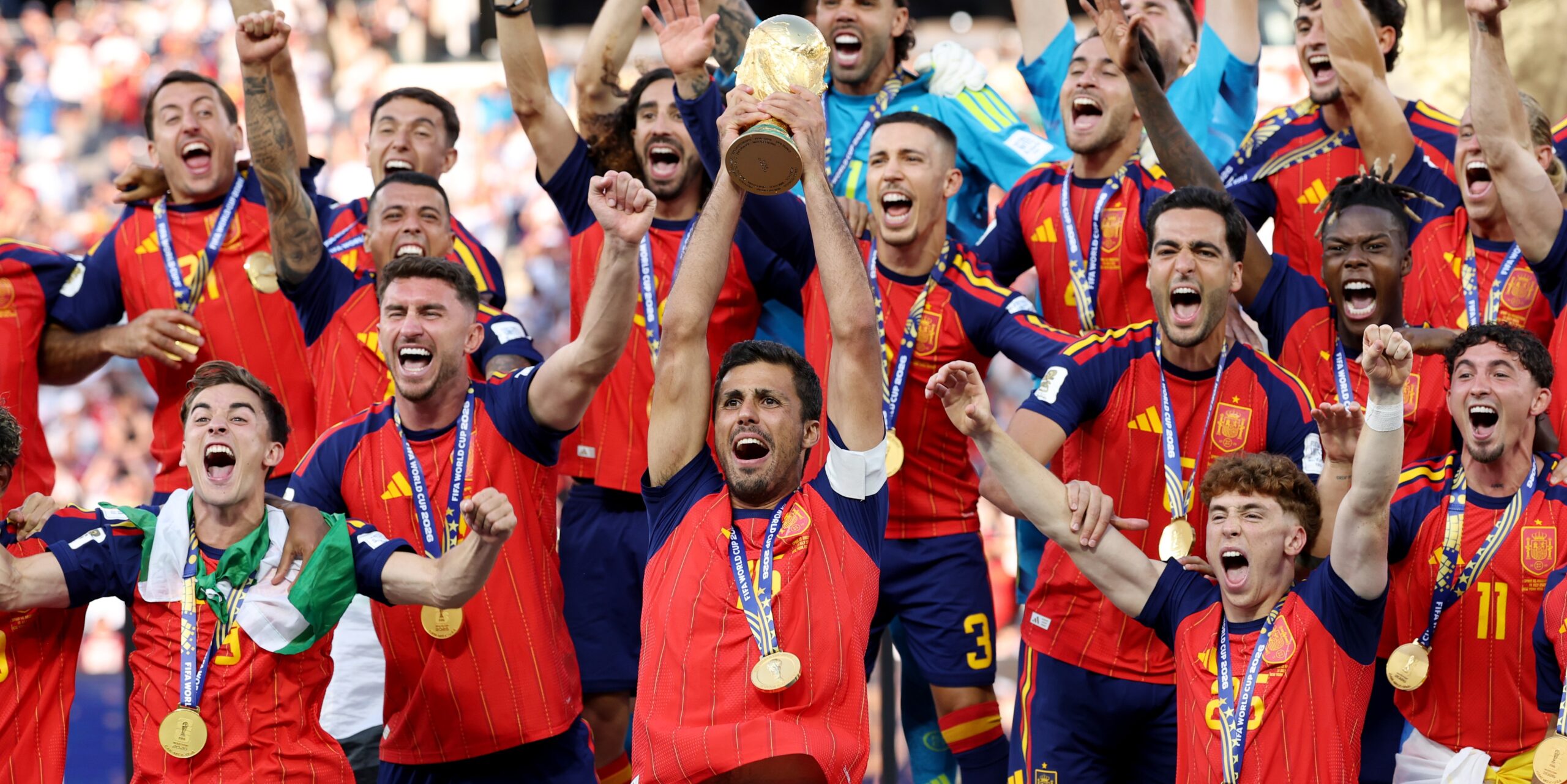
Why did Spain dominate the 2026 World Cup award winners list?
Spain’s collective tactical discipline ensured they occupied nearly every category among the World Cup award winners. At the heart of this success was Rodri, the Manchester City maestro who operated as the team’s undisputed heartbeat. His Golden Ball win was not just about flair; it was a validation of his “metronomic” role in a system that starved opponents of possession.
Rodri finished the tournament with a record-breaking 648 successful passes, eclipsing his own previous benchmarks. In the final against Argentina, he was virtually untouchable, winning 80% of his individual duels and successfully navigating the high-press of Enzo Fernández and Alexis Mac Allister. His Player Efficiency Rating (PER) across the knockout stages was the highest ever recorded by a defensive midfielder in a single edition.
ALSO READ: Aston Villa signs Johan Manzambi for a Club Record €60m
The Silver Ball went to the legendary Lionel Messi, who, at 39 years old, carried Argentina to their second consecutive final. Despite the defeat, Messi’s 8 goals and 4 assists provided the backbone for the Albiceleste’s run. France’s Kylian Mbappé rounded out the podium with the Bronze Ball, a reflection of his status as the most dangerous attacking threat in the modern era.
How did Kylian Mbappé secure the Golden Boot against Lionel Messi?
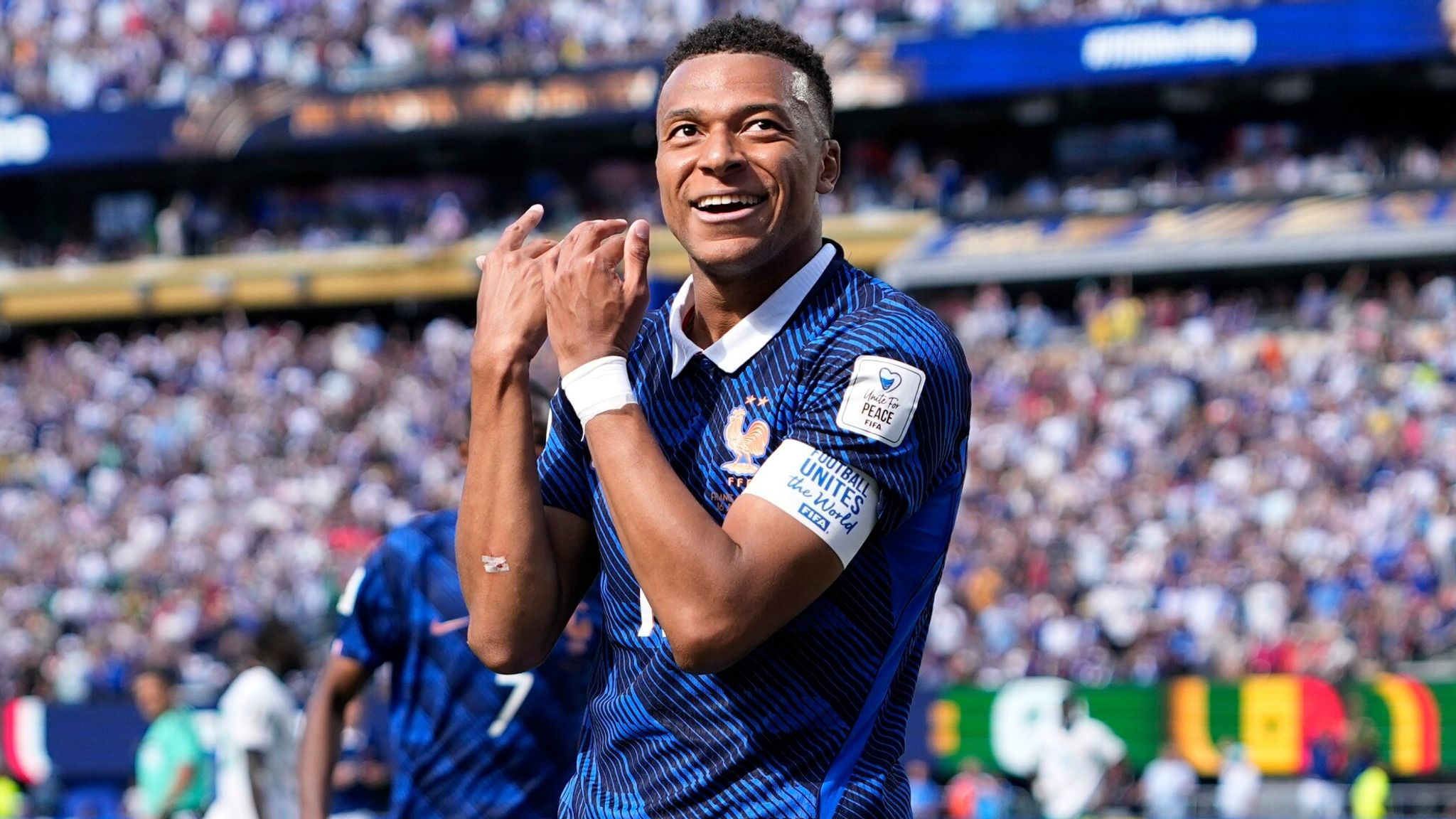
The race for the Golden Boot was a narrative-heavy shootout that lasted until the final weekend. Kylian Mbappé entered the third-place playoff against England with his sights set on history. By netting a clinical brace in the high-scoring 6-4 victory, the France captain finished with a spectacular 10 goals in just 8 matches.
ALSO READ: France vs England: Mbappé Chases Golden Boot in Deschamps’ Final Match
Mbappé’s efficiency was staggering, producing 10 goals from an Expected Goals (xG) value of just 7.2. This clinical edge allowed him to hold off Lionel Messi, who finished as the runner-up with 8 goals. Young stars Jude Bellingham and Erling Haaland shared the third spot on the podium, each finishing with 7 goals for England and Norway respectively.
| Player | Goals | Assists | Minutes Played | xG (Expected Goals) |
|---|---|---|---|---|
| Kylian Mbappé (FRA) | 10 | 3 | 680 | 7.24 |
| Lionel Messi (ARG) | 8 | 4 | 720 | 6.16 |
| Erling Haaland (NOR) | 7 | 1 | 360 | 5.88 |
| Jude Bellingham (ENG) | 7 | 2 | 540 | 4.92 |
This 10-goal haul cemented Mbappé’s legacy, making him the first male player in history to win multiple World Cup Golden Boots. His ability to perform in transition and find space in congested boxes proved too much for even the most disciplined defenses. As he heads back to Real Madrid, his market value is projected to reach an unprecedented €300 million.
Which defensive milestones did Unai Simón and Pau Cubarsí shatter?
The individual World Cup award winners were not limited to attackers; Spain’s defensive unit earned historic recognition. Unai Simón claimed the Golden Glove after conceding only 1 goal across the entire 8-match layout. This record stands as the best defensive performance by a champion in the history of the tournament, surpassing the defensive records of Italy in 2006 and Spain in 2010.
ALSO READ: Favorites to win Ballon d’Or 2026: Can 61-Goal Harry Kane Stop a Late Lionel Messi Charge?
Simón’s success was largely due to the emergence of 19-year-old Pau Cubarsí, who was named the Best Young Player. Cubarsí started every knockout game, maintaining a passing accuracy of 99% in several matches. His composure under pressure and elite reading of the game sparked comparisons to legendary ball-playing defenders like Gerard Piqué and Carles Puyol.
Spain also walked away with the FIFA Fair Play Award, maintaining the best disciplinary record across the expanded 104-match schedule. This clean sweep of honors was capped by a historical milestone: Spain is now the only nation to hold both the Men’s and Women’s World Cup trophies at the same time. This dual-gender dominance reflects the deep-rooted tactical philosophy of the Royal Spanish Football Federation.
What was the on-the-ground perspective for fans in Kenya and abroad?
In Nairobi and across Kenya, the 2026 World Cup final triggered a massive surge in social media activity and public gatherings. Football “bases” in areas like Eastlands and Lang’ata were packed with fans supporting either Messi’s quest for a final swansong or Spain’s clinical efficiency. The local sentiment favored the underdog story of Argentina, yet the sheer technical brilliance of Rodri and Yamal won over the neutral viewers.
Kenyan fans on platforms like X (formerly Twitter) and WhatsApp engaged in heated debates regarding the selection of the World Cup award winners. Many argued that Lionel Messi’s influence on the pitch deserved the Golden Ball, while others marveled at Mbappé’s freakish goal-scoring rate. The “Spain vs Argentina” rivalry even reached the local betting markets, where Spain’s defensive record became a popular “clean sheet” pick for punters.
Social media sentiment analysis showed that Lamine Yamal and Pau Cubarsí are the new idols for Kenyan youth. Their success at such a young age resonates deeply in a region where young talent often lacks the infrastructure to reach the global stage. This tournament didn’t just crown a champion; it provided a blueprint for tactical excellence that Kenyan coaches and analysts are already dissecting in local football academies.
How did tactical evolution influence the final player metrics?
The 2026 tournament saw the rise of the “Metronomic Anchor” over the traditional “No. 10.” Rodri’s Golden Ball win highlights a shift where the player who completes the most passes is valued higher than the one who provides the most highlights. Spain’s system used a “Rest Defense” that allowed them to press immediately upon losing the ball, a tactic that reduced their defensive transitions to almost zero.
The final tally of World Cup award winners confirms that tactical intelligence combined with elite physical conditioning is the new standard for glory.
What is the financial and market impact of these individual honors?
The financial ramifications of these awards are already being felt in the transfer market. Pau Cubarsí’s market value has skyrocketed from €80 million to an estimated €135 million overnight. Similarly, the “Rodri effect” has solidified Manchester City’s midfield as the most valuable unit in world football. Sponsorship deals for the award winners are expected to hit record highs as brands look to align with the “Generational Dominance” narrative.
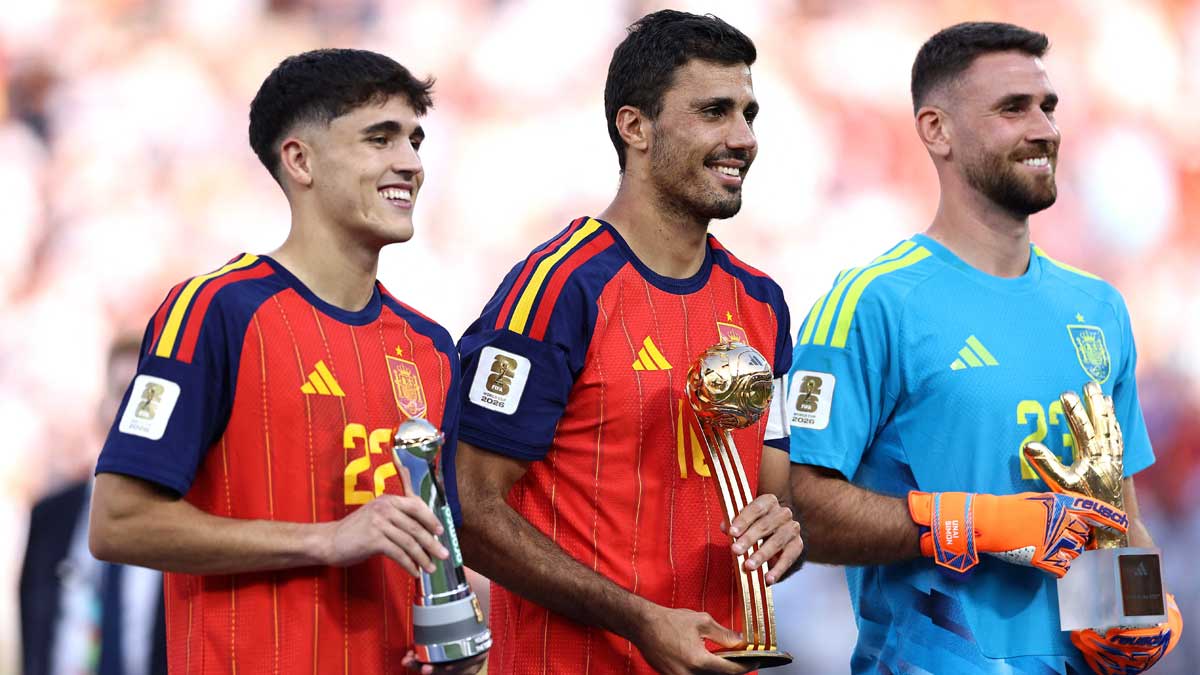
Analysts at SportsLeo suggest that the World Cup award winners reflect the highest level of technical execution in football history. This tournament has set a new benchmark for what is expected of “Elite Performers.”
People Also Ask
Who won the Golden Ball in the 2026 World Cup?
Rodri (Spain) won the Golden Ball as the tournament’s best player, recognized for his exceptional midfield control and record-breaking passing accuracy.
Who was the top scorer of the 2026 World Cup?
Kylian Mbappé (France) secured the Golden Boot with 10 goals in 8 matches, surpassing Lionel Messi who finished with 8 goals.
Who won the Golden Glove in 2026?
Unai Simón (Spain) was awarded the Golden Glove after conceding only one goal throughout the entire tournament layout.
Who was named the Best Young Player?
Pau Cubarsí, the 19-year-old Spanish center-back, won the Best Young Player award for his defensive maturity and passing efficiency.
Has any nation held both Men’s and Women’s World Cup titles before?
No, Spain became the first nation in history to hold both the Men’s and Women’s FIFA World Cup trophies simultaneously following their 2026 triumph.