






- The 2026 tournament expands to 48 teams and 104 matches, introducing a new Round of 32 knockout phase that follows 12 groups of four teams.
- Eight best third-placed teams will now advance to the knockout rounds alongside the top two finishers from every group, increasing competitive tension across all 72 group stage fixtures.
- Participating nations now face a grueling eight-match path to the final, with FIFA projecting record revenues of $11 billion and a prize pool of $871 million.
The World Cup 2026 format explained guide clarifies how the upcoming tournament in North America is set to be the largest and most complex event in FIFA’s history. As the footballing world prepares for a historic kickoff across the United States, Canada, and Mexico, the sheer scale of the 23rd edition of the World Cup is unprecedented.
This edition marks the single largest structural expansion in football history, growing from the traditional 32-team setup to a massive 48-nation footprint. For fans in East Africa and beyond, understanding these shifts is vital for following the 104-match marathon that will crown the next world champion.
ALSO READ: Jorginho Wife: The Staggering Reality TV and Hollywood Story of Catherine Harding
A World Cup 2026 format explained briefing helps contextualize why this expansion is more than just adding 16 teams; it is a fundamental redesign of the tournament’s competitive DNA. By increasing the participant count, FIFA has effectively opened the doors to emerging footballing nations, particularly across Africa and Asia.
This growth ensures that the festival of football reaches corners of the globe that previously felt the 32-team ceiling was too high to break. However, this inclusivity comes with significant logistical and physical demands on the world’s elite athletes.
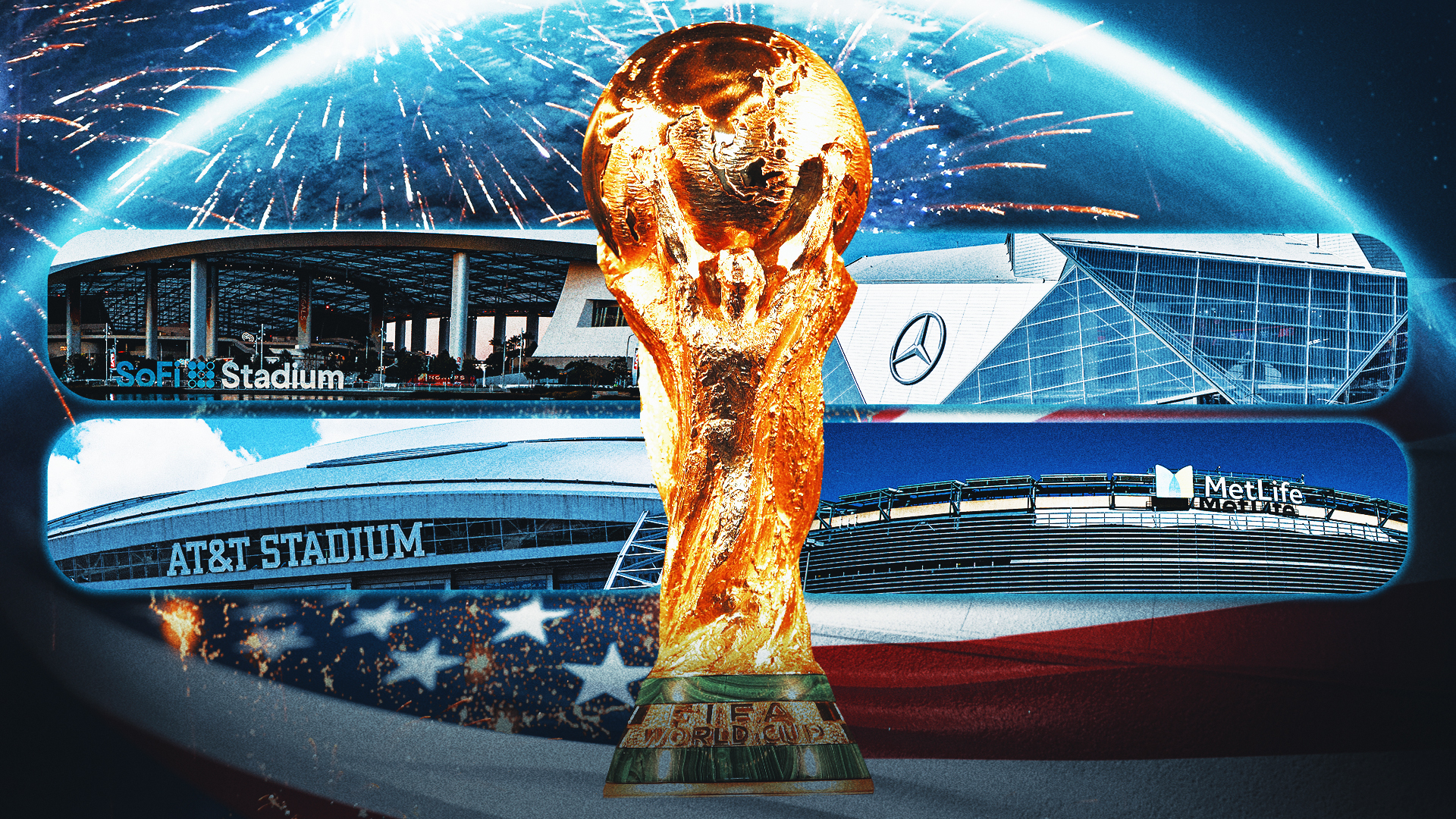
The move to a 48-team tournament was officially ratified to maximize global engagement and commercial revenue. With three host nations—Canada, Mexico, and the USA—the infrastructure is in place to handle the increased volume. However, the complexity of the bracket means that every goal, card, and point will be scrutinized under the new regulations. In this World Cup 2026 format explained breakdown, we will explore how the group dynamics and knockout pathways have been reshaped to accommodate this historic growth.
ALSO READ: Christian Eriksen Collapse 2026: Latest Updates After Denmark Star Falls Against Ukraine
How is the World Cup 2026 format explained for global audiences?
The first phase of the tournament involves 48 qualified nations divided into 12 groups of four teams each, labeled Groups A through L. This structure was chosen over the originally proposed 16 groups of three teams to preserve the drama of the final group-stage matchday. Each nation plays three group stage matches in a round-robin schedule, resulting in a staggering 72 group-stage fixtures. This is a massive increase from the 48 group matches seen in previous 32-team tournaments.
The progression pathways are equally expansive. The top two teams from all 12 groups qualify automatically for the knockout rounds. This accounts for 24 teams. To fill the remaining slots in the new 32-team bracket, the eight best third-placed teams across all 12 groups will also advance. When looking at the World Cup 2026 format explained logic, this “wild card” element adds a layer of chaos, as teams will not only be competing against their own group members but also against the results of teams in entirely different groups.
ALSO READ: N’Golo Kante Wife: Inside the Private Life of Jude Littler
Ranking the third-place teams requires a standardized set of criteria. The four worst third-placed teams and all fourth-placed teams are permanently eliminated. If teams are stuck on equal points, the World Cup 2026 format explained criteria utilize a strict hierarchy of tiebreakers: head-to-head points, head-to-head goal difference, head-to-head goals scored, overall goal difference, overall goals scored, fair play points (based on yellow and red cards), and finally, the FIFA World Rankings. This ensures that even “dead rubber” matches could have significant implications for which nations survive the opening 19 days of the competition.
What Are the Risks of the New Group Stage and Third-Place Wildcards?
While the expansion allows for more representation, it introduces the risk of “stakeless matches.” Analytical studies suggest that in a 48-team format, some teams may have already qualified or been eliminated by their third match, potentially leading to lower-intensity games. However, the inclusion of the eight best third-placed teams is designed to mitigate this. Since almost every group might produce a qualifying third-place team, the incentive to maintain a positive goal difference remains high until the final whistle of the 72nd match.
The strategic depth required to navigate this stage is immense. Coaches must now balance the need for immediate points with the physical preservation of their squads. With more games comes a greater likelihood of injuries and fatigue. From a tactical perspective, the World Cup 2026 format explained data suggests that squad rotation will be the most significant factor in surviving the group stage. Managers who can utilize their full 26-man rosters effectively will have a distinct advantage as the tournament shifts into the high-stakes knockout phase.
The “Group of Death” phenomenon may also be diluted. With 12 groups, the talent is spread thinner across the initial phase. While this might lead to some lopsided scores, it also provides a platform for debutants like Uzbekistan and Jordan to test themselves against traditional giants. This “democratization” of the World Cup is a core pillar of FIFA’s strategy, aiming to foster “football fever” in markets that were previously sidelined during the month-long extravaganza.
How Does the Round of 32 Change the Tournament Bracket?
The biggest competitive adjustment in the 2026 edition is the introduction of the Round of 32. Instead of skipping directly from the group stage to the Round of 16, the tournament now includes an extra single-elimination phase. Scheduled to take place between June 28 and July 3, this round immediately narrows the field from 32 down to 16. This part of the World Cup 2026 format explained change means that the margin for error is virtually zero once the group stage concludes.
Because of this extra knockout round, the eventual tournament champions must now survive a total of eight matches rather than the traditional seven. This adds roughly 90 to 120 minutes of elite-level football to the legs of the finalists. The total tournament volume hits an all-time record of 104 matches, played over a 39-day period. This creates a massive, demanding test of squad depth and physical endurance that will favor nations with robust domestic leagues and advanced sports science departments.
The knockout phase regulations remain familiar but carry higher stakes. Matches consist of two 45-minute halves. If level after 90 minutes of regulation, teams play 30 minutes of extra time. If still tied, the match is decided by a standard five-round penalty shootout.
To have the World Cup 2026 format explained properly, one must acknowledge that the physical toll of an extra 30 minutes in the Round of 32 could have a cascading effect on a team’s performance in the subsequent Quarter-finals and Semi-finals.
How Will the Expanded Format Affect Kenyan Fans and Local Broadcasting?
The World Cup 2026 format explained overview for Kenya is particularly relevant given the recent developments in local broadcasting. Millions of fans across the country can breathe a sigh of relief as the government recently released funds for the Kenya Broadcasting Corporation (KBC) to acquire the free-to-air rights for the tournament. Treasury Cabinet Secretary John Mbadi and KBC Managing Director Agnes Nguna confirmed that the financial hurdles had been cleared, ensuring that the 104-match spectacle will be accessible to those without pay-TV subscriptions.
For the Kenyan “GEO” perspective, this news is transformative. Football is the heartbeat of Kenyan sports culture, and while the Harambee Stars did not qualify for this edition, the increased African representation (now guaranteed 9 slots) means that local fans have more “home” continental teams to support.
The atmosphere in Nairobi, Mombasa, and Kisumu during the 2026 tournament will be electric, with fans gathering in “base” areas and social halls to watch icons like Kylian Mbappé and Mohamed Salah on the national broadcaster.
However, the 2026 format presents a unique challenge for East African viewers: time zones. Matches played in the United States, Mexico, and Canada will often kick off late at night or in the early morning hours in Kenya (EAT). This shift in the viewing schedule will likely impact social media sentiment and the hospitality industry, as fans navigate work schedules to catch live action. Despite these challenges, the excitement surrounding the first-ever 48-team tournament remains at an all-time high in the region. You can stay updated with more football news on our dedicated section.

What Financial Payouts and Prize Money Can Teams Expect?
In the World Cup 2026 format explained financial summary, the numbers are as record-breaking as the match count. FIFA’s revenue for the 2023-2026 cycle is projected to hit $11 billion, a significant jump from the $7.5 billion generated during the Qatar cycle. Of this, nearly $8.9 billion is attributed directly to the World Cup tournament through broadcasting rights, sponsorships, and ticket sales. This financial windfall allows for a significantly larger prize pool for the participating nations.
The total prize fund has been increased to $871 million. Each of the 48 participating nations is guaranteed a minimum participation fee of $12.5 million, providing a vital injection of capital for smaller federations to invest in youth development and infrastructure. The eventual champions are expected to take home approximately $50 million, the largest payout in the history of the sport. These figures illustrate why qualification is so fiercely contested; for many nations, the participation fee alone exceeds their annual operating budget.
Beyond the direct prize money, the commercial impact on players is immense. High-visibility performances on the world stage can increase a player’s market value by 30% to 50% in a single summer. Sponsorship deals and social media growth during the tournament often lead to lucrative contract renewals or transfers to elite European clubs. For the 2026 edition, North America’s massive commercial market provides an even larger stage for players to build their personal brands.
How Do Travel Logistics and Time Zones Impact the 104-Match Schedule?
Regarding travel, the World Cup 2026 format explained logistics reveal a logistical mountain for teams to climb. Matches will be held in 16 host cities across three countries, spanning four time zones and varying altitudes. A team could potentially play a group match in the humid conditions of Miami and their next match in the high-altitude environment of Mexico City. This geographical spread is unprecedented and adds another layer of difficulty to the eight-match path to the final.
FIFA has attempted to mitigate this by “clustering” groups within specific regions during the early stages. For example, groups may be centralized in the Western, Central, or Eastern regions of the continent to minimize cross-continental flights. However, once the knockout rounds begin, travel will become more frequent. Managing circadian rhythms and recovery protocols will be just as important as on-pitch tactics. Teams with the most sophisticated travel and nutrition plans will be better positioned to survive the 39-day schedule.
For fans, this geographical diversity means a 24-hour cycle of football. With 104 matches, there will be days with four consecutive fixtures, providing a constant stream of content for broadcasters and digital platforms. The “fan experience” will vary wildly depending on the host city, from the tech-heavy atmosphere of Silicon Valley to the historic footballing cathedral of the Estadio Azteca. This variety is part of what makes the 2026 edition a true “North American” World Cup rather than just a US-hosted event.
What Are the Missing Details Regarding Ticket Pricing and Taxation?
The World Cup 2026 format explained documentation shows that while the sporting side is well-defined, administrative hurdles remain. Competitor reports often miss the growing controversy surrounding ticket pricing and player taxation. Attorneys General in New York and New Jersey have already launched probes into the transparency of ticket sales, as “nosebleed” seats are expected to reach record prices. For the average fan, the “most inclusive” World Cup may also be the most expensive to attend in person.
Another overlooked detail is the US federal tax liability. Recent reports from The Star Kenya and international sources indicate that national associations are concerned about the 21% federal tax the US government expects on tournament earnings. For players, this liability could rise to 37% on individual earnings. FIFA has been in “last-ditch” negotiations to resolve these tax snags, which could otherwise eat into the increased prize pool promised to the 48 nations. These behind-the-scenes financial battles are crucial to the tournament’s overall success.
Furthermore, the “dilution of spectacle” remains a valid concern for purists. Critics argue that a 48-team field may lower the “absolute quality” of the group stage. However, FIFA’s leadership maintains that the growth of the game justifies the expansion. The 2026 tournament is a gamble on the idea that quantity can enhance quality by providing a platform for the next generation of global stars to emerge from non-traditional footballing regions. Only time will tell if the 104-match marathon will be remembered as a masterpiece or a logistical overload.
Tournament Structure at a Glance
| Category | Specification |
|---|---|
| Total Participating Teams | 48 Nations |
| Group Stage Structure | 12 Groups of 4 Teams |
| Group Stage Matches | 72 Matches Total |
| Automatic Qualifiers | Top 2 from each group (24 teams) |
| Wild Card Qualifiers | 8 Best Third-Placed Teams |
| Knockout Rounds | Round of 32, 16, QF, SF, 3rd Place, Final |
| Total Tournament Matches | 104 Matches |
| Tournament Final Date | Sunday, July 19, 2026 |
| Final Venue | New York New Jersey Stadium |
The World Cup 2026 format explained report concludes that the transition to a 48-team tournament is the most ambitious project in FIFA’s history. While the expanded format might look chaotic on paper, it keeps the traditional drama of four-team groups intact while giving more nations than ever a legitimate shot at knockout football.
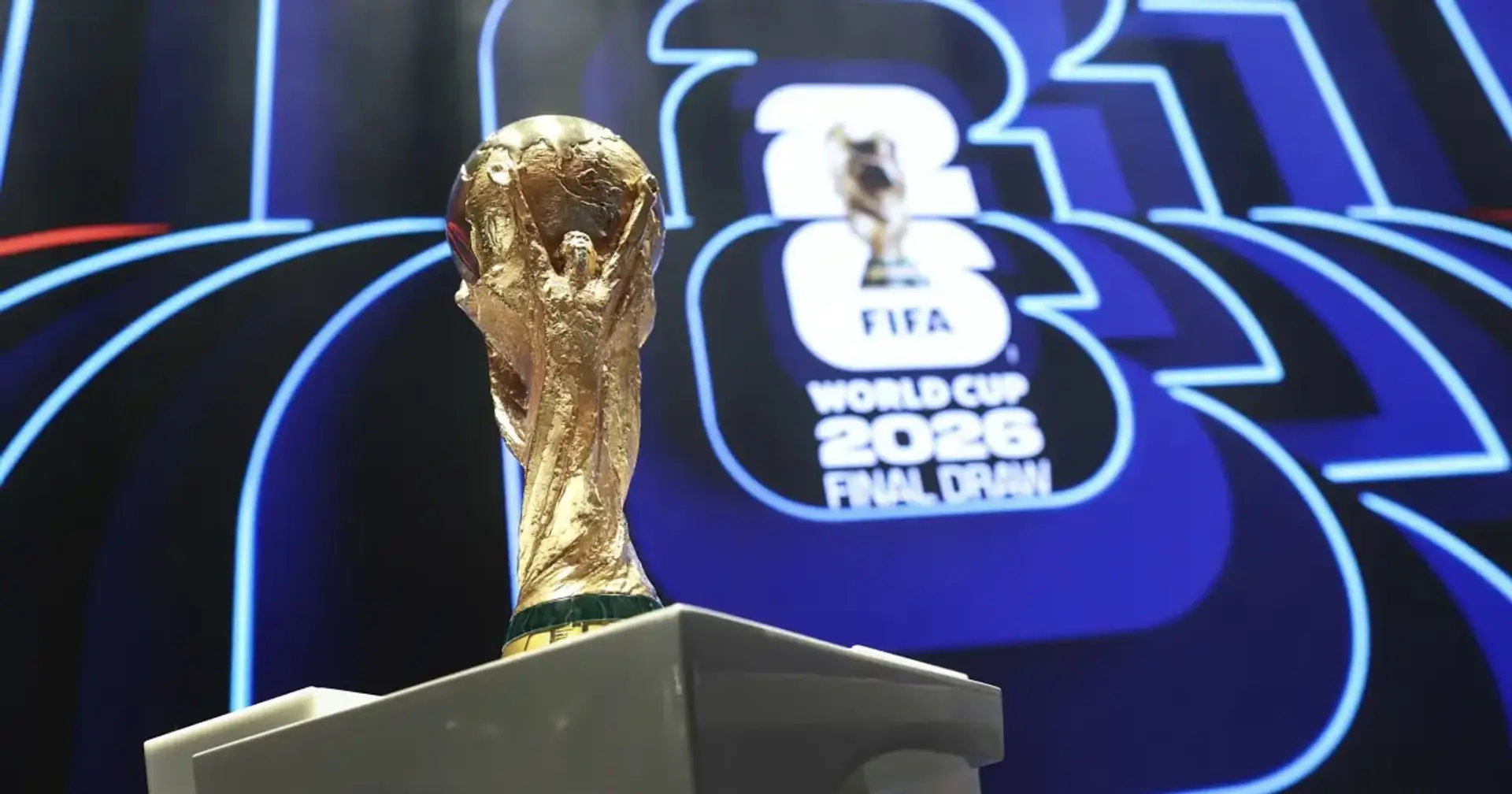
Every World Cup 2026 format explained detail ensures that the stakes remain high from the opening match in Mexico City to the final whistle in New Jersey. Depth, physical recovery, and tactical flexibility will decide who survives the grueling 104-match marathon. For those following the journey, always refer to this World Cup 2026 format explained analysis to stay ahead of the game.
People Also Ask (FAQ)
How many teams will qualify for the 2026 World Cup?
A total of 48 teams will qualify for the 2026 tournament, an increase of 16 teams from the previous 32-team format used since 1998.
How many matches are in the 2026 World Cup?
The tournament will feature a record-breaking 104 matches, including 72 group stage games and 32 knockout round fixtures.
How many teams advance from the group stage in 2026?
A total of 32 teams advance to the knockout rounds: the top two teams from each of the 12 groups (24 teams) and the eight best third-placed teams across all groups.
Where will the 2026 World Cup final be played?
The final is scheduled to be held on July 19, 2026, at the New York New Jersey Stadium (MetLife Stadium) in East Rutherford.