
- Prichard Colón passed away on Thursday, August 13, 2026, at the age of 33, ending an eleven-year battle with severe brain trauma sustained in the ring.
- The former undefeated prospect (16-0) suffered a subdural hematoma following a 2015 bout marked by illegal rabbit punches, leading to a decade in a persistent vegetative state.
- His death cements the lasting impact of the WBC Prichard Colón Rule, a zero-tolerance safety regulation created to prevent similar tragedies in professional boxing.
The global boxing community mourns today as Prichard Colón has passed away at the age of 33 following an eleven-year struggle with catastrophic neurological injuries. He was once the golden boy of Puerto Rican boxing, a tall, charismatic super welterweight with the world at his feet. His journey from a decorated amateur to a tragic symbol of ring safety reached its final bell this Thursday morning.
His father and former trainer, Richard Colón, broke the news to a devastated fanbase. The announcement confirmed that the fighter is finally at peace after a journey that tested the limits of human endurance and parental love. This news marks the end of an era for a family that became a symbol of unwavering devotion in the face of medical despair.
ALSO READ: Tyson Fury vs Mariusz Wach: Gypsy King Seals 7th-Round TKO in Thailand
What Led to the Official Announcement of Prichard Colón’s Passing on August 13, 2026?
The news arrived through a poignant social media post from Richard Colón. He stated that his son had moved to “a better world” after a decade of fighting outside the ropes. The fighter had spent the last 3,953 days under the constant care of his mother, Nieves, and his father in their Orlando home.
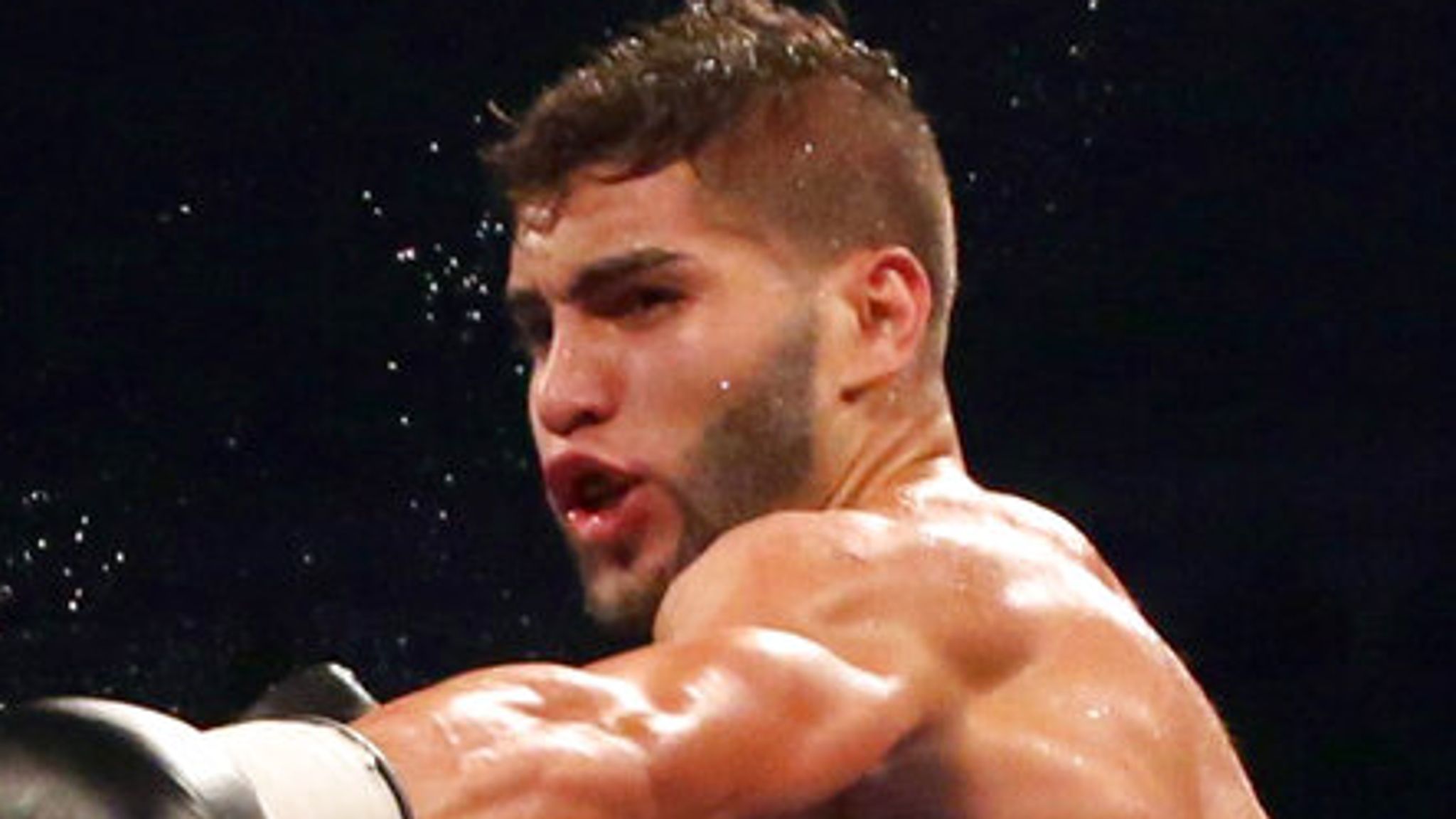
Before the 2015 tragedy, he was a phenom with a professional record of 16–0 and 13 knockouts. His amateur pedigree included five national titles and a 2010 Pan American Youth gold medal. He was the prototype for a modern champion: skilled, powerful, and marketable.
ALSO READ: Vitali Klitschko Net Worth: How Much is the Boxing Legend Worth Today?
Major sanctioning bodies were quick to issue official statements of grief. The WBO described him as “a warrior until the very end whose courage, strength, and fighting spirit transcended the ring.” The WBC, which had previously named him an honorary World Champion, echoed these sentiments, highlighting his role as a catalyst for safety.
How Did the October 2015 Fight Against Terrel Williams Irreversibly Alter the Life of Prichard Colón?
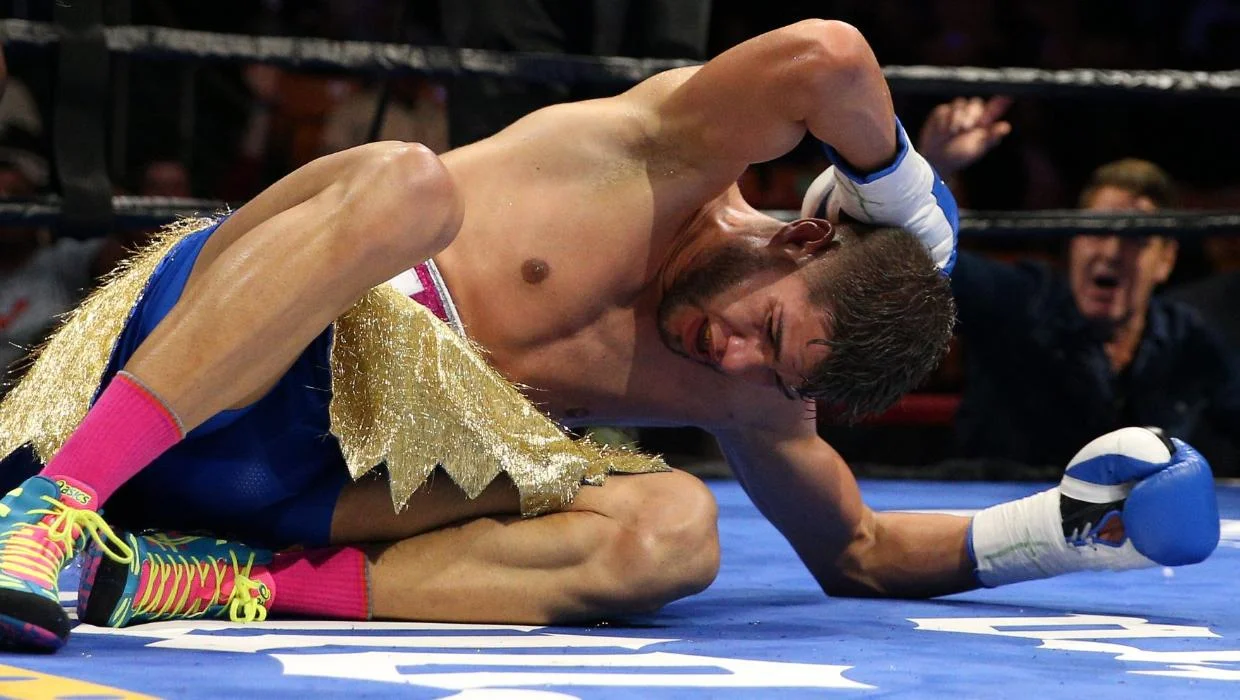
The tragedy unfolded on October 17, 2015, at the EagleBank Arena in Fairfax, Virginia. Facing Terrel Williams, he was subjected to multiple illegal “rabbit punches” directed at the back of his head. Despite notifying the referee and the ringside physician about his dizziness and excruciating pain, the fight was allowed to proceed.
The chaos reached a peak in the ninth round when he was knocked down twice. His corner, confused by the round count, began removing his gloves before the tenth round started. This error resulted in a disqualification loss, but the real disaster was occurring inside his skull.
ALSO READ: Wladimir Klitschko Net Worth: How Rich Is the Heavyweight Boxing Legend?
Shortly after entering the dressing room, he began vomiting and collapsed into unconsciousness. Doctors at Inova Fairfax Hospital diagnosed him with a left-sided subdural hematoma. Surgeons performed an emergency hemicraniectomy to remove a portion of his skull and relieve the massive pressure on his brain.
The 221-Day Coma and the Reality of Survival
He remained in a coma for 221 days, a period where his survival was frequently in doubt. When he finally opened his eyes, he was in a persistent vegetative state. The vibrant athlete who once dominated the ring was now dependent on a ventilator and feeding tubes.
His mother, Nieves Colón, became the face of his recovery, sharing videos of his physical therapy sessions. These clips showed the agonizingly slow progress of a man relearning how to communicate through eye movements and slight hand gestures. The world watched as a family refused to give up on a son the medical world had largely written off.
Why Is the WBC Prichard Colón Rule the Most Vital Safety Reform in Combat Sports?
The tragedy sparked an immediate demand for systemic change within the sport. The World Boxing Council (WBC) responded by implementing the “Prichard Colón Rule” to address the lethality of rabbit punches. This regulation mandates that referees give a stern warning before the fight and immediately penalize any blow to the back of the head.
Referees now have the authority to stop a fight if a fighter complains of head pain following an illegal blow. This shift moved the burden of safety from the athlete to the officials. It was a late but necessary recognition that the “tough it out” culture of boxing was killing its participants.
| Safety Feature | Pre-2015 Protocol | WBC Prichard Colón Rule |
|---|---|---|
| Rabbit Punch Penalty | Discretionary warnings | Mandatory point deduction/DQ |
| Referee Briefing | General rules overview | Explicit warning on back-of-head hits |
| Medical Intervention | Limited mid-fight checks | Immediate recovery time for illegal hits |
Has Ringside Medical Technology Evolved Enough to Prevent Such Traumas?
By 2026, the use of portable infrared brain scanners at ringside has become a topic of intense debate. These devices can detect early signs of intracranial bleeding within minutes of a fighter returning to their stool. While not yet mandatory across all commissions, they represent the future of fighter safety.
The failure in 2015 was not just a lack of technology but a failure of human judgment. The ringside physician cleared him to continue despite the clear signs of neurological distress. Today, protocols require a “suspected concussion” to result in an immediate fight stoppage, regardless of the athlete’s desire to continue.
What Is the Forgotten Psychological Impact on Opponents in Ring Tragedies?
Terrel Williams, the opponent that night, carried a heavy psychological burden for the following decade. Williams was never the same fighter, frequently speaking about the guilt and the “dark cloud” that followed his career. The boxing world often forgets that the man delivering the blows is also a victim of the sport’s inherent violence.
Williams faced intense scrutiny and online abuse, yet the fault lay largely with the officiating. This tragedy highlighted the need for mental health support for all athletes involved in catastrophic events. Boxing is a sport of inches, and a few misplaced punches changed the trajectory of two lives forever.
How Does the Global Boxing Community, Including Fans in Kenya, React to This Loss?
In Kenya, where boxing has a deep-rooted history through the “Hit Squad” and professional circuits in Nairobi, this news resonates deeply. Local fans have followed the recovery of Prichard Colón via social media, often citing him as a reason for stricter local officiating. The Kenya Professional Boxing Commission has frequently referenced international safety standards inspired by this case.
The atmosphere in local gyms today is somber as trainers use this moment to educate young prospects on the importance of self-preservation. Kenyan fans on social media have shared tributes, recognizing that the dangers of the ring are universal. This loss is felt just as acutely in the streets of Eastlands as it is in San Juan.
The legacy of Prichard Colón is not one of defeat, but one of profound change. He forced the sport to look in the mirror and acknowledge its deadliest flaws. While he never won a world title in the traditional sense, his impact on the safety of every future boxer is a championship achievement in its own right.
People Also Ask
When did Prichard Colón pass away?
He passed away on August 13, 2026, at the age of 33, after spending 11 years in a persistent vegetative state.
What is the Prichard Colón Rule in boxing?
It is a WBC regulation that mandates strict penalties for rabbit punches (hits to the back of the head), including immediate warnings and point deductions to protect fighter safety.
Who was Prichard Colón fighting when he got injured?
He was fighting Terrel Williams on October 17, 2015, in a bout where he suffered repeated illegal blows to the back of his head.
What was Prichard Colón’s professional boxing record?
Before his injury, he was an undefeated prospect with a record of 16 wins and 0 losses, including 13 wins by knockout.
Who cared for Prichard Colón during his recovery?
He received round-the-clock care from his mother, Nieves, and his father, Richard Colón, at their home in Orlando, Florida, for over a decade.