



- Data-Driven Tactical Rigor: Elite players like Anders Verjgang utilize a “90-90” high-pressure defensive system and 12-hour VOD review cycles to master the FC 26 meta.
- Holistic Performance Optimization: Success in the $1.5 million 2026 FC Pro World Championship requires sleep-cycle synchronization and neural-response training to manage high-intensity sprint frequencies.
- Psychological Resilience: “How pro players prepare for FC tournaments” involves specialized mental coaching to handle a 2026 circuit where goal averages have spiked to 10 per match.
- What is the Mental Fortress of an FC Pro Champion?
- How Does Tactical Periodization Define the 2026 Meta?
- What Role Do Advanced Analytics Like xG and PER Play?
- How Do Pro Players Prepare for FC Tournaments Through Physical Fitness?
- How is the 2026 Kenyan eSports Scene Reacting to Global Pro Standards?
- What are the Financial Rewards of the 2026 FC Pro Circuit?
- What Critical Factors Are Other Training Guides Missing?
- SportsLeo Forecast: What Should We Expect in the Next 12 Months?
What is the Mental Fortress of an FC Pro Champion?
In the high-stakes world of the 2026 FC Pro circuit, the difference between a podium finish and an early exit is rarely just thumb-skill.
As goal averages in professional play have surged to nearly 10 per match this season, the psychological demand has reached an all-time high.
ALSO READ: Top 10 EA Sports FC Players in the World Right Now
Players like Nicolas99fc, often dubbed “The Iceman,” have revolutionized how pro players prepare for FC tournaments by incorporating stoic conditioning. This involves simulated “pressure cooker” scenarios where players must maintain a sub-80 BPM heart rate while defending a one-goal lead in the 90th minute.
Mental coaching is no longer a luxury but a core pillar of the training regimen. Teams now employ full-time psychologists to help players navigate the “Reset Mechanism,” a mental technique used to instantly forget a conceded goal and return to peak concentration levels.
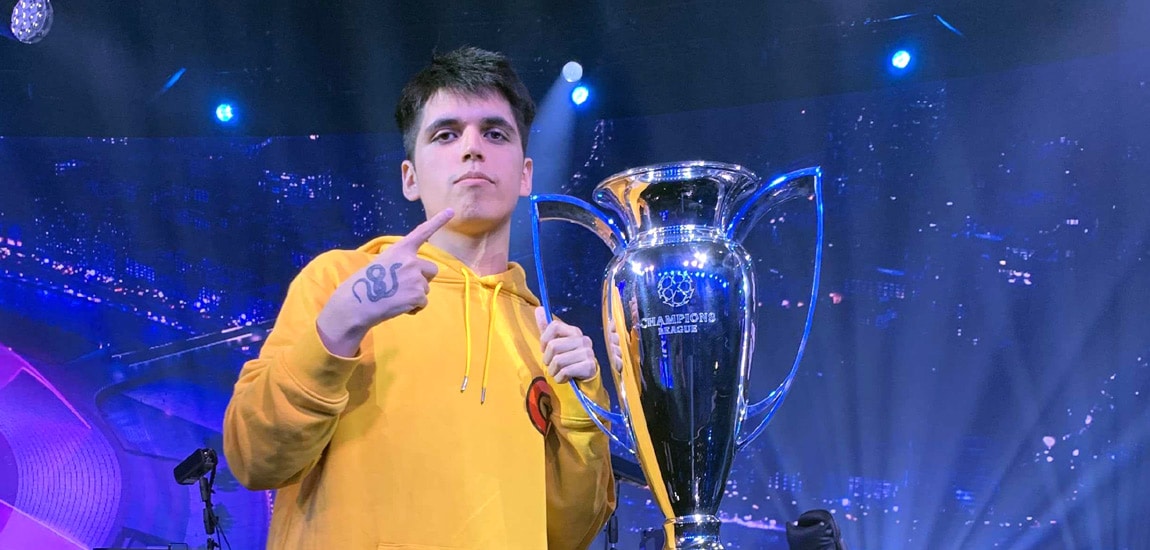
 Pro player undergoing neural-response training for FC 26.
How Does Tactical Periodization Define the 2026 Meta?
The 2026 season has seen the rise of “Tactical Periodization,” a concept borrowed from elite real-world football. This is a primary secret in how pro players prepare for FC tournaments, focusing on specific phases of play: the high-press transition, the low-block defensive shell, and the “Sweeper Keeper” counter-attack.
Anders Verjgang, the first player to surpass $1,000,000 in career earnings, famously utilizes a 90-depth, 90-width defensive approach.
ALSO READ: Jay-Jay Okocha Net Worth: Career, Salary, Endorsements and Net Worth
This requires superhuman right-stick switching to close gaps, a skill he hones through 4-hour daily drills focusing exclusively on player switching responsiveness.
Furthermore, the synergy of “PlayStyle+” attributes has become the ultimate tactical battleground. Pros spend hundreds of hours testing how *Incisive Pass+* interacts with *Tiki-Taka+* in the 4-4-1-1 formation, which has emerged as the dominant tactical blueprint for the 2026 World Championship in Riyadh.
What Role Do Advanced Analytics Like xG and PER Play?
The era of “vibes-based” gaming is dead. Today, how pro players prepare for FC tournaments involves a deep dive into StatsPerform-style metrics.
Top teams now use proprietary software to track Expected Goals (xG) and Player Efficiency Ratings (PER) across thousands of practice matches.
ALSO READ: Jack Nicklaus Net Worth 2026: Career, Earnings and Endorsements
High-Intensity Sprint Frequency (HISF) is the metric of the year. Pros analyze their HISF to ensure they aren’t burning through player stamina too early in the 9-minute halves used in the FC Pro Open. Managing the “Sprint Trigger” is now as calculated as a pit stop in Formula 1.
By analyzing heatmaps, players like Emre Yilmaz can identify “dead zones” in their opponent’s defensive AI. This data-backed insight allows them to exploit specific passing lanes that a human eye would likely miss during the heat of a live broadcast.
How Do Pro Players Prepare for FC Tournaments Through Physical Fitness?
The stereotype of the sedentary gamer has been completely dismantled by the 2026 pro class. To maintain the 400+ actions per minute (APM) required at the elite level, physical conditioning is mandatory.
Cardiovascular health directly impacts oxygen flow to the brain, which in turn preserves reaction times over a 12-hour tournament day.
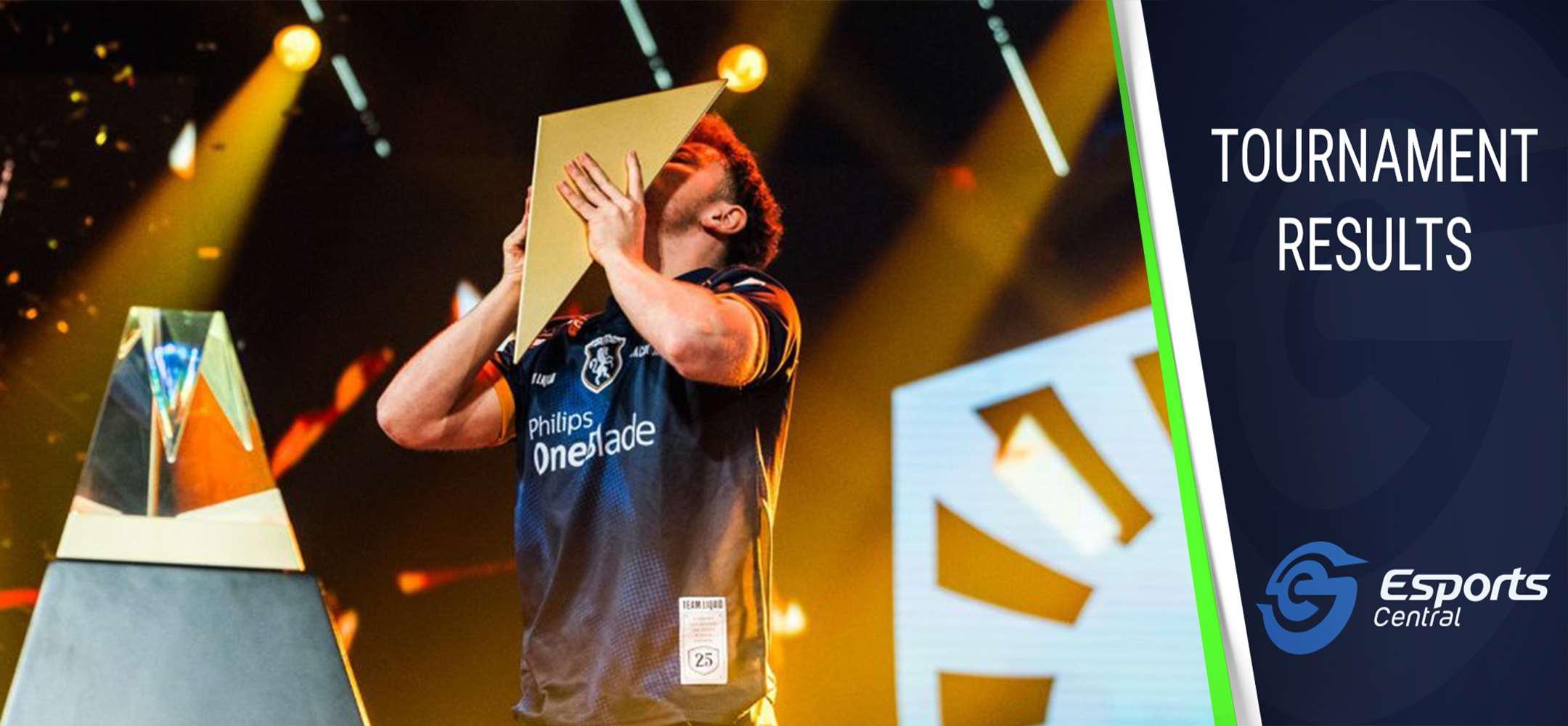
Nutritionists for teams like Team Liquid and RBLZ Gaming prescribe specific “Tournament Diets” high in Omega-3s and complex carbohydrates.
These diets are designed to prevent the dreaded “sugar crash” that can lead to a lapse in concentration during the knockout stages.
Sleep synchronization is another fascinating way how pro players prepare for FC tournaments. When the $1.5M World Championship takes place in Saudi Arabia, European and American players spend two weeks prior adjusting their circadian rhythms to the local time zone, ensuring peak cognitive performance during match hours.
How is the 2026 Kenyan eSports Scene Reacting to Global Pro Standards?
The “On-the-Ground Perspective” in Nairobi reveals a community that is no longer content with being spectators. With Kenya’s gaming market growing at a 6.9% CAGR, the hunger for professionalization is palpable in local hubs like the Football Esports House and SC Tournaments.
Kenyan fans are meticulously studying how pro players prepare for FC tournaments to elevate the local “Pro Ladder” scene.
Social media sentiment across Nairobi and Mombasa indicates a massive shift toward tactical depth, with local players now debating “90-depth” tactics and “Step-over Efficiency” in WhatsApp groups and local gaming dens.
The atmosphere at local tournaments is electric, mirroring the intensity of the FC Pro circuit. Fans in Kenya are particularly drawn to the “Zero-to-Hero” stories of players like Anders Verjgang, seeing a blueprint for how a dedicated local player can eventually reach the $1.5 million global stage in Riyadh.
What are the Financial Rewards of the 2026 FC Pro Circuit?
The financial stakes of the 2026 season have reached unprecedented levels. The FC Pro World Championship boasts a $1.5 million prize pool, with the winner taking home a staggering $250,000. This has transformed eSports from a hobby into a high-stakes professional career.
| Metric | Anders Verjgang (RBLZ) | Emre Yilmaz (Team Liquid) | Nicolas99fc (Cloud9) |
|---|---|---|---|
| 2026 Win Rate | 88.4% | 82.1% | 79.8% |
| Avg Goals Per Match | 4.2 | 3.9 | 3.1 |
| Total Earnings (2026) | $1,120,000 | $641,733 | $455,000 |
| Preferred Formation | 4-3-2-1 | 4-2-2-2 | 4-4-2 (Defensive) |
Market values for these players are also skyrocketing. Top-tier pros now command six-figure base salaries, excluding sponsorships from global brands like Mastercard and Red Bull.
This financial security allows them to focus entirely on how pro players prepare for FC tournaments without the distractions of external employment.

2026 FC Pro World Championship financial data visualization.
What Critical Factors Are Other Training Guides Missing?
While most guides focus on basic skill moves, they often miss the “Invisible 10%” that separates the elite from the great.
One such factor is Netcode Management. Pros don’t just play; they optimize their routing using specialized gaming routers to minimize jitter and packet loss, which can be the difference in a frame-perfect tackle.
Another overlooked aspect is Neural-Link Response Training. Elite players use software designed for fighter pilots to increase their visual processing speed. This allows them to see a defensive gap 0.05 seconds faster than an average player, providing a massive advantage in the “PlayStyle+” era.
Lastly, many fail to mention Hardware Ergonomics. How pro players prepare for FC tournaments includes custom-tensioned analog sticks on controllers like the PlayStation DualSense Edge or SCUF Reflex.
These minor physical modifications allow for more precise “Right Stick Switching,” a cornerstone of Verjgang’s defensive dominance.
SportsLeo Forecast: What Should We Expect in the Next 12 Months?
Based on 2026 performance analytics, SportsLeo predicts a further shift toward “AI-Augmented Training.” Over the next 6-12 months, expect pro teams to utilize AI coaches that can simulate the specific playstyles of opponents like Nicolas99fc or Emre Yilmaz in a sandbox environment.
We also project that the prize pool for the 2027 season will likely crack the $2 million mark as viewership continues to climb, peaking at over 220,000 concurrent viewers during the 2026 FC Pro Open. The integration of VR “Spectator Suites” will also redefine how fans engage with these tournaments.
People Also Ask
How many hours do pro FC players practice?
Most professional players, including those in the FC Pro circuit, practice between 8 to 12 hours a day during tournament weeks, split between active gameplay, VOD review, and tactical theory.
What is the most popular formation among pro players in 2026?
The 4-4-1-1 and 4-5-1 are the most dominant formations, favored for their balance between defensive stability and the ability to trigger “PlayStyle+” offensive runs.
Do pro players use special controllers?
Yes, many pros use “pro-grade” controllers like the DualSense Edge or SCUF Reflex, which offer back paddles for faster input and adjustable triggers for quicker response times.
Is physical fitness important for eSports?
Absolutely. Physical fitness improves blood flow and oxygenation, which are critical for maintaining high concentration levels and fast reaction times over long tournament days.
What is the prize money for the FC Pro World Championship 2026?
The total prize pool is $1,500,000, with the first-place winner receiving $250,000 and the title of World Champion.