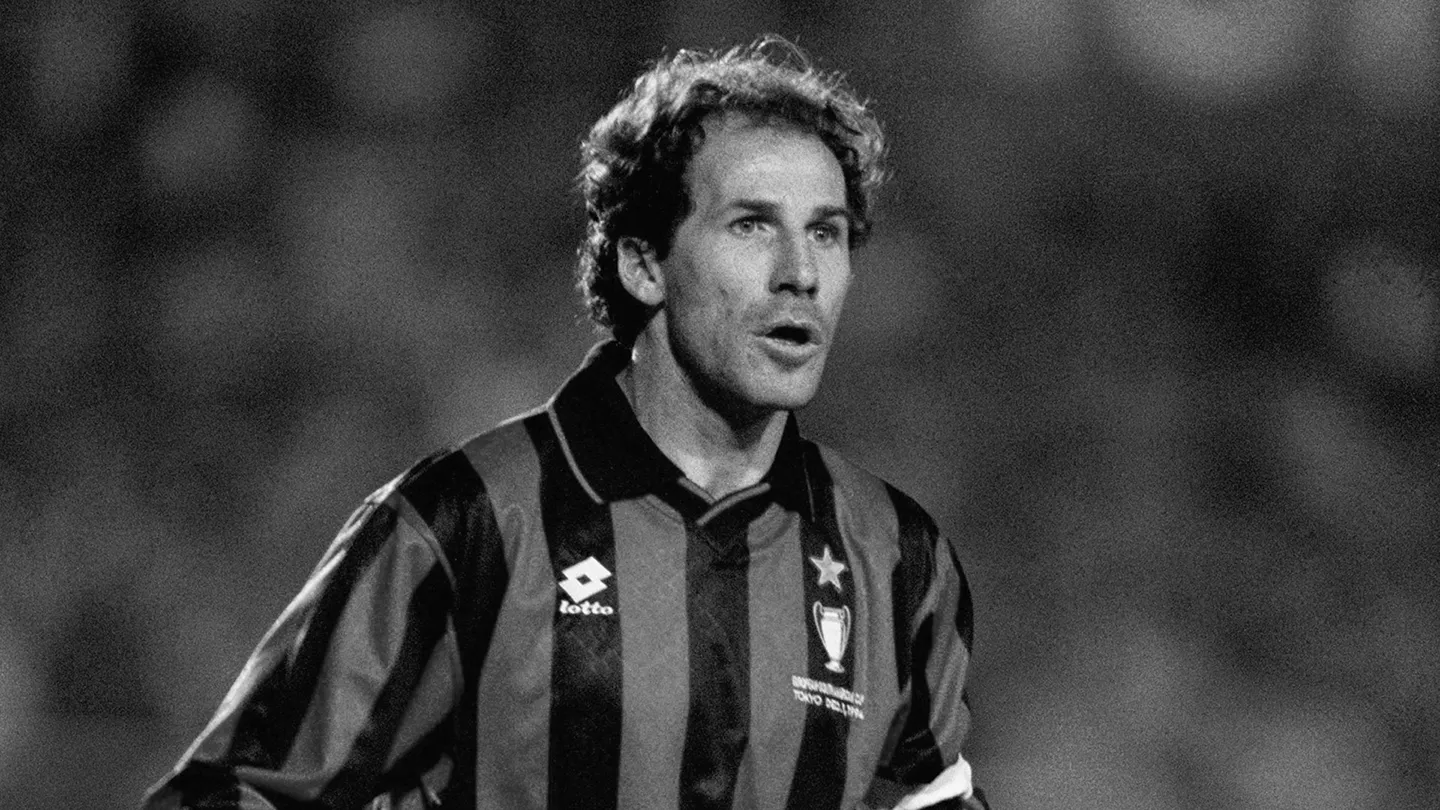
- Death of a Legend: Franco Baresi passed away on July 31, 2026, at the age of 66, following a brave battle with illness at the Humanitas clinic in Rozzano.
- A One-Club Icon: He dedicated his entire 20-year career to AC Milan, making 716 appearances and winning six Serie A titles alongside three European Cups.
- International Hero: A 1982 World Cup winner, his 1994 performance remains the ultimate benchmark for defensive resilience and captaincy.
The global football community stands in solemn silence today as we process the news that Franco Baresi has passed away at the age of 66. He was not merely a defender but the very soul of the Rossoneri, a man whose presence on the pitch offered a masterclass in tactical intelligence and quiet leadership.
When did Franco Baresi pass away and what was the cause?
On July 31, 2026, the news broke from the Humanitas clinic in Rozzano that the legendary defender had succumbed to a prolonged illness. This battle began in August 2025, following the removal of a lung nodule, a procedure that led to a difficult recovery period for the Italian icon.
The reaction was instantaneous, with flags at the Casa Milan flying at half-mast and the football world expressing a deep, collective grief. AC Milan released a poignant statement that captured the gravity of the moment for everyone connected to the club.
ALSO READ: Neymar Girlfriend: Bruna Biancardi, Family Life, and Her Independent Empire
The club stated: “The entire history of AC Milan is in tears following the passing of Franco Baresi. His example and integrity will forever remain engraved in the DNA of the Club, just like his iconic shirt with the number 6.”
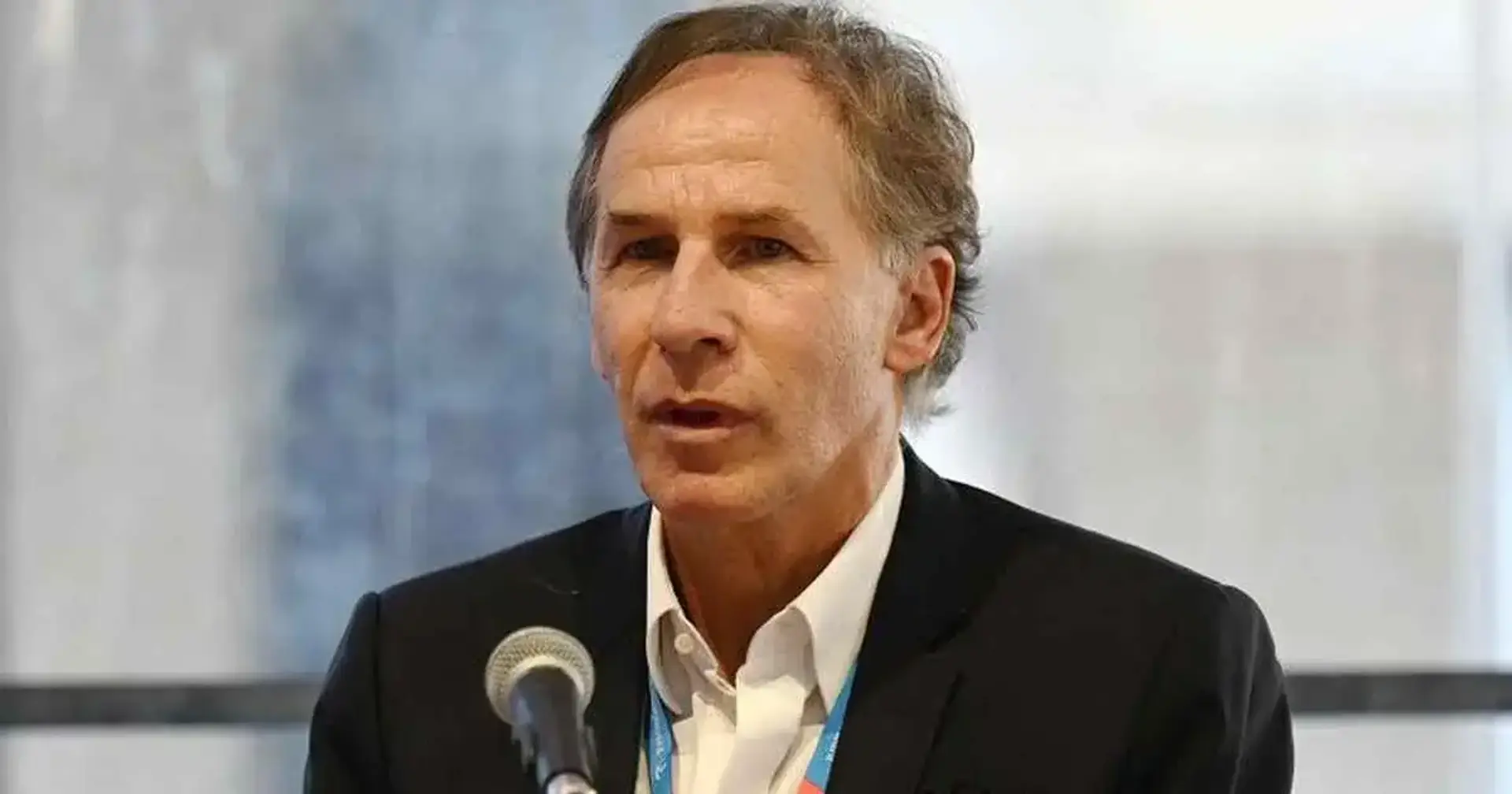
Despite his health struggles, his final year was marked by moments of immense public affection and dignity. In February 2026, he moved the world as a torchbearer during the opening ceremony of the Milano Cortina Winter Olympics at the San Siro.
Why did Franco Baresi remain loyal to AC Milan through relegation?
In an era where player movement is dictated by financial gain, the career of Franco Baresi stands as a rare pillar of absolute loyalty. Born on May 8, 1960, in Travagliato, he joined the Milan youth system in 1974 and never looked back.
He made his senior debut in 1978 and remarkably became the club captain at just 22 years of age. He would go on to hold that armband for 15 consecutive seasons, a record that defined the club’s golden era.
ALSO READ: Roberto Mancini Italy Return: Euro 2020 Winner Back as Coach
His loyalty was tested most severely during the early 1980s when Milan suffered two relegations to Serie B. While other stars fled for the safety of top-flight football, he remained at the heart of the defense, guiding the club back to its rightful place.
This steadfast commitment laid the foundation for the dominance that followed under Arrigo Sacchi and Fabio Capello. During his 20-year tenure from 1977 to 1997, Franco Baresi amassed an incredible trophy cabinet that solidified his status as a winner.
His club honors include:
- 6 Serie A titles (1978–79, 1987–88, 1991–92, 1992–93, 1993–94, 1995–96)
- 3 European Cups / UEFA Champions Leagues (1988–89, 1989–90, 1993–94)
- 4 Italian Super Cups
- 3 UEFA Super Cups
The partnership he formed with Paolo Maldini, Alessandro Costacurta, and Mauro Tassotti is widely regarded as the greatest defensive unit in the history of the sport. They operated with a telepathic understanding, turning the offside trap into a psychological weapon against the world’s best attackers.
How did the 1994 World Cup final define his international legacy?
While his club career was flawless, his international journey with the Azzurri was a saga of immense highs and heartbreaking near-misses. He earned 81 caps for Italy, beginning with his role as a young squad member in the 1982 FIFA World Cup-winning team.
However, the 1994 World Cup in the United States provided the most heroic chapter of his career. After suffering a meniscus injury in the group stages, most experts assumed his tournament was over.
ALSO READ: Roberto Mancini Career: From City Glory to Azzurri Rebuild
In a feat of medical and physical defiance, he underwent surgery and returned to the pitch just 25 days later for the final against Brazil. He played 120 scoreless minutes, shackling the legendary duo of Romário and Bebeto with a performance of pure clinical precision.
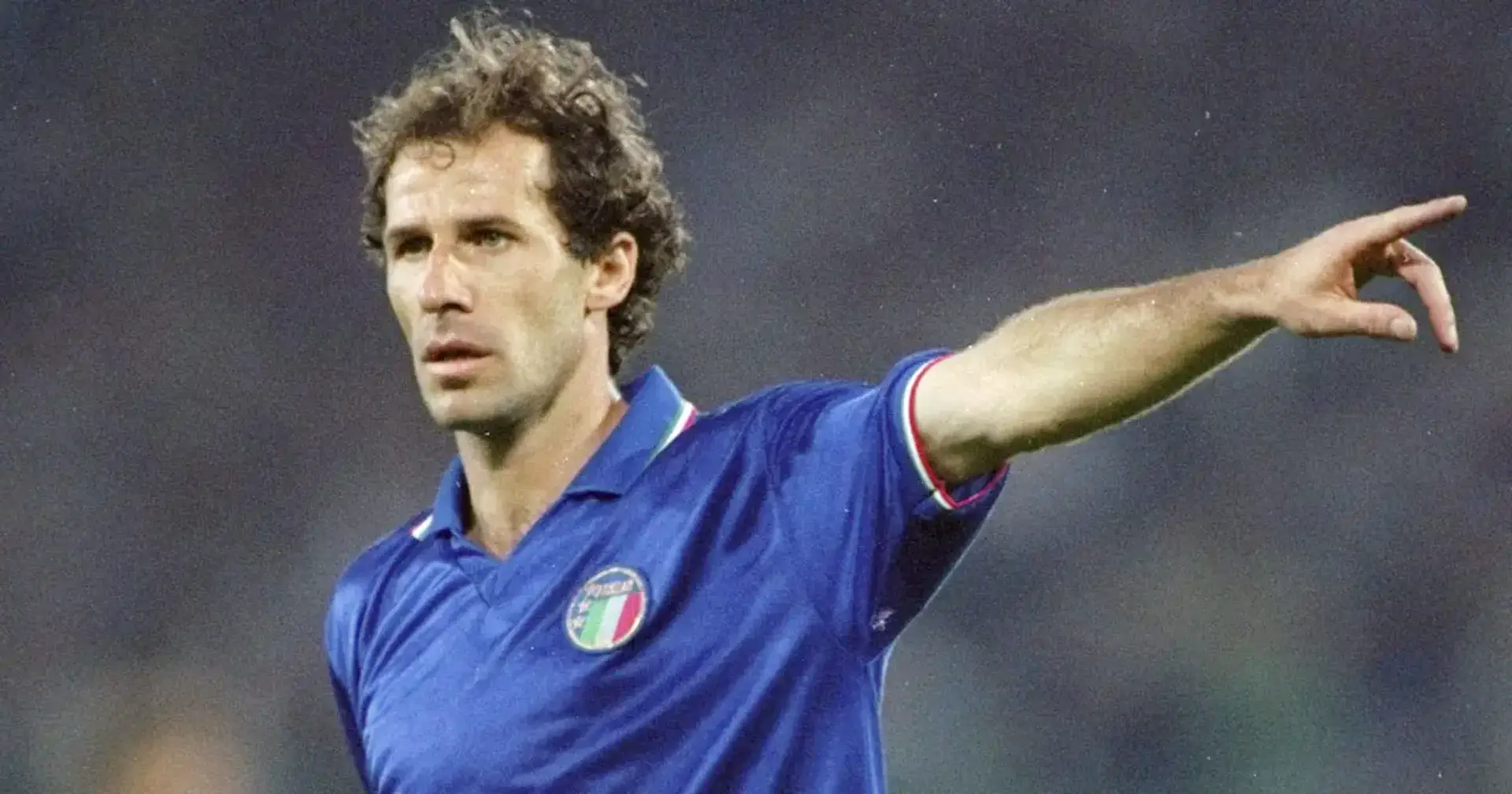
Though Italy eventually lost on penalties, the image of their captain leading from the front after such a traumatic injury remains a defining image of the sport. It was the ultimate proof of his mental fortitude and tactical genius.
What is the tactical impact of the Baresi School on modern 2026 defenders?
To understand his greatness, one must examine his role as a “Libero” or sweeper. He revolutionized the position by combining brute defensive strength with the vision of a deep-lying playmaker.
He was often the one to start attacks, stepping out of the defensive line with the ball at his feet to pick apart midfields. In the current 2026 season, we see his influence in defenders who are expected to be the primary distributors of the ball.
Modern high-line defenses owe a debt to his mastery of the offside trap. He was the conductor of a defensive orchestra, using a single raised hand to signal his line to push forward with perfect synchronicity.
| Era | Defensive Role | Key Attribute |
|---|---|---|
| Pre-1980s | Pure Stopper | Physicality |
| The Baresi Era | The Libero | Anticipation & Vision |
| Modern 2026 | Ball-Playing Center Back | Distribution & Pace |
How does the Kenyan AC Milan fan base remember the Great Captain?
In Kenya, the name of the immortal captain carries a specific weight of nostalgia and respect. For many fans in Nairobi and Mombasa, the Italian Serie A was the first window into elite European football during the 1990s.
Fans who grew up watching KBC broadcasts remember the sheer discipline of the Milan backline. For local supporters, he represented the idea that a defender could be just as iconic as a striker like George Weah or Marco van Basten.
Following the news of his passing, local fan groups have organized tributes across social media platforms. The sentiment is one of gratitude for the lessons in loyalty he provided to a generation of aspiring Kenyan footballers.
At the recently concluded 2026 World Cup viewing zones in Nairobi, veterans of the game were often seen comparing current defenders to the standard set by the Milan legend. His passing marks the end of an era for those who fell in love with the “Gre-No-Li” history and the subsequent dominance of the 90s.
What were his final contributions as AC Milan Honorary Vice-President?
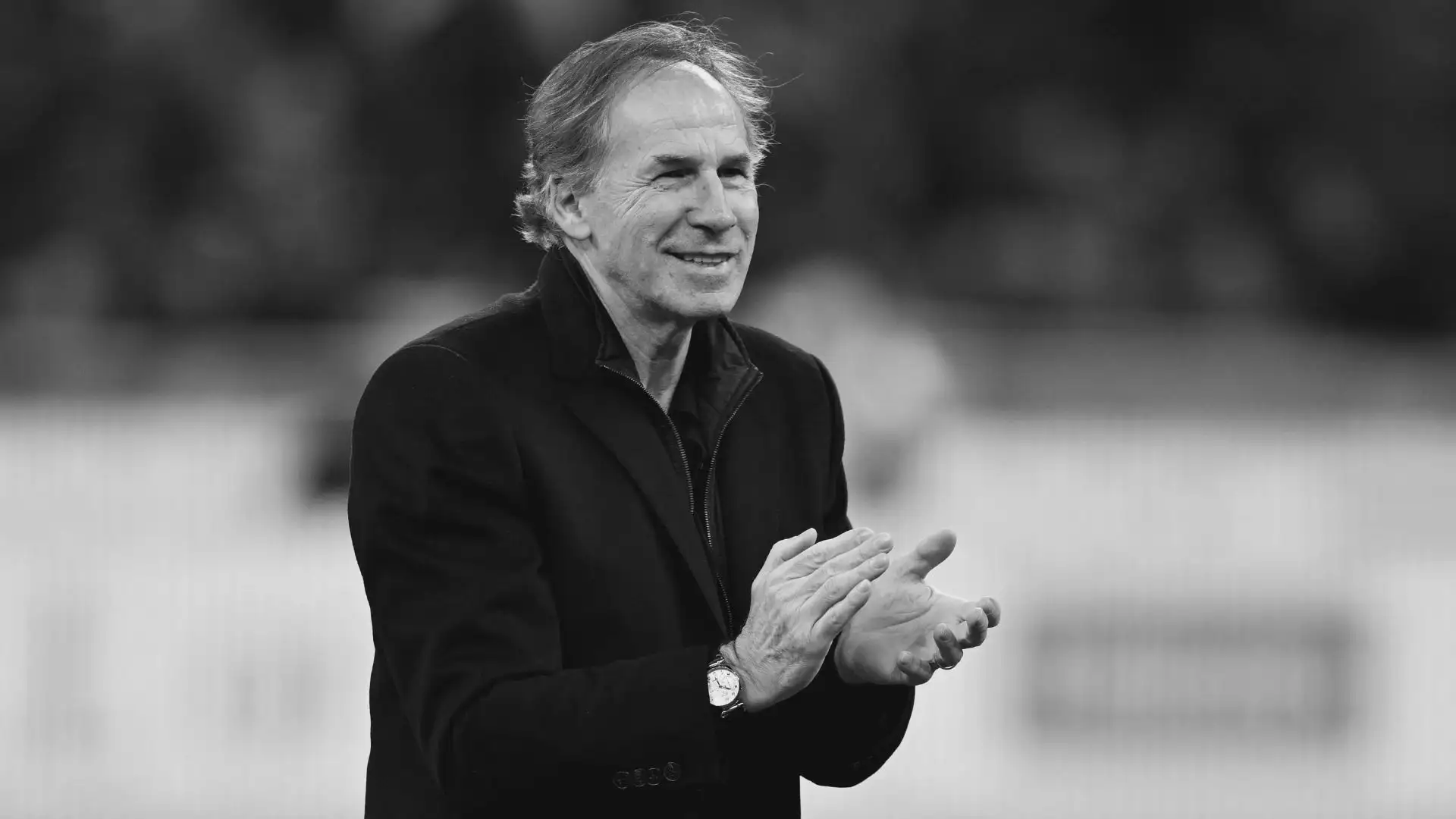
After retiring from active play, his connection to the club never wavered. In 2020, he was named Honorary Vice-President, a role he took with characteristic seriousness and grace.
He served as a bridge between the glorious past and the modern ambitions of the club under current ownership. His presence in the dressing room was a constant reminder of the standards required to wear the red and black jersey.
In his final years, he was heavily involved in the Milan Foundation and youth development programs. He believed that the club’s values were just as important as the tactics employed on the field.
His role in the 2026 Winter Olympics opening ceremony was his final gift to the city he loved. Standing in the center of the San Siro, he represented the enduring spirit of Milanese sport to a global audience of millions.
Why was the retirement of the number 6 jersey a historic moment?
When he hung up his boots in 1997, AC Milan made a decision that was unprecedented in their long and storied history. They retired the number 6 jersey permanently, ensuring that no other player would ever wear his number again.
This was the first time the club had ever retired a number, a gesture that spoke volumes about his impact. It was a recognition that his contribution to the club was singular and could never be replicated.
The number 6 became a symbol of perfection in the art of defending. It represented twenty years of sweat, blood, and an unbreakable bond between a man and his club.
To this day, the sight of that jersey hanging in the club museum inspires awe in visitors. It serves as a permanent proof of what can be achieved through talent combined with an unwavering sense of duty.
SportsLeo Forecast for AC Milan (Next 12 Months)
The passing of the Great Captain will undoubtedly serve as a massive emotional catalyst for the current squad. Expect AC Milan to play the 2026/27 season with a renewed sense of defensive purpose, perhaps as a direct tribute to his legacy.
People Also Ask (FAQ)
When did Franco Baresi retire from professional football?
He retired from professional football in 1997 after spending his entire 20-year senior career with AC Milan.
How many times did he win the Champions League?
He won the European Cup/UEFA Champions League three times, with victories in the 1988–89, 1989–90, and 1993–94 seasons.
What was his role with the Italian national team in 1982?
He was a member of the Italian squad that won the 1982 FIFA World Cup, though he did not see game time during that specific tournament as a young player.
Is Franco Baresi related to Giuseppe Baresi?
Yes, he is the younger brother of Giuseppe Baresi, who was also a professional footballer and a legendary captain for Milan’s rivals, Inter Milan.
Where was he treated during his final illness?
He was treated at the Humanitas clinic in Rozzano, located near the city of Milan, where he passed away on July 31, 2026.