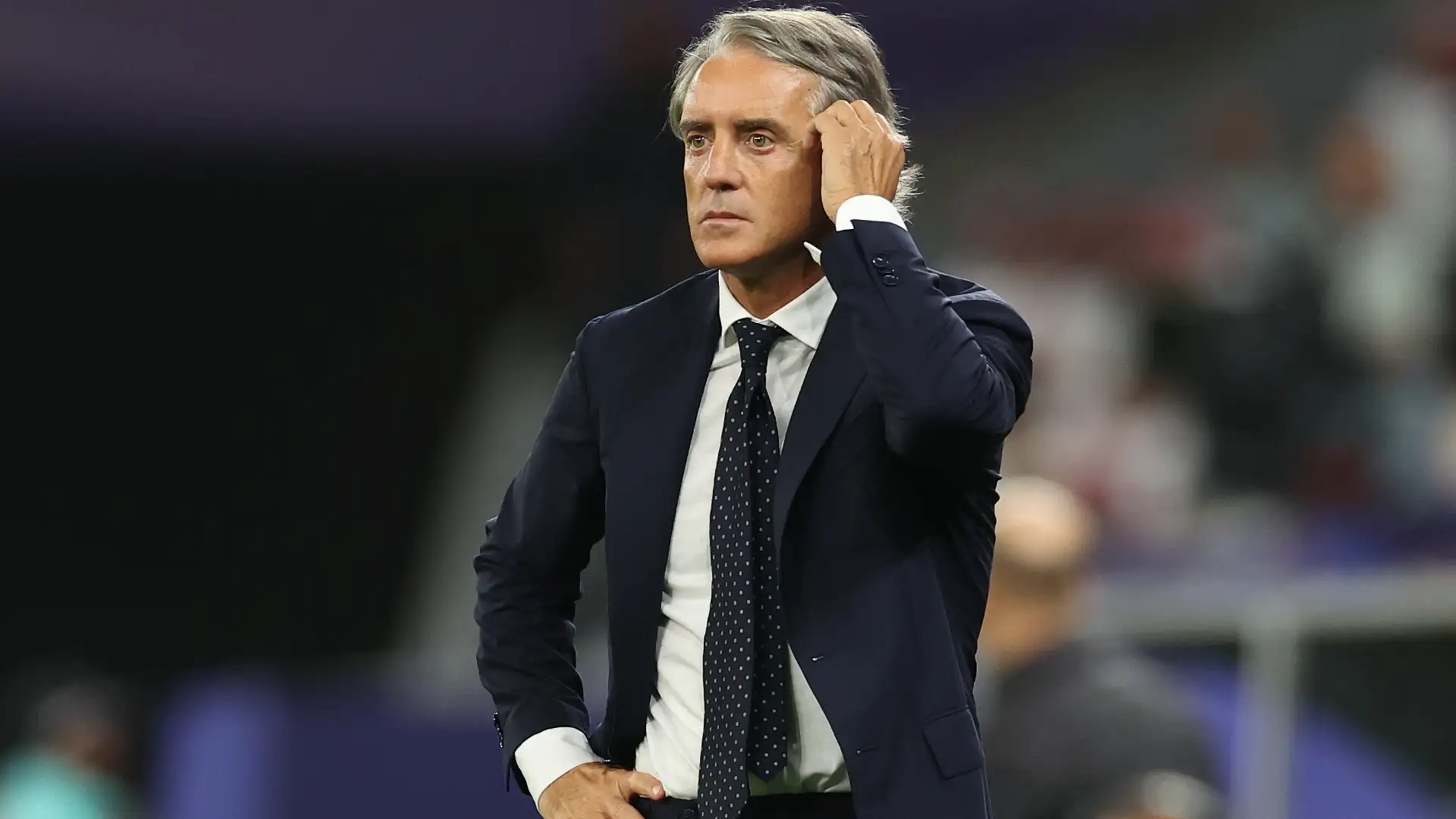
- The Second Coming: On July 28, 2026, the FIGC officially re-appointed Roberto Mancini as Italy’s head coach following Gennaro Gattuso’s departure.
- Tactical Leadership: Mancini returns alongside Technical Director Claudio Ranieri to spearhead a radical tactical overhaul targeting the 2030 FIFA World Cup.
- Elite Pedigree: With 15 major trophies across three decades, the roberto mancini career remains one of the most decorated in modern football history.
Table of Contents
Why did the FIGC turn to Mancini in July 2026?
The Italian football landscape shifted dramatically on July 28, 2026. Following the exit of Gennaro Gattuso, the FIGC sought a steady hand to navigate the transition toward Euro 2028.
While rumors swirled about Pep Guardiola taking over following his departure from Manchester City, the Spaniard opted for a family sabbatical. This opened the door for a sensational return for a man whose name is synonymous with Italian resilience.
ALSO READ: Italy New Head Coach: How Roberto Mancini Returned After Chaos, Rejections, and Controversy
The Roberto Mancini career has always been defined by high-stakes challenges. By pairing him with the legendary Claudio Ranieri as Technical Director, Italy aims to blend structural wisdom with Mancini’s proven ability to integrate youth talent.
How did the early Roberto Mancini career define his tactical identity at Fiorentina and Lazio?
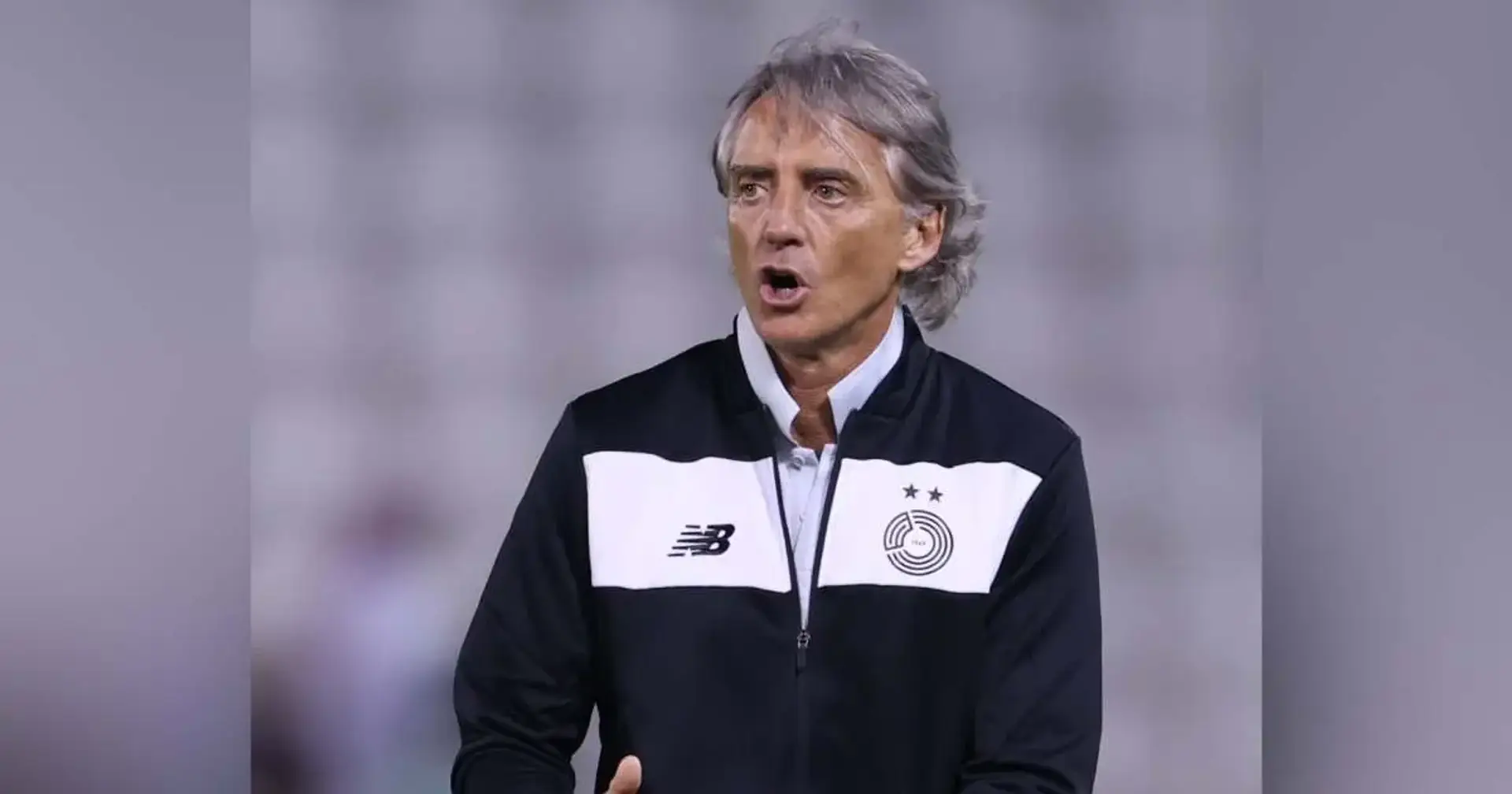
Before the billion-dollar squads of Manchester, Mancini proved his mettle in the fires of financial instability. His coaching debut at Fiorentina in 2001 remains a masterclass in man-management during a crisis.
Despite the club’s impending financial collapse, Mancini guided the Viola to a 2000–01 Coppa Italia title. This early success highlighted his preference for a fluid 4-4-2 that emphasized wing play and technical security in midfield.
ALSO READ: Zinedine Zidane Teams Coached: From Real Madrid Stints to France National Team
His subsequent move to Lazio cemented his reputation as a “Cup King.” Securing the 2003–04 Coppa Italia amidst a rigorous squad downsizing proved that his tactical systems were adaptable regardless of the budget provided.
How did Mancini achieve domestic dominance with Inter Milan?
The mid-2000s saw Mancini transform Inter Milan from perennial underachievers into an unstoppable domestic juggernaut. His first tenure at the San Siro brought three consecutive Serie A Scudetti between 2005 and 2008.
The 2006–07 campaign remains a statistical anomaly in Italian football history. Mancini led the Nerazzurri to 17 consecutive Serie A wins, finishing the season with a staggering 97 points.
ALSO READ: The Rise of Yan Diomande: How a Florida Academy Prospect Captured Real Madrid
During this era, Mancini frequently deployed a robust 4-3-1-2 diamond midfield that got the absolute best out of Zlatan Ibrahimović as the focal point of Inter’s attack. Balancing Javier Zanetti’s defensive discipline with elite offensive flair allowed Mancini to dominate Serie A and secure three consecutive Scudetti, even if European success ultimately eluded his squad.
What were the key metrics of the 2006-2007 season?
Inter maintained remarkable domestic dominance during Mancini’s first stint (2004–2008), pairing potent attacking output with exceptional defensive discipline. While his second spell at Inter (2014–2016) did not yield trophies, it helped stabilize the club. Mancini focused on squad restructuring, naming young striker Mauro Icardi as club captain and building the team’s attack around him.
What impact did Mancini have on the modern Manchester City dynasty?
When discussing the roberto mancini career, his time at Manchester City is often viewed as the catalyst for the club’s current global dominance. He arrived in December 2009 with the mission to break the “noisy neighbors” tag.
The 2011 FA Cup victory was the watershed moment, ending a 35-year trophy drought for the blue side of Manchester. Mancini replaced the “losing culture” with an uncompromising demand for tactical perfection and physical fitness.
ALSO READ: The Mark van Bommel Story: 4 European Leagues, Elite Leadership, and Tactical Mastery
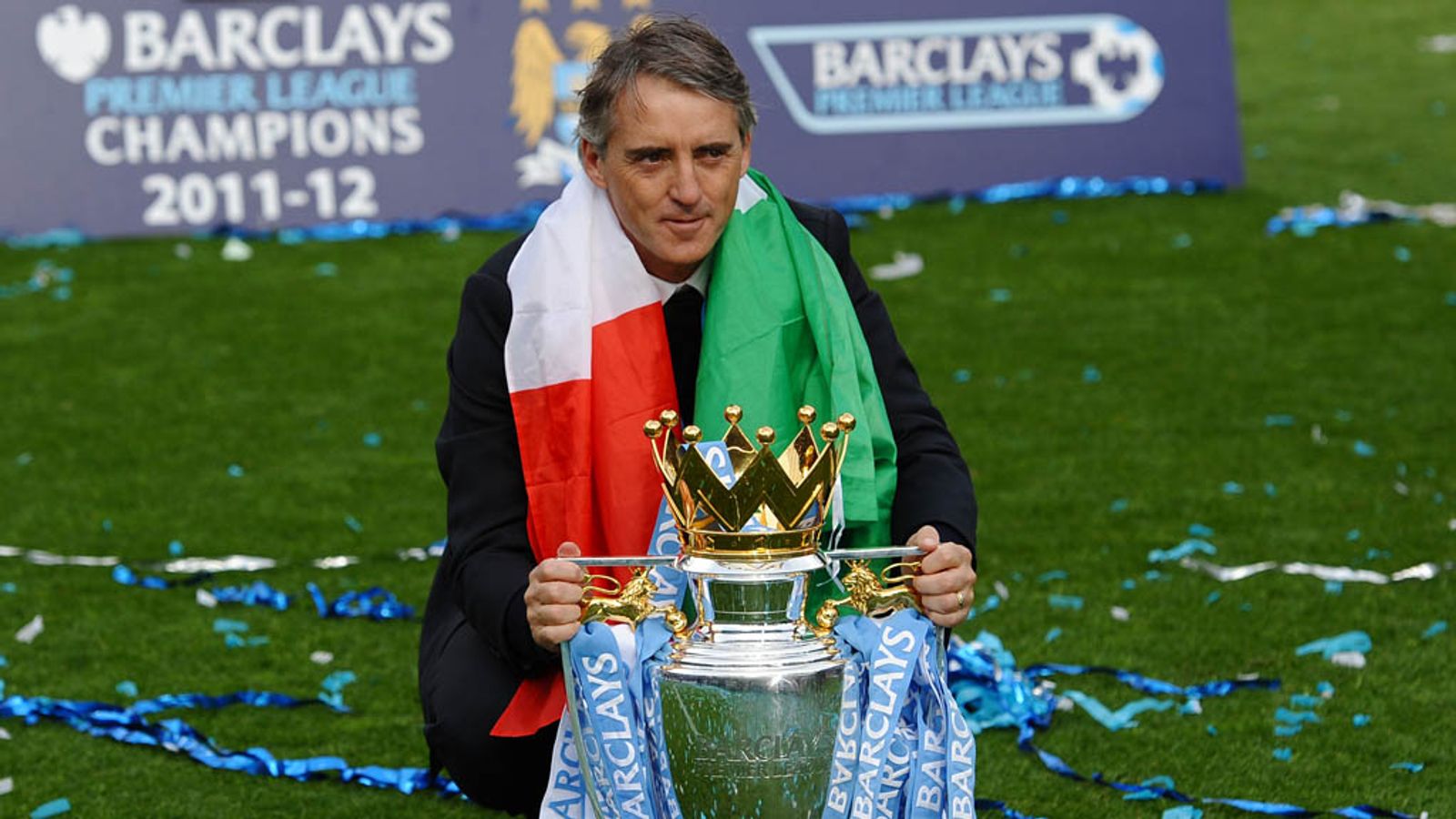
The 2011–12 Premier League title win remains the most dramatic conclusion to a season in football history. Beyond Agüero’s iconic last-gasp winner, Roberto Mancini’s side built their title campaign on absolute home dominance, winning 18 of their 19 league matches at the Etihad Stadium and scoring 55 goals.
How did Mancini’s City compare to the current Enzo Maresca era?
While current tactical setups emphasize high-volume possession and positional structure, Mancini’s 2011–12 City side blended technical control with explosive dynamic transitions. Powered by the driving midfield runs of Yaya Touré and the creative movement of David Silva, City dominated possession (~58.4%) while maintaining the physical power to break down deep defensive blocks.
| Metric | Roberto Mancini (Man City 2011–12) | Tactical Profile Note |
| Avg. Possession | 58.4% | High control in a 4-2-3-1 / 4-4-2 setup |
| Goals Scored | 93 | Highest in Premier League that season |
| Clean Sheets | 17 | Golden Glove winner (Joe Hart) |
Was the first Azzurri era the ultimate peak of his coaching life?
Mancini took over an Italian national team at its lowest point in 2018, following their failure to qualify for the World Cup. He revolutionized the Italian identity, moving away from “Catenaccio” toward a proactive, attacking 4-3-3.
This tactical shift resulted in a world-record 37-match unbeaten streak. The pinnacle was the UEFA Euro 2020 victory at Wembley, where Italy’s midfield of Jorginho, Verratti, and Barella controlled 62% of possession against England.
However, the roberto mancini career has always been a journey of peaks and valleys. The failure to qualify for the 2022 World Cup after a shock loss to North Macedonia remains a dark spot, leading to his eventual departure for stints in Saudi Arabia and Al-Sadd.
How do Kenyan football fans view the Mancini legacy?
In Nairobi and Mombasa, the Mancini name carries significant weight among the “Blue Moon” faithful. Many Kenyan fans began supporting Manchester City during the 2011-2012 season, drawn to the drama of the Mancini era.
Local sports bars often host debates comparing Mancini’s defensive grit to the fluid aesthetics of the modern era. The “Mancini Scarf” became a fashion statement in Kenyan football circles during his time in the Premier League, symbolizing the arrival of a new power in football.
Social media sentiment in Kenya following his 2026 re-appointment has been overwhelmingly positive. Fans on X (formerly Twitter) and Facebook groups across the 254 have expressed excitement about a “Return of the King” narrative, especially with the 2030 World Cup in sight.
Can the Mancini-Ranieri partnership secure the 2030 World Cup?
The decision to appoint Claudio Ranieri as Technical Director is a strategic masterstroke by the FIGC. While Mancini handles the day-to-day tactical drills, Ranieri is tasked with restructuring the youth academies across Italy.
The goal is to produce players who fit the “Mancini Mold”: technically gifted, physically robust, and tactically flexible. The integration of 20-year-old talents from the Under-21 squads is already underway, with Mancini personally scouting 12 Serie A matches in his first week back.
The “SportsLeo Forecast” predicts that Italy will adopt a more vertical passing style in late 2026, aimed at utilizing the pace of modern wingers. This shift is designed to counter the high-pressing systems currently dominating European international football..
What are the final statistics of his managerial journey?
To understand the full scope of the roberto mancini career, one must look at the consistency of his trophy hauls. He has managed over 850 professional matches, maintaining a win percentage of approximately 55% across all competitions.
| Team | Tenure | Matches Managed | Major Trophies |
|---|---|---|---|
| Fiorentina | 2001–2002 | 44 | 1 |
| Lazio | 2002–2004 | 102 | 1 |
| Inter Milan | 2004–08 / 14–16 | 303 | 7 |
| Manchester City | 2009–2013 | 191 | 3 |
| Galatasaray | 2013–2014 | 46 | 1 |
| Italy (Term 1) | 2018–2023 | 61 | 1 |
| Italy (Term 2) | 2026–Present | 0 | – |
As the roberto mancini career enters its most critical phase, the footballing world watches to see if the “Mancini Magic” can spark one final renaissance for the Azzurri. With a total of 15 major trophies already in the bag, any further success would cement him as the greatest Italian manager of the 21st century.
People Also Ask
What teams did Roberto Mancini play for?
As a player, Roberto Mancini was a legendary forward who spent the bulk of his career at Sampdoria (1982–1997), where he won Serie A and the European Cup Winners’ Cup. He also had successful spells at Lazio and a very brief loan stint at Leicester City in the Premier League.
Why did Mancini leave Italy in 2023?
Mancini resigned from the Italy national team in August 2023, citing personal reasons and a desire for a new challenge. Shortly after, he accepted a lucrative offer to coach the Saudi Arabia national team, before eventually moving to Al-Sadd and then returning to Italy in 2026.
Did Mancini ever play in the Premier League?
Yes, Roberto Mancini had a short spell in the Premier League as a player. In January 2001, at the age of 36, he joined Leicester City on loan from Lazio, making five appearances before retiring to start his coaching career at Fiorentina.
What trophies has Mancini won as manager?
Roberto Mancini has won 15 major trophies: 3 Serie A titles, 4 Coppa Italia titles, 2 Supercoppa Italiana titles, 1 Premier League title, 1 FA Cup, 1 FA Community Shield, 1 Turkish Cup, and the UEFA Euro 2020 championship.