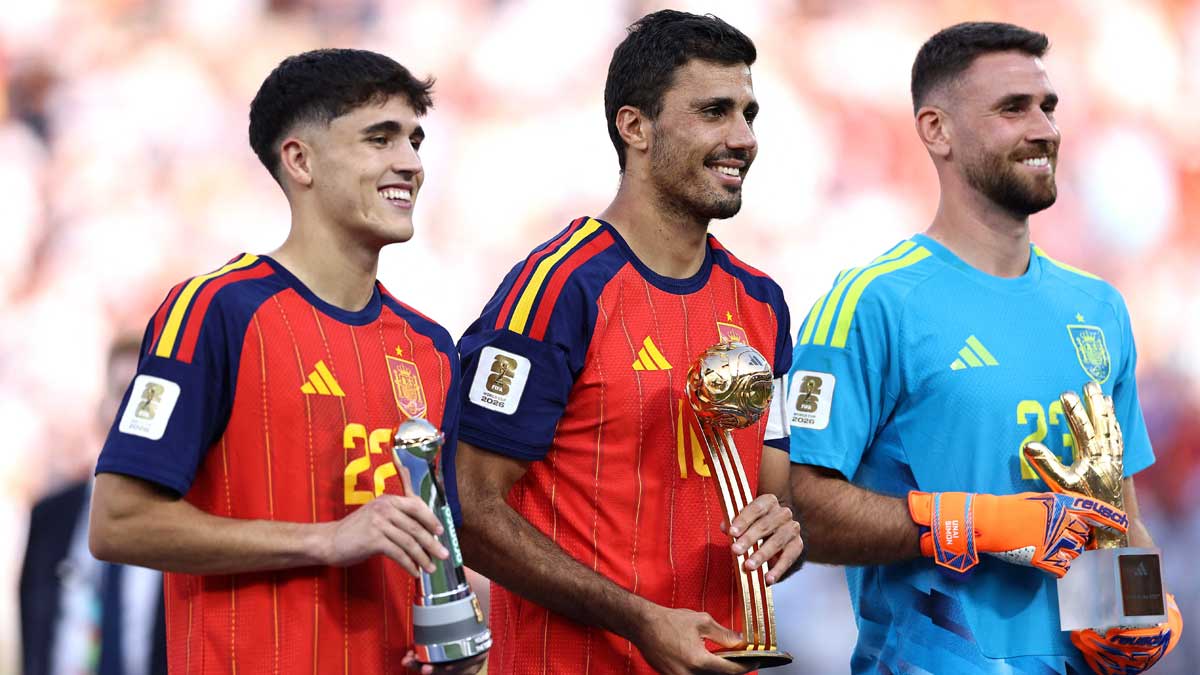

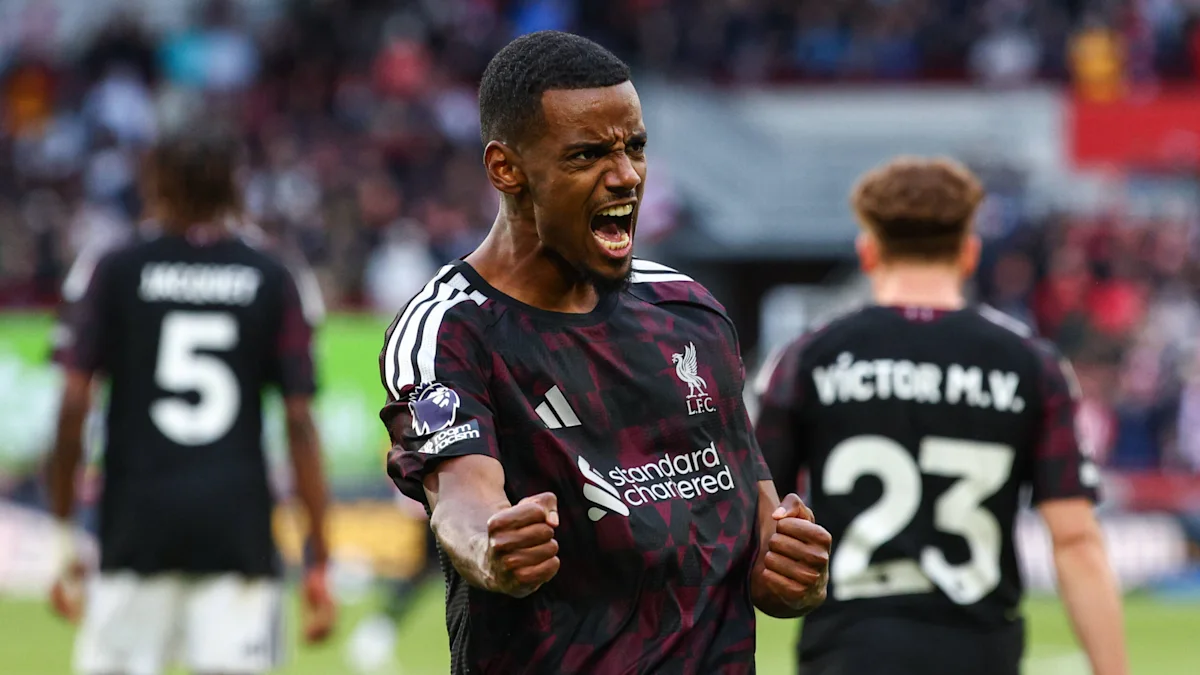
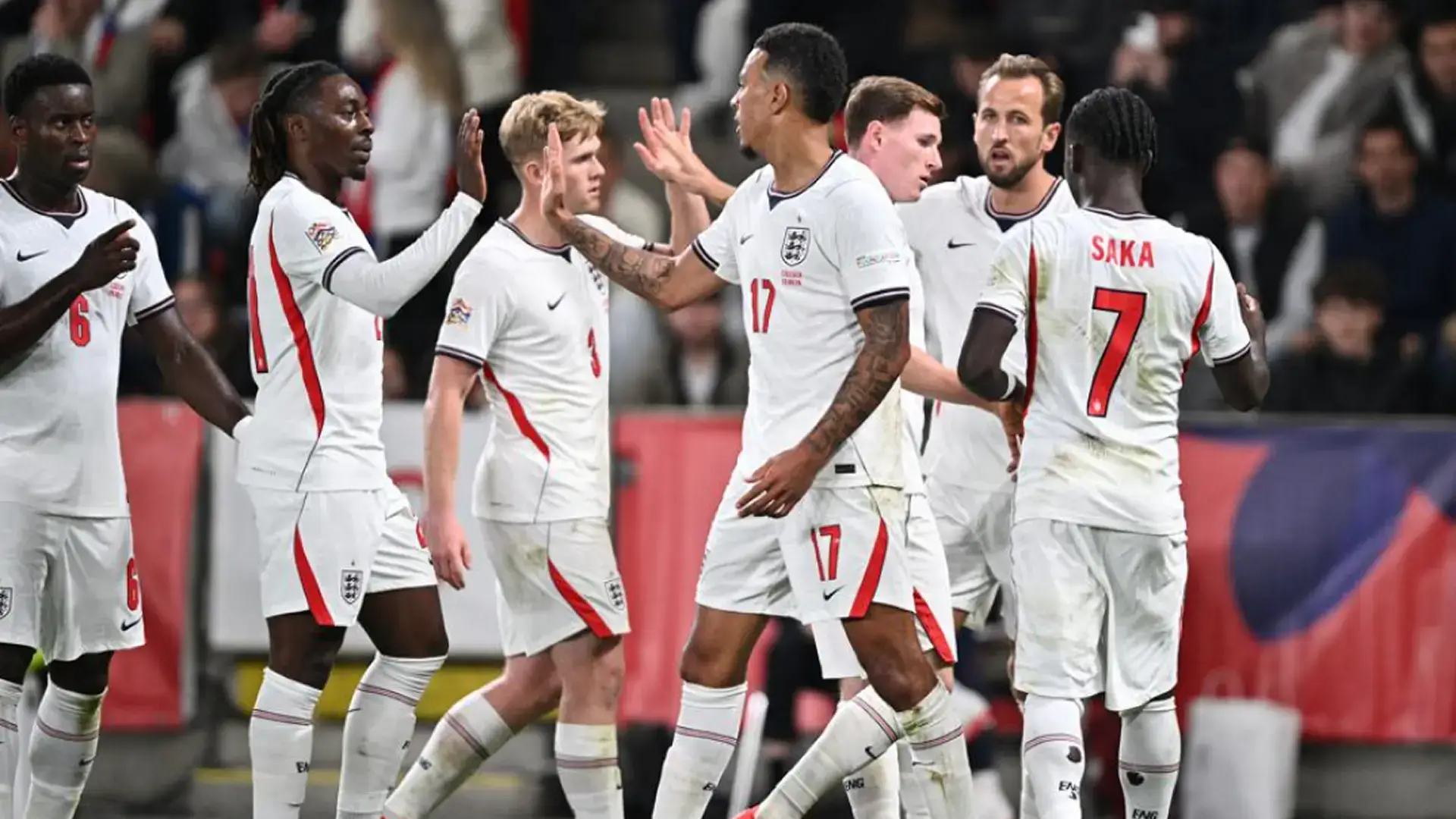

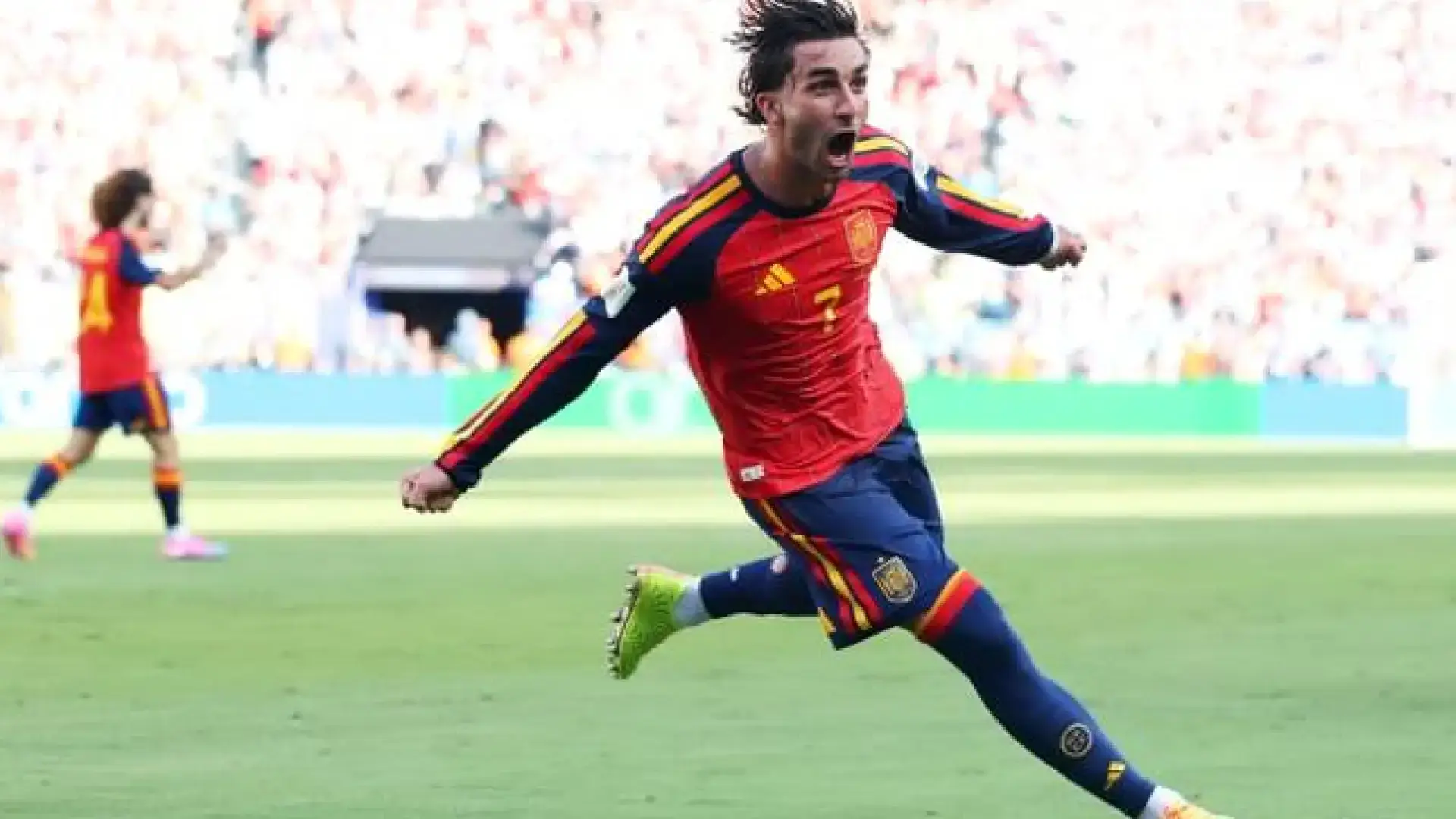


- Harry Kane’s Historic Output: With 61 goals in a single season for Bayern Munich, Kane has produced the most prolific individual club campaign in a decade, securing three trophies in Germany.
- Messi’s World Cup Resurrection: Despite playing in MLS, Lionel Messi has surged back into contention by leading Argentina to another World Cup final, currently tied as the tournament’s top scorer with 8 goals.
- The Youth Revolution: 19-year-old Lamine Yamal stands on the verge of becoming the youngest winner ever, while reigning holder Ousmane Dembele sees his chances slip following France’s semi-final exit.
Table of Contents
The race for the favorites to win Ballon d’Or 2026 has been completely ignited by the chaotic events unfolding across North American stadiums this summer. While domestic seasons once provided the primary blueprint for greatness, the 2026 World Cup has acted as a violent disruptor, shifting the narrative overnight. We are witnessing a collision between the clinical, sustained excellence of European club football and the sheer, unadulterated romance of international glory.
ALSO READ: England vs Argentina 1-2: Messi Magic and Tuchel’s Tactical Blunder Shatter English Dreams
Harry Kane arrived in the United States carrying the heaviest statistical portfolio since the prime years of the Messi-Ronaldo duopoly. His season in Bavaria was nothing short of a goal-scoring massacre, yet as the dust settles on the semi-finals, the shadow of a 39-year-old icon looms larger than ever. Lionel Messi is no longer just a participant; he is a force of nature threatening to rewrite the record books one final time.
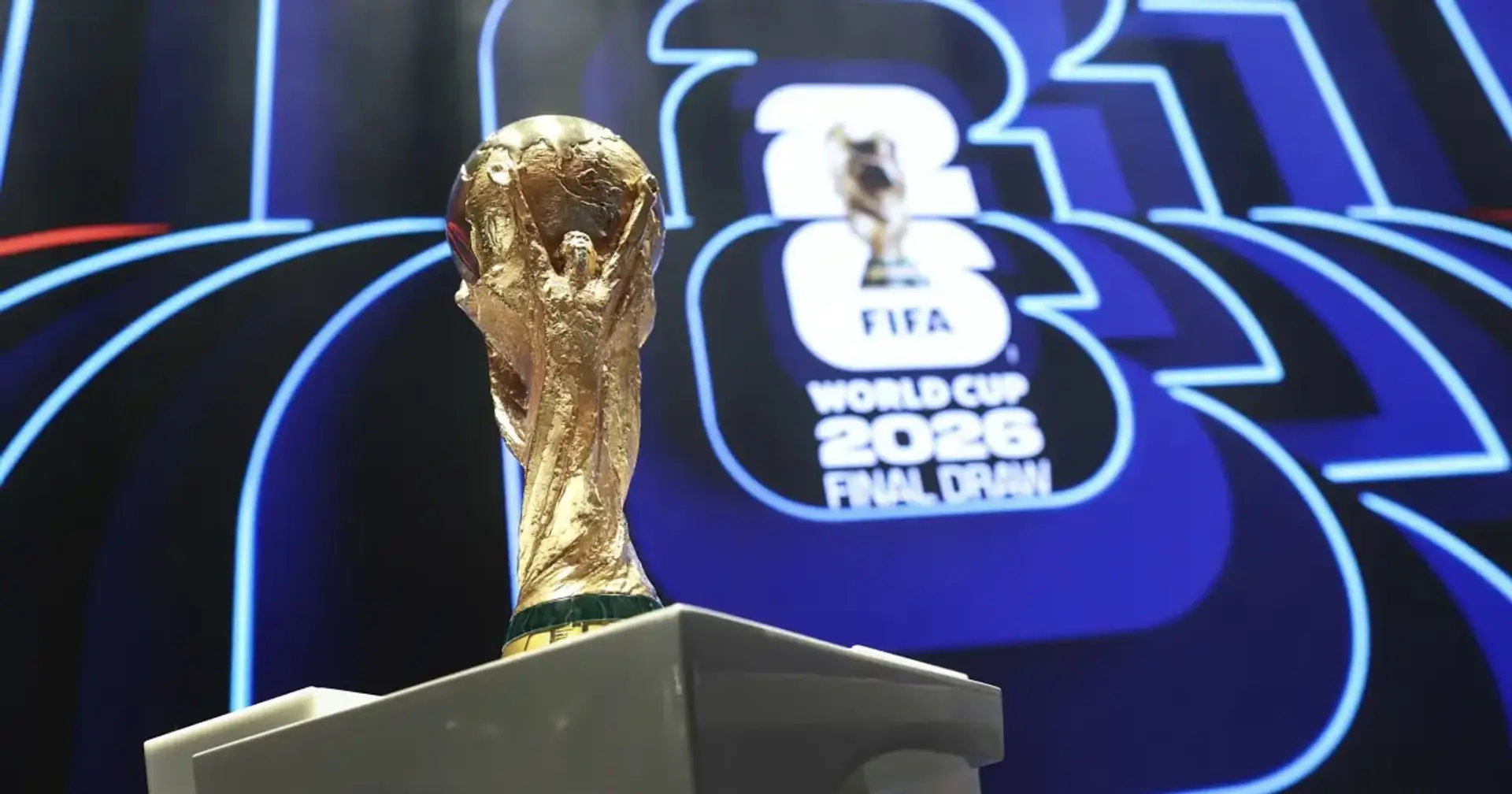
This is not merely an award for the best player; it is a battle for the soul of the sport’s most prestigious individual honor. Does a 61-goal season at the highest level of European football outweigh a legendary three-week sprint in the World Cup? The voters are currently facing a dilemma that could define the award’s criteria for the next decade.
Will International Magic Overpower Club Dominance?
Harry Kane’s 2025/26 campaign with Bayern Munich was a masterclass in positional discipline and elite finishing. Across 51 games, the England captain hammered home 61 goals, a figure that seems pulled from a video game. He didn’t just score; he led Bayern to a domestic treble, clinching the Bundesliga, the German Cup, and the German Super Cup. His record-breaking efficiency made him the undisputed frontrunner as the domestic season closed.
However, the World Cup semi-finals introduced a cruel twist to the plot. England’s exit at the hands of Argentina felt like a symbolic passing of the torch—or perhaps a refusal to let go of it. While Kane managed 6 goals in the tournament, his inability to push the Three Lions into the final has opened a door that Lionel Messi is currently kicking down with both feet. The narrative arc of Messi leading Argentina to a second consecutive final at age 39 is a story that voters find nearly impossible to ignore.
ALSO READ: Youri Tielemans Manchester United: Red Devils Sign Belgian Midfielder
Messi’s tournament has been a vintage display of “economy of movement.” He doesn’t run the most, but he produces the most. With 8 goals and two vital assists in the semi-final win over England, he has turned the favorites to win Ballon d’Or 2026 conversation into a referendum on his greatness. If he lifts the trophy in the final, his 9th Ballon d’Or becomes an almost statistical certainty, regardless of Kane’s 61 club goals.
The contrast is stark. Kane represents the modern professional—a goal-scoring machine who conquered a major league. Messi represents the immortal—a player who can dormant for 80 minutes and then produce two moments of genius that decide the fate of a nation. It is the classic debate: the body of work versus the peak moment.
Why are these the favorites to win Ballon d’Or 2026?
To understand why these players are the favorites to win Ballon d’Or 2026, we must look at the seismic shift in how the award is perceived in a World Cup year. The criteria have always favored those who perform on the biggest stage, and there is no stage larger than a World Cup final. This year, the domestic achievements of players like Ousmane Dembele and Jude Bellingham have been relegated to the background by the drama in North America.
ALSO READ: “My Back Is Gone”: Latest Updates on the William Saliba Injury and Surgery Rumors
Harry Kane’s position is fortified by pure volume. Scoring 61 goals is an achievement that usually guarantees the award in a non-tournament year. His impact at Bayern Munich transformed the club’s identity, moving them away from the uncertainty of previous seasons into a period of total domestic dominance. He is the standard-bearer for club excellence, and for many, that should be enough.
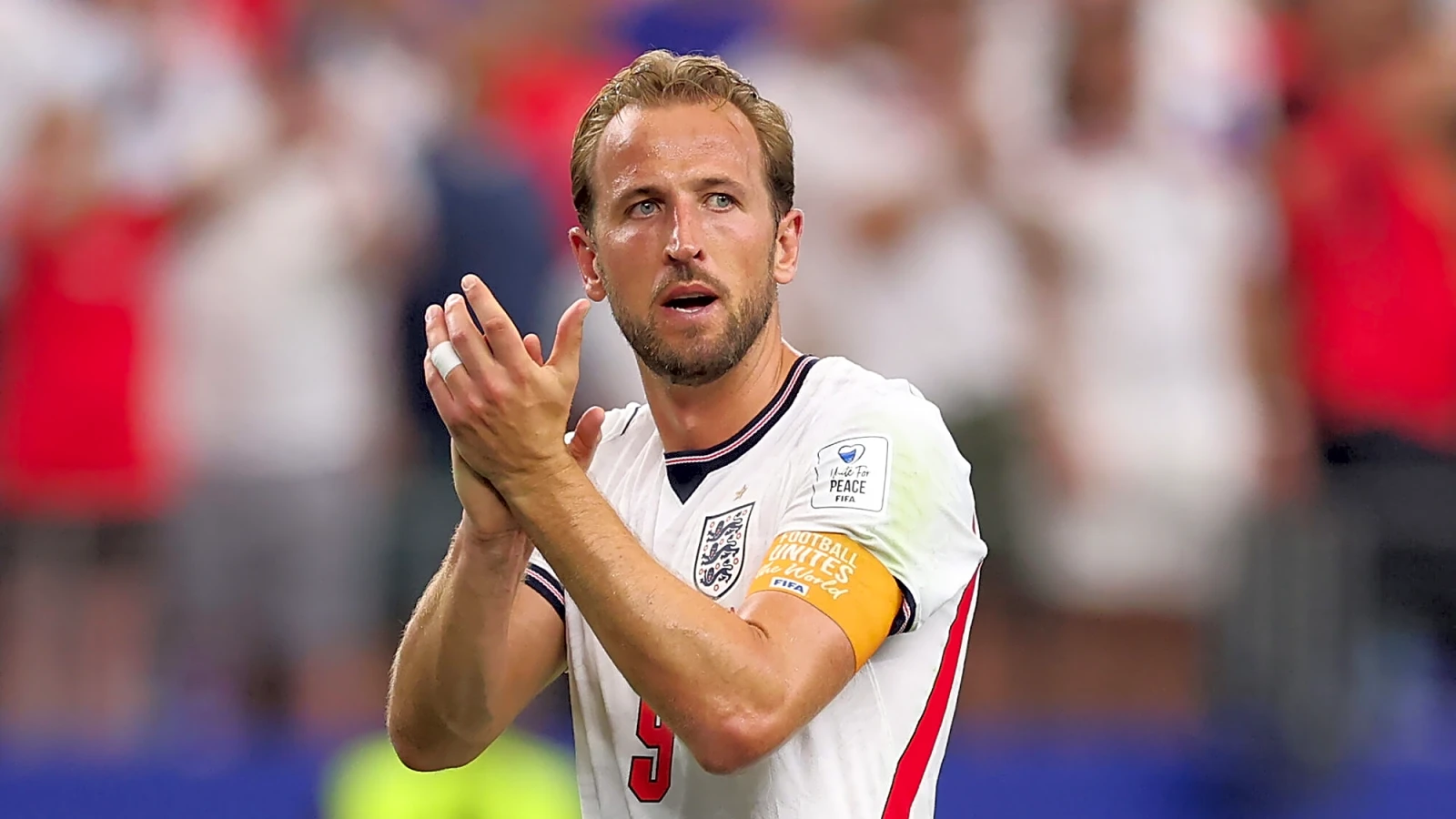
Yet, the momentum is with the challengers. Lamine Yamal and Lionel Messi are not just playing football; they are creating moments that go viral, influencing the “eye test” that remains so vital to the journalists and national team captains who vote. When a 19-year-old dismantles world-class defenses in a World Cup semi-final, it carries a weight that 30 goals in the Bundesliga simply cannot match. The power rankings are now a reflection of who can handle the pressure of the global spotlight.
Can Lamine Yamal Become the Youngest Winner in History?
Spain’s journey to the 2026 final has been orchestrated by a teenager who plays with the composure of a veteran. Lamine Yamal’s 28 goal contributions for Barcelona were the appetizer; his World Cup performance is the main course. At 19, he has reached a level of technical mastery that even Messi hadn’t fully refined at the same age. He isn’t just a winger; he is Spain’s primary creative outlet.
Should Spain win the final, Yamal’s case becomes undeniable for a top-three finish, and potentially the top spot. The history of the Ballon d’Or loves a “prodigy” story. Ronaldo Nazario holds the record as the youngest winner at 21, but Yamal could shatter that by two years. His ability to produce game-winning moments under the extreme pressure of a World Cup knockout stage has elevated him above peers like Jude Bellingham.
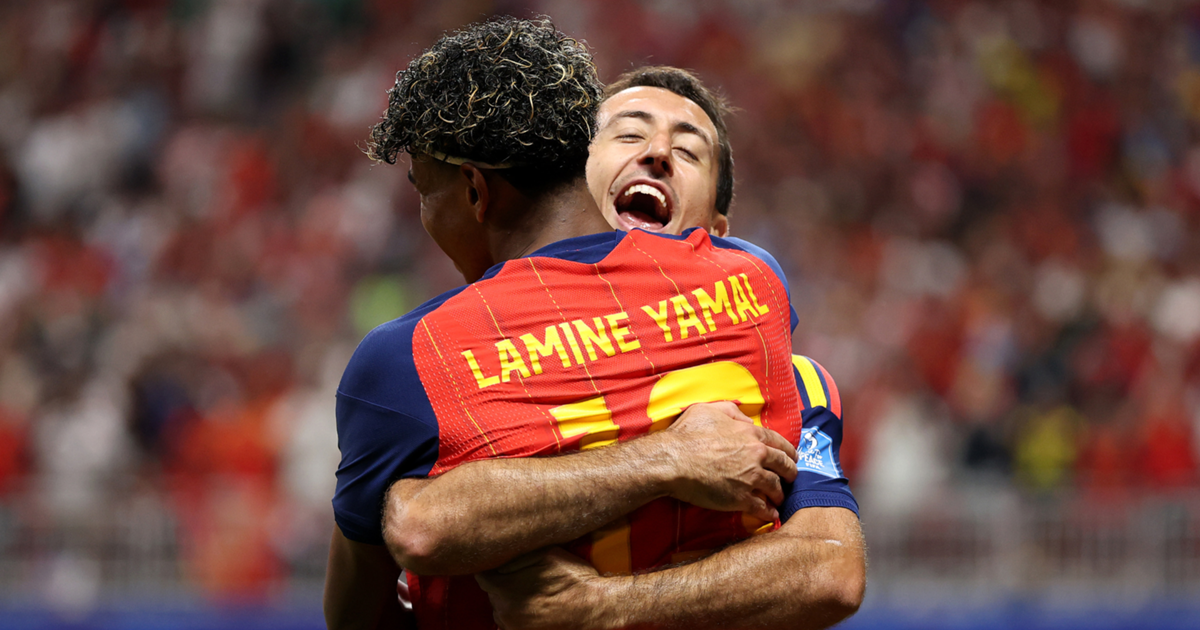
Bellingham, despite a heroic 6-goal World Cup effort, suffered from a trophy-less season with Real Madrid. In the eyes of the voters, stats without silverware are a tough sell. Yamal has the La Liga title and potentially the World Cup. That combination is lethal in a voting booth. He represents the future of the favorites to win Ballon d’Or 2026, but he might just be the present.
Is Ousmane Dembele’s Reign Officially Over?
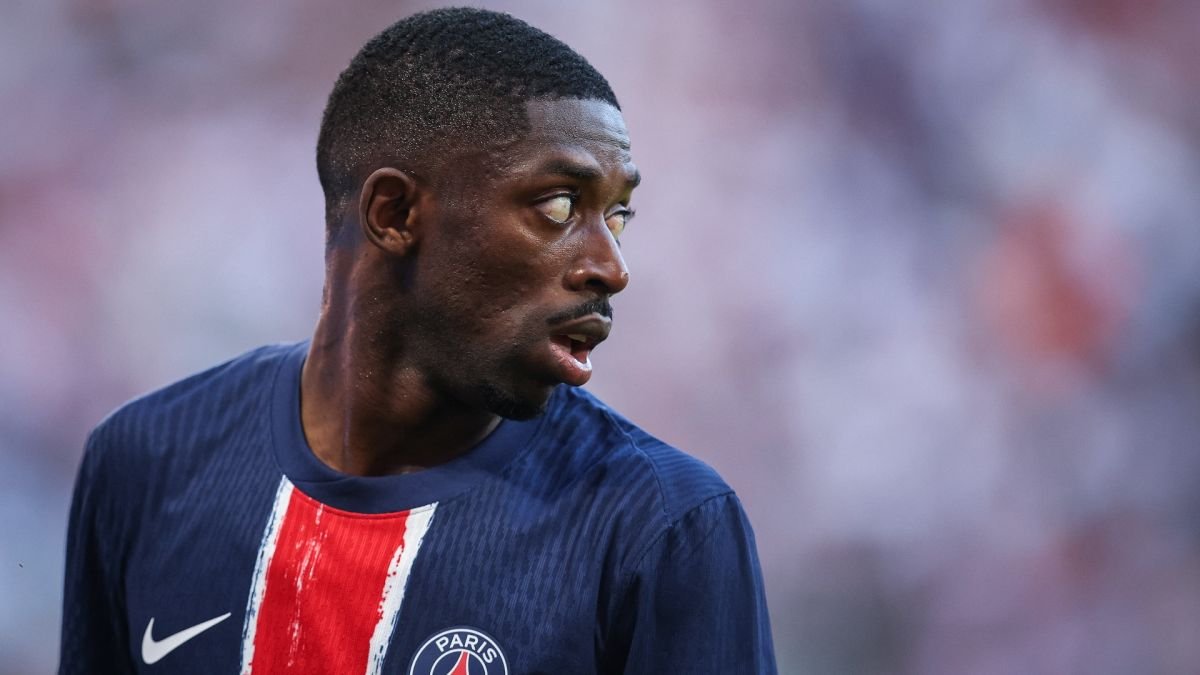
Ousmane Dembele entered the year as the reigning holder of the Ballon d’Or, a status he earned through a transformative season with Paris Saint-Germain. His 20 goals and 11 assists were instrumental in PSG finally securing a Champions League trophy, a feat that many thought was impossible. For the first half of the year, he was the man to beat.
However, the international stage has been unkind to the Frenchman. France’s semi-final exit to Spain was a crushing blow to his hopes of retaining the crown. In that match, Dembele was largely neutralized by a disciplined Spanish defense, failing to provide the spark that France desperately needed. Without the “World Cup Winner” tag to add to his Champions League title, his resume feels incomplete compared to Kane’s 61 goals or Messi’s final appearance.
The history of the Ballon d’Or shows that repeat winners are rare unless they maintain a level of “untouchability.” While Dembele remains a top-five player in the world, the favorites to win Ballon d’Or 2026 have moved past him. He now finds himself in the “best of the rest” category, a victim of France’s inability to capitalize on their talent-rich squad on the world’s biggest stage.
What Do the Advanced Analytics Say About the Leaders?
When we move beyond the raw goal counts and look at the advanced performance metrics provided by StatsPerform, the race becomes even tighter. Harry Kane’s Expected Goals (xG) over the season was 54.2, meaning he significantly over-performed his service by scoring 61. This indicates a level of clinical finishing that is historically elite. His Player Efficiency Rating (PER) was the highest in the Bundesliga at 9.4.
Lionel Messi, on the other hand, leads the world in High-Intensity Sprint Frequency for players over 35, a surprising stat that shows his dedication to this final World Cup run. His Expected Assists (xA) during the tournament stands at 4.8, the highest of any player in North America. He is creating high-quality chances at a rate that defies his age.
| Metric | Harry Kane | Lionel Messi | Lamine Yamal |
|---|---|---|---|
| Club Goals | 61 | 18 (MLS) | 14 |
| WC Goals | 6 | 8 | 4 |
| WC Assists | 1 | 4 | 6 |
| Major Trophies | 3 (Domestic) | TBD (WC Final) | 1 (La Liga) |
| Market Value | €110M | €30M | €180M |
The market data also tells a story. Lamine Yamal’s market value has skyrocketed to €180 million, making him the most valuable asset in world football. This financial metric often correlates with “hype,” which, while not a formal voting criterion, certainly influences the perception of who the “best” player is. Kane’s value remains steady, while Messi’s value is purely sentimental at this stage of his career.
The Factors Other Analysts Are Ignoring?
Most mainstream outlets focus entirely on goals and assists, but three sub-topics are currently being overlooked in the favorites to win Ballon d’Or 2026 discussion. First is the “Age Gravity” factor. The 100 journalists who vote for this award are human; they are susceptible to the narrative of a 39-year-old winning a World Cup. The emotional weight of Messi’s potential 9th win acts as a gravity well, pulling votes away from more “logical” choices like Kane.
Second is the evolution of defensive metrics for forwards. Harry Kane’s “High-Intensity Defensive Pressing” at Bayern was statistically superior to any other striker in Europe. He isn’t just a poacher; he is a vital part of the defensive block. In an era where tactical flexibility is prized, Kane’s all-around game should, in theory, earn him more points than Messi’s “walk-and-strike” approach.
Finally, there is the influence of the North American market. With the World Cup and Messi both based in the U.S., the sheer volume of media coverage and sponsorship impact cannot be ignored. The “Messi Mania” in 2026 has created a feedback loop of positivity that makes any criticism of his performance feel like heresy. This atmospheric advantage is something Kane, playing in the relatively quieter Bundesliga, simply cannot match.
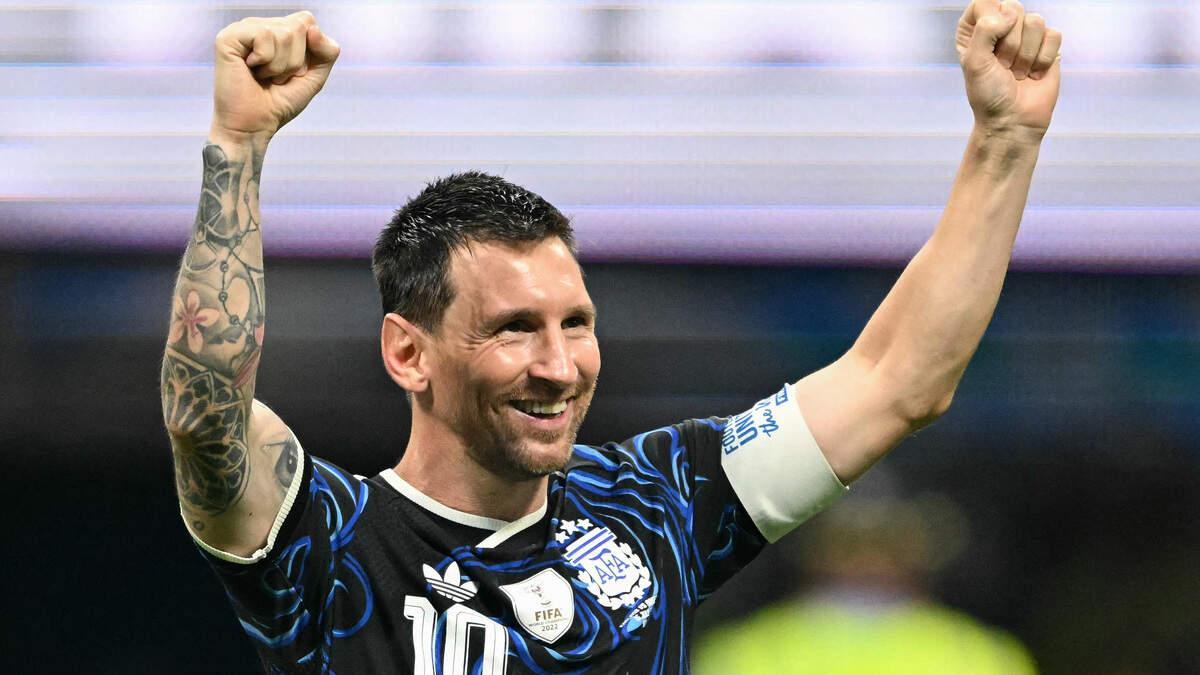
Looking ahead, the SportsLeo Forecast for the next 6 months suggests a period of intense lobbying. If Argentina wins the final, the race is over. Messi wins. However, if Spain triumphs and Yamal is the Man of the Match, we could see a split vote that allows Kane to sneak through on the strength of his 61 goals.
Frequently Asked Questions about the favorites to win Ballon d’Or 2026
Who is currently leading the 2026 Ballon d’Or power rankings?
Harry Kane and Lionel Messi are currently neck-and-neck at the top of the rankings, heavily influenced by their respective club seasons and World Cup performances.
How many goals did Harry Kane score in the 2025/26 club season?
Harry Kane enjoyed an incredible club campaign with Bayern Munich, scoring 61 goals in 51 matches across all competitions.
Could Lamine Yamal make history at the 2026 Ballon d’Or?
Yes. If Lamine Yamal wins the award, the Spanish and Barcelona star would become the youngest-ever recipient of the Ballon d’Or at just 19 years old.
Does Ousmane Dembele still have a chance to win?
While he is the reigning holder, France’s semi-final exit has significantly lowered his chances compared to the finalists and Harry Kane.
When will the 2026 Ballon d’Or winner be announced?
The ceremony is traditionally held in late October, following the conclusion of all major summer international tournaments.