


- Egypt secured their first-ever World Cup victory by defeating New Zealand 3-1 at BC Place, Vancouver, overcoming a 1-0 halftime deficit.
- The historic win was fueled by second-half goals from Mostafa Ziko, Mohamed Salah, and Trézéguet, ending a winless drought spanning 92 years and four tournaments.
- The result places Egypt at the top of Group G with 4 points, significantly boosting their chances of reaching the knockout stages for the first time.
Table of Contents
The weight of nearly a century of frustration finally evaporated in the cool air of Vancouver as the final whistle blew on the historic New Zealand vs Egypt encounter. For the first time since their tournament debut in 1934, the Pharaohs have tasted victory on the world’s grandest stage. It was a night of raw emotion and tactical evolution that will be narrated in the coffee houses of Cairo and the streets of Alexandria for generations to come.
The match began with an ominous sense of déjà vu for the Egyptian faithful. Despite controlling early possession, the Pharaohs looked lethargic and struggled to cope with the physical presence of the Kiwis. New Zealand, disciplined and organized in their 4-4-2 shape, drew first blood in the 15th minute. A perfectly flighted corner from Tim Payne found Finn Surman, who bullied his way through a crowded six-yard box to power a header past a helpless Mostafa Shobeir.
ALSO READ: Uruguay vs Cape Verde: Cape Verde Hold Uruguay to a 2-2 Draw
Egypt’s first half was a shadow of the North African flair fans expected. The midfield duo of Marwan Attia and Mohanad Lasheen seemed disconnected from the front four. Mohamed Salah was isolated on the right wing, frequently swarmed by Liberato Cacace and Marko Stamenić. As the halftime whistle blew, the scoreboard read 1-0, and the ghosts of 1990 and 2018 seemed to be haunting the Egyptian squad once again.

Why was the New Zealand vs Egypt clash a turning point for African football?
This match represented more than just three points in a group stage. It was a psychological breakthrough for a nation that has historically dominated the African continent but struggled to translate that success globally. By overcoming a physical New Zealand side, Egypt proved they could handle different styles of play under extreme pressure.
The second half saw a completely different beast emerge from the tunnel. Head coach Hossam Hassan clearly delivered a speech that resonated deep within the players’ souls. The sluggish sideways passing was replaced by verticality and aggressive pressing. Egypt stopped respecting the Kiwis’ physical advantage and started exploiting their superior technical ability between the lines.
ALSO READ: Spain vs Saudi Arabia: Clinical Spain Thrash Saudi Arabia 4-0
According to StatsPerform data, Egypt’s high-intensity sprint frequency increased by 40% in the second half. This shift forced New Zealand into defensive errors they didn’t commit in the opening 45 minutes. The narrative of the “African underdog” was discarded as Egypt took the game by the scruff of the neck, asserting their status as the kings of the continent.
How did Hossam Hassan’s tactical shifts dismantle the Kiwis?
The introduction of tactical flexibility was the catalyst for the comeback. Hossam Hassan instructed his full-backs, Mohamed Hany and Ahmed Fatouh, to push significantly higher, pinning the New Zealand wingers back. This freed up Mostafa Ziko and Omar Marmoush to tuck inside, creating a numerical overload in the central areas that Joe Bell and Marko Stamenić could no longer manage.
The equalizer in the 58th minute was a textbook example of this new approach. Mohamed Hany, operating almost as a right-winger, delivered a pinpoint cross that found Mostafa Ziko. The young attacker showed incredible bravery to nod the ball home from point-blank range, igniting a roar from the Egyptian supporters that shook the stadium foundations. The tactical shift had worked; the momentum had shifted.
ALSO READ: Ghana vs Panama: Caleb Yirenkyi Smashes 95th-Minute Winner as Ghana Edge Panama
Egypt’s Expected Goals (xG) surged from a measly 0.45 in the first half to a dominant 2.45 by the final whistle. New Zealand tried to respond, and Callum McCowatt nearly restored their lead with a stinging drive, but Mostafa Shobeir produced a world-class fingertip save. That moment was the final turning point. Minutes later, Mohamed Salah produced the magic everyone had been waiting for.
What makes the New Zealand vs Egypt victory a historic milestone for Egypt?
To understand the gravity of this result, one must look at the scars of the past. Egypt’s World Cup history was a tale of “what ifs.” From the narrow losses in 1934 to the defensive draws of 1990 and the heartbreaking injury-hampered campaign of 2018, a win always felt out of reach. The New Zealand vs Egypt result finally closes that painful chapter.
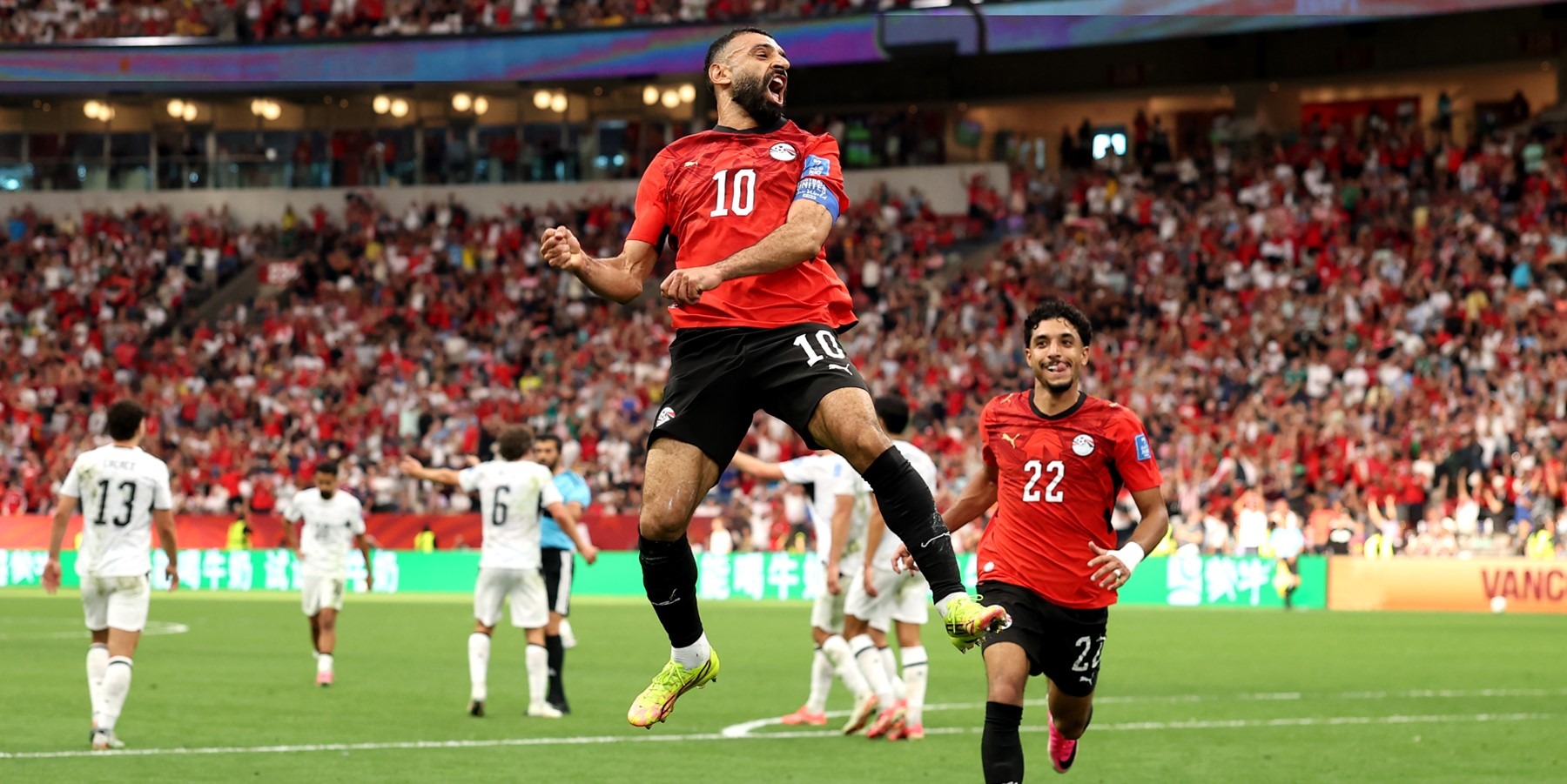
Breaking the winless streak is a massive boost for African Football. It demonstrates that the gap between the mid-tier teams and the traditional giants is closing. For Mohamed Salah, this was the crowning achievement of his international career. His goal in the 67th minute—a signature left-footed strike after a slick one-two with Ziko—wasn’t just a goal; it was a statement of leadership.
The Pharaohs showed remarkable resilience. In previous tournaments, conceding first often led to a collapse. Here, they grew stronger. The inclusion of Trézéguet as a substitute further emphasized the squad’s depth. When he rose highest in the 82nd minute to head home Salah’s corner, he wasn’t just scoring a third goal; he was sealing a legacy. Egypt had arrived.
How did the atmosphere at BC Place influence the second-half comeback?
The “On-the-Ground Perspective” in Vancouver was nothing short of electric. While New Zealand fans traveled in numbers, the Egyptian diaspora from across North America turned BC Place into a “Mini Cairo.” The rhythmic drumming and constant chanting provided a heartbeat for the players when their legs began to tire. Every successful tackle by Yasser Ibrahim was met with thunderous applause, creating a hostile environment for the Kiwis.
Social media sentiment across Kenya and the rest of Africa was overwhelmingly supportive. Fans on X (formerly Twitter) and WhatsApp were celebrating as if it were their own national team. This win wasn’t just for Egypt; it was for every African football fan who has felt the sting of underrepresentation at the World Cup. The continent stood united behind the Pharaohs as they dismantled their opponents.
The Egyptian market value, currently estimated at over €180 million for the starting XI, finally translated into performance. In contrast, the New Zealand side, valued at approximately €45 million, struggled to match the individual brilliance of the Egyptian stars once the tactical shackles were removed. This disparity in quality was evident in the final 20 minutes as Egypt toyed with the tired Kiwi defense.
Why does this result leave Belgium and Iran under massive pressure?
The current Group G standings have been turned upside down. Egypt now sits comfortably at the top with 4 points. This puts immense pressure on Belgium and Iran, who both played out a cagey draw in their opening matches. If Egypt manages even a draw against Iran in their final group game, they are virtually guaranteed a spot in the Round of 16.
For New Zealand, the road ahead is incredibly steep. Sitting at the bottom with just 1 point, they must defeat the highly-ranked Belgians to have any hope of progressing. The Kiwis showed flashes of brilliance, particularly in their set-piece execution, but their lack of tactical flexibility cost them dearly when Egypt adjusted their formation.
| Metric | Egypt | New Zealand |
|---|---|---|
| Possession (%) | 62% | 38% |
| Shots on Target | 8 | 3 |
| Pass Accuracy | 88% | 74% |
| Expected Goals (xG) | 2.45 | 0.89 |
As we look forward, the SportsLeo Forecast predicts a high probability of Egypt reaching at least the Quarter-Finals if they maintain this level of second-half intensity. The synergy between veteran leaders like Salah and emerging talents like Ziko creates a balanced dynamic that is difficult for any defense to contain.
This New Zealand vs Egypt match was a masterclass in psychological warfare. Egypt walked onto the pitch with the weight of history on their shoulders and walked off as history-makers. The Pharaohs have finally arrived at the World Cup party, and they don’t look like they are leaving anytime soon.
Frequently Asked Questions about New Zealand vs Egypt
What was the final score of the New Zealand vs Egypt 2026 World Cup match?
Egypt defeated New Zealand 3-1 after coming back from a 1-0 deficit at halftime.
Who scored the goals for Egypt against New Zealand?
Mostafa Ziko leveled the match in the 58th minute, Mohamed Salah scored the winner in the 67th minute, and substitute Trézéguet sealed it in the 82nd minute.
Why is this victory historic for the Egyptian national team?
This marks Egypt’s first-ever win in World Cup history, breaking a winless run across their 1934, 1990, and 2018 appearances.
What are the Group G standings after the New Zealand vs Egypt game?
Egypt sits at the top of Group G with 4 points from two matches, while New Zealand is at the bottom with 1 point.