




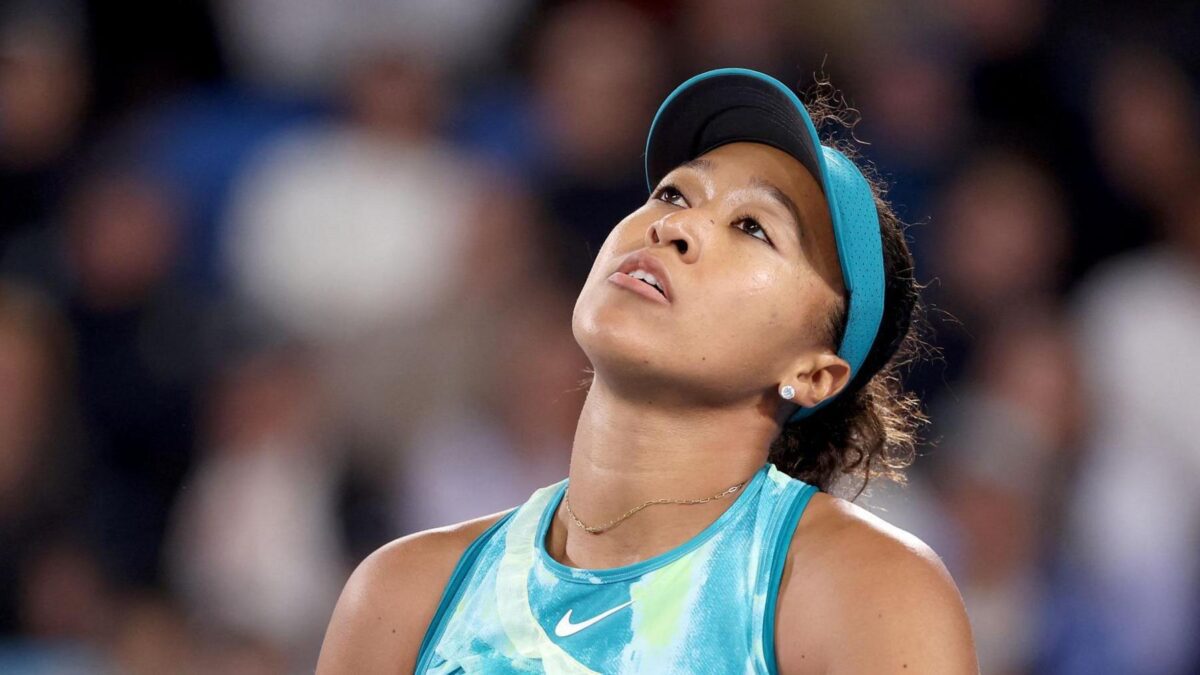
Naomi Osaka Australian Open withdrawal has become the headline dominating tennis news worldwide. The four-time Grand Slam champion was forced to exit the tournament due to a recurring injury ahead of her third-round match.
The announcement sent shockwaves through the tennis world and dramatically reshaped the women’s singles draw at Melbourne Park.
Osaka sent a heartfelt message just hours before her scheduled match against Australian qualifier Maddison Inglis. She said she couldn’t continue because of a left abdominal injury she had been dealing with throughout the tournament. Many tennis fans have described the decision as heartbreaking but necessary for her health.
Naomi Osaka Australian Open Withdrawal
The news of Naomi Osaka Australian Open withdrawal broke early on Saturday morning in Melbourne. The tournament officials and Osaka’s own social media confirmed the reports.

The 28-year-old star had won her first two matches, both in three sets, showing flashes of the strong tennis that has made her famous. But the lingering abdominal issue, which she first noticed more strongly during her second-round win over Sorana Cîrstea, finally forced her to stop.
Osaka wrote: “I’ve had to make the difficult decision to withdraw to address something my body needs attention for after my last match. I was so excited to keep going and this run meant the most to me, so having to stop here breaks my heart but I can’t risk doing any further damage so I can get back on the court.”
“Thanks for all the love and support…I’m so grateful everyone embraced me so much. And thank you to my whole team for always having my back and the tournament organizers.” She added.
ALSO READ: Novak Djokovic Net Worth: How the Tennis Star Built His $250 Million Fortune
Naomi Osaka Australian Open withdrawal means that Inglis advanced to the fourth round without hitting a ball in their scheduled contest.
Injury and Tournament Context
The Naomi Osaka Australian Open withdrawal underscores how demanding the sport can be at the highest level. Osaka’s abdominal injury isn’t new; she’s had similar problems before and even had to take a medical break during her second-round match.
At one point, she said at a press conference that her history suggested what might be going on, pointing out that this wasn’t the first time she had felt pain in that area.
She said she hoped that a break before the third round would let her compete, but when the pain got worse during warm-ups for her match against Inglis, Osaka and her team made the hard decision to pull out.

Osaka’s health concerns are even more complex considering her recent return to the sport after a maternity break. In 2023, the Japanese star gave birth to her daughter. Her body her body has undergone significant changes since her return to competition.
Osaka herself said that this might affect how she deals with physical stress and injury in the future.
Fan and Player Reactions
The announcement of Naomi Osaka Australian Open withdrawal instantly sparked a wave of reactions across social media platforms and the global tennis community.
Fans expressed sympathy for the champion, and many of them remembered how emotional and inspiring her journey back to the Grand Slam stage was. Supporters stressed that putting health first is important for long-term success, especially in a sport as demanding as tennis.
Other top players also gave their thoughts. Polish star Iga Świątek publicly said she hoped Osaka would recover fully, showing how much respect many of her peers have for Osaka’s impact on and off the court.
ALSO READ: Who Are the Most Decorated Tennis Players?
Not all of the responses were positive, though. Some fans brought up earlier off-court moments from the tournament, like a tense conversation with Sorana Cîrstea after the match and criticism of Osaka’s over-the-top entrance outfits. Still, most people agreed that the injury was serious and that Naomi Osaka Australian Open withdrawal was brave.
The Impact on the Draw
Naomi Osaka Australian Open withdrawal makes a big difference in the women’s singles draw. Maddison Inglis, who is not in the top 150, moves on to her first Grand Slam fourth round. This is a big step in her career and a chance to see how she stacks up against the best players, possibly against one of the top seeds like Świątek.
Osaka’s absence also takes away a possible exciting matchup for many tournament fans and adds new stories to the draw, from unseeded underdogs to top-ranked contenders who now have a slightly different path to the final stages.
Osaka’s Career and Legacy
The Naomi Osaka Australian Open withdrawal is a poignant chapter in a career that has already helped redefine women’s tennis in recent years.
Osaka won the Australian Open for the first time in 2019 and again in 2021. She did this by combining raw power with mental strength on the biggest stages in the sport.
Osaka is one of the most famous athletes in the world because of her wins and her work to raise awareness about mental health, speaking out on social issues, and bringing an engaging personality to the sport.
Fans are sad that she pulled out, but it reminds them that even the best athletes are human and have to deal with challenges in their personal lives, their health, and their desire to win.
What Comes Next
The most important question now, aside from Naomi Osaka Australian Open withdrawal, is what her 2026 season will be like.
Osaka’s team has said that she will seek more medical help to find out what she needs to do to fully recover. Given her history of abdominal issues, including a similar forced exit at a Grand Slam the year before, her recovery will probably be slow and careful.
Analysts say that Osaka might be able to compete again later this year, once she has fully healed, and she might aim for events where she has done well in the past. Fans and sponsors alike are still very interested in her at Grand Slams and other big WTA tournaments, so her long-term health is a top priority for everyone.
The Bigger Picture
Osaka’s withdrawal also brings up bigger issues in tennis about athlete health and scheduling. The demanding tour schedule, especially at the start of the season with the Australian swing, can make old injuries and tiredness worse.
Players who have been away for a long time, like Osaka who was on maternity leave, have to deal with more stress when it comes to balancing their health and performance.

Many have pointed out that Osaka’s honesty about her injury and her choice to pull out show a bigger trend among top athletes who are putting long-term health ahead of short-term results. This point of view may affect how future champions handle their careers as the sport continues to change.
Conclusion
Naomi Osaka’s decision to pull out of the Australian Open is a tough time for both the tournament and her long career. Fans will understandably be upset that she won’t be competing in Melbourne anymore, but her choice shows that she cares about her long-term health and career in the sport.
Osaka’s legacy in tennis is safe, from her famous performances to her strong voice as a public figure. This withdrawal, far from lessening her impact, could be another chapter in a career defined by resilience, courage, and honesty.
The women’s draw at the Australian Open keeps changing in unexpected ways, and the focus moves to other players. But Osaka’s withdrawal will always be one of the most talked-about moments of this Grand Slam.
Discover more from Sportsleo News
Subscribe to get the latest posts sent to your email.