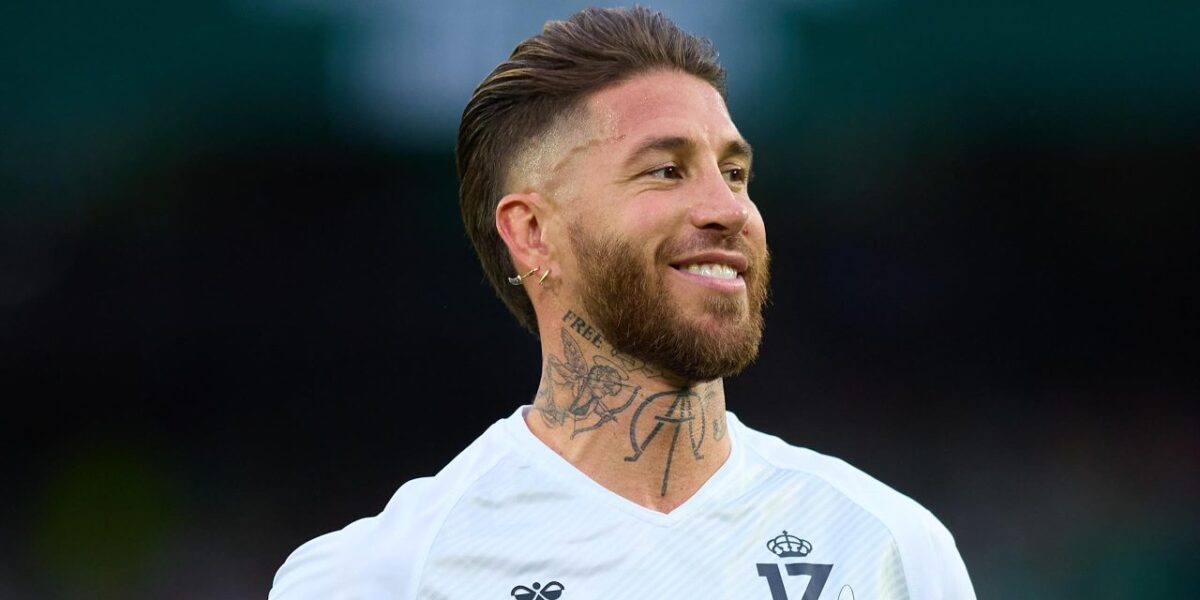







The Karim Benzema contract offer has become one of the most talked‑about stories in global football after the French star reportedly rejected the proposal and refused to play for his Saudi Pro League club, Al‑Ittihad.
Reports that Benzema thinks the offer is too low and disrespectful have led to a lot of speculation about his future, and fans, pundits, and even rival clubs have reacted.
The Karim Benzema contract offer that was made to the 38-year-old striker during ongoing talks about a contract extension is at the heart of the controversy.
Sources say that the offer didn’t have a meaningful base salary and instead relied heavily on image rights and incentives. Benzema’s camp publicly rejected this structure, saying it was like “playing for free.”
ALSO READ: Champions League Knockout Phase Play-offs: What to Know
French news source L’Équipe says that Benzema thought the terms were not only bad for his wallet but also disrespectful because he had been with Al-Ittihad since 2023 after a legendary career with Real Madrid. The report indicates that Benzema was so unhappy with the offer that he left the first-team squad and trained alone.
The argument seems to have reached a breaking point recently, as Benzema even refused to play in Al-Ittihad’s league game against Al-Fateh. Reports say that he told the team he wouldn’t play until the contract issue was settled.

Karim Benzema Contract Offer: What Made Benzema Unhappy with the Offer
The Karim Benzema contract offer is controversial not only because of the disagreement, but also because so many people are unhappy with it. According to sources, Benzema felt “disrespected” by the way the offer was set up, which reportedly would have seen him earn most of his income only through image rights and bonuses rather than a secure base salary.
The proposal was deemed disrespectful for one of the most decorated players of his time, a Ballon d’Or winner and a Champions League champion with Real Madrid, to accept. He felt that it didn’t offer enough security or respect.
While exact financial terms have not been publicly confirmed, one report suggested that under the existing contract, Benzema earned well into the high double‑digit millions — meaning any reduction is likely significant.
The fact that this disagreement has escalated into Benzema refusing to play has shocked many observers, particularly given that he has been in decent form this season and remains influential in the Saudi Pro League.
There have already been real effects from the refusal to play. Al-Ittihad played a recent game without Benzema, which ended in a draw, leaving the club in a mid‑table position and exposing the impact of the standoff.
Benzema’s absence is felt not only on the scoreboard, but also emotionally within the team and among fans because he is such a big name player. For a team that sees big-name signings as key to its business and sports plans, losing access to its most experienced star is a big blow.
The Power Dynamics Behind the Negotiations
The unusual way player contracts work in the Saudi Pro League, especially for big-name foreign stars, is at the heart of the Karim Benzema contract offer dispute.
Reports say that a league-wide directorate, in this case Michael Emenalo, who is in charge of big foreign player contracts, often handles negotiations for players like Benzema. This arrangement can make it harder for the player and club to talk directly about deals.
For Benzema, that might have meant less clarity and control over how the offer was put together, which would have made him more frustrated and made him feel like the offer didn’t value his contributions enough.
It’s not clear if this dynamic will change as the standoff goes on, but it makes what would be a simple contract negotiation more complicated.
Reactions From Fans and The Media
Fans and the media have quickly spoken out against Karim Benzema contract offer. Many think Benzema made the right choice, and they see Al-Ittihad’s offer to Benzema as a disrespect that could show how players are valued in the Saudi league as a whole. Some have praised Benzema for standing up for himself, while others say that if the standoff ends without a resolution, it could damage his legacy.
This story has been covered a lot by sports news outlets all over the world. Some headlines just state the facts: Benzema refused to play after a contract dispute. Others go into more detail about what this means for the future of star player contracts in Saudi Arabia.
What This Means for Benzema’s Future
Benzema is 38 years old and is getting close to a natural decision point in his career. His current contract with Al-Ittihad ends in the summer of 2026, which means this is the last season of his deal. The offer for Karim Benzema’s contract is a big part of the rumors about where he might play next. Will he sign a new deal, ask for a transfer to another league, or even go back to Europe?
Some reports indicate that Real Madrid and other teams are interested, but nothing official has been said about it. Whether those rumours gain traction could depend largely on how the negotiations unfold and how Benzema chooses to frame his next career move.
Negotiation Challenges and Broader Context
This situation is also a sign of bigger changes in international football. Top players are using their power more and more in contract talks, especially when it comes to respect and legacy as well as money.
Benzema, whose career at the highest level lasted almost twenty years, is a good example of this change. He is not only negotiating his salary, but also how his role and value are recognized.
ALSO READ: Benfica vs Real Madrid: Mourinho’s Benfica Stun Real Madrid 4-2
At the same time, leagues like the Saudi Pro League are still fairly new to the world stage. The talks about Karim Benzema’s contract offer might show that things are getting harder as clubs and league officials try to find a balance between keeping their finances stable and meeting the needs of world-class players.
Possible Paths Forward
So what could happen next?
-
A revised contract offer: Al‑Ittihad could return to the negotiating table with improved terms that satisfy Benzema and his representatives, potentially emphasising a higher base salary and better guarantees.
-
Mid‑season transfer: If Benzema and the club cannot resolve the dispute, he may seek a transfer before the current window closes or wait until his contract expires.
-
Return to Europe: Depending on interest, Benzema could pursue opportunities in a European league to finish his career in a familiar context.
-
Extended standoff: The impasse could last longer, affecting his playing time and further complicating squad dynamics at Al‑Ittihad.

Conclusion
The situation with the Karim Benzema contract offer has gone from normal contract talks to a full-blown public fight, showing how complicated modern football negotiations can be. It’s not just about money; it’s also about respect, legacy, and how clubs and leagues value star players.
Benzema knows what he wants: at this point in his career, he wants terms that reflect his status and contributions, and he’s willing to use his star power to make sure that happens.
For Al-Ittihad and the Saudi Pro League, the hard part will be finding a way to balance their desire to win with their need to be fair. They need to make sure that big-name players like Benzema feel valued both on the field and in their contracts.
Only time will tell how this standoff over the Karim Benzema contract offer ends, but one thing is certain: it has already changed how people think about how top players and up-and-coming football powers do business in the 21st century.
Discover more from Sportsleo News
Subscribe to get the latest posts sent to your email.