






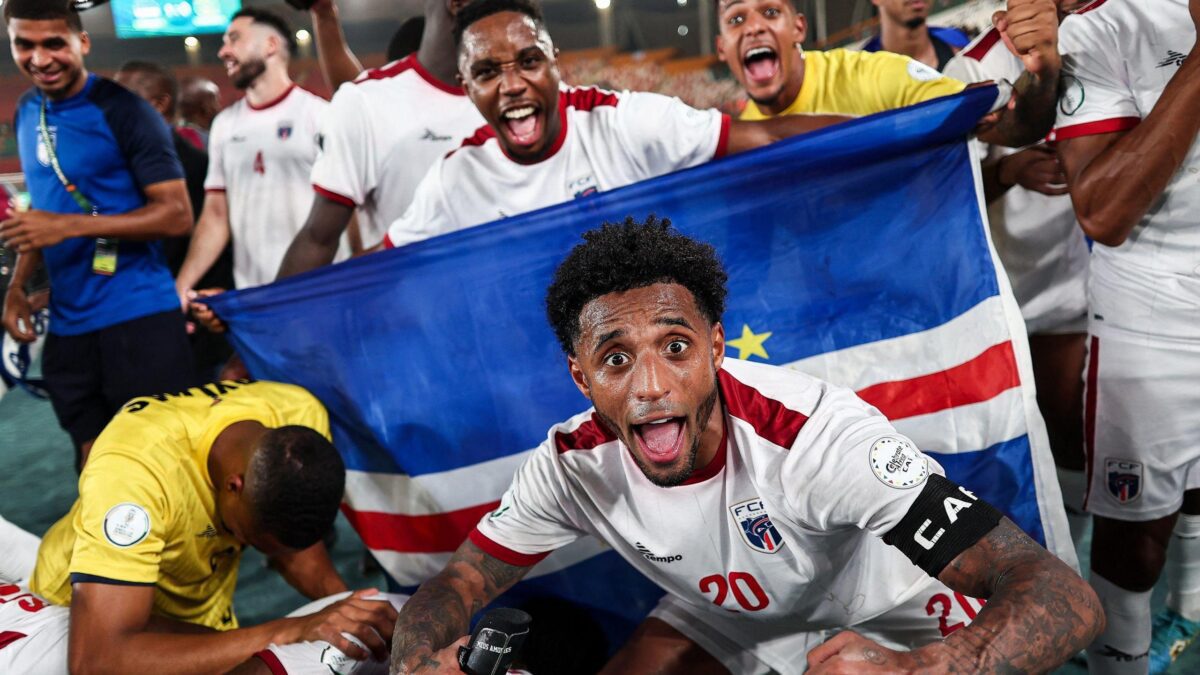
- In a day to be remembered forever in the history of Cape Verdean sport, Cape Verde qualify for World Cup 2026 after a dramatic 3-0 win over Eswatini
- With that victory, and a goalless draw in Yaoundé between Cameroon and Angola, Cape Verde sealed the top position in Group D
- After a wobbly start that included a humiliating loss away in Cameroon and some draws that tested their faith in themselves, coach Pedro Leitão Brito stabilized the ship
In a day to be remembered forever in the history of Cape Verdean sport, Cape Verde qualify for World Cup 2026 after a dramatic 3-0 win over Eswatini, securing their first-ever qualification for the FIFA men’s World Cup finals. The Praia triumph topped their African qualifying group as well as becoming one of world football’s greatest rags-to-riches stories.
From Outsiders to Group Winners
Cape Verde were under pressure in the final qualifying match. They also realized that with a win, they would earn the automatic berth, but so would other wins for their rivals. Cameroon, the more powerful classic powerhouse, were close behind in Group D.
But Cape Verde qualify for World Cup 2026 was not a dream — it was a mission, built painstakingly over months of campaign.
ALSO READ: Cape Verde drawing closer to World Cup qualification
During the 10-match CAF qualification campaign, they persisted with grit. After a wobbly start that included a humiliating loss away in Cameroon and some draws that tested their faith in themselves, coach Pedro Leitão Brito, colloquially known as “Bubista,” stabilized the ship.
When it was time for the Eswatini game, Cape Verde had found their rhythm, especially at home, where they failed to lose a game.
The Decisive Night in Praia
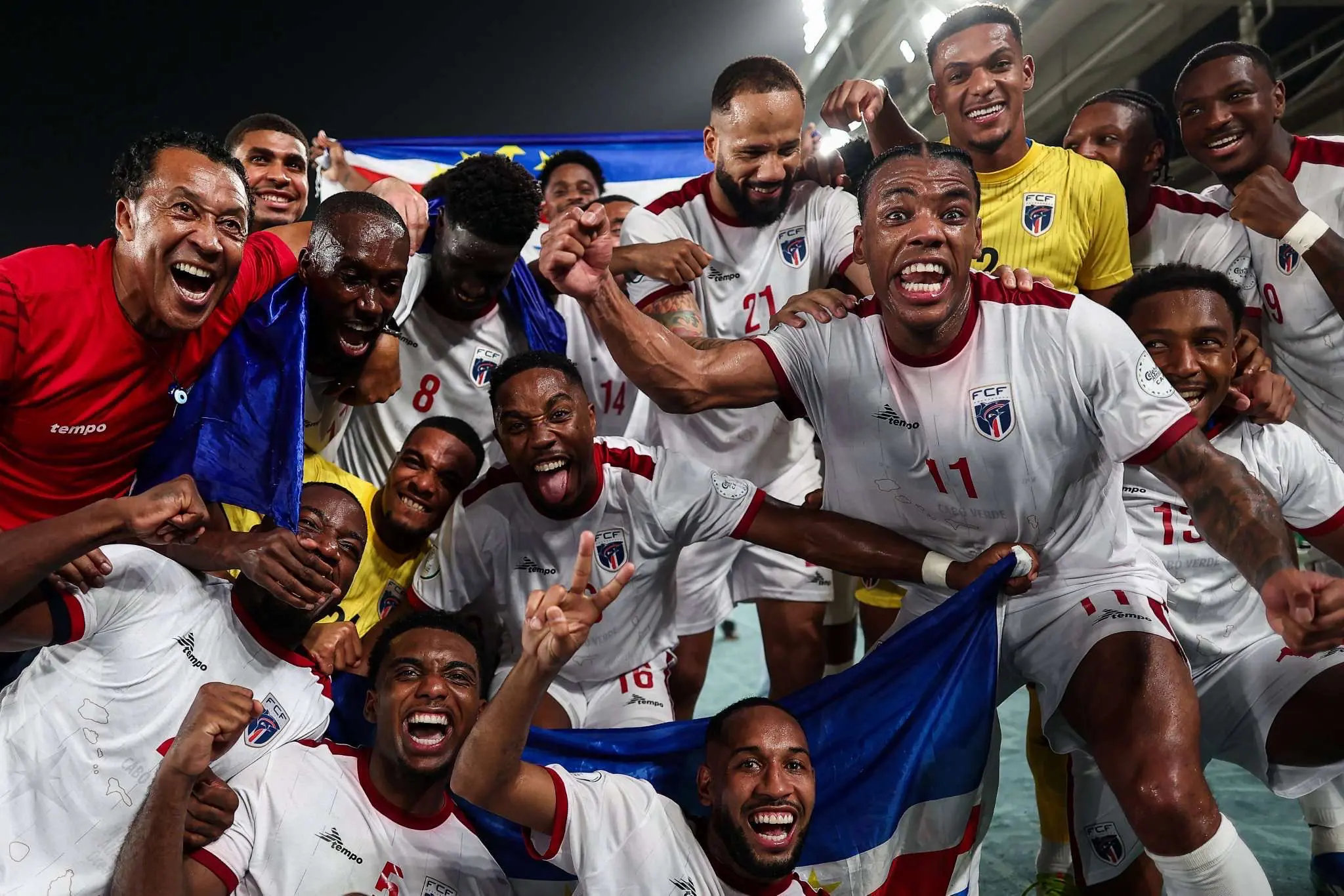
October 13, 2025 — that day now permanently ingrained in the collective memory of an archipelago. Before a stunned and cacophonous audience, Cape Verdeans witnessed a classic fight-back performance, if one a bit more determination than “come back” in nature.
The first half was one of tension; the tension was palpable. But it took no less than three minutes from the restart for Dailon Rocha Livramento to register the opener. Six minutes later, Willy Semedo doubled the tally. In the depth of stoppage time, veteran Stopira sealed the third goal, affixing the seal on what Cape Verde qualify for World Cup 2026 had toiled for.
Speaking after the match, centre-back Roberto ‘Pico’ Lopes, who was born and raised in Dublin to an Irish mother and Cape Verdean father, praised head coach Bubista for his management skills.
“He’s a great manager, he’s a great man and he’s really highly thought of in Cape Verde because of his management skills. He’s really integrated a group of players that want to be there, first and foremost, for Cape Verde. He doesn’t discriminate about where you’re playing, or who you’re playing with; it’s mostly your attitude while you’re there and how you gel with the team.” Sky Sports quotes Lopes.
With that victory, and a goalless draw in Yaoundé between Cameroon and Angola, Cape Verde sealed the top position in Group D — finishing four points ahead of Cameroon.
What Makes This So Monumental
- First Time Ever
Next year will mark Cape Verde’s maiden appearance at a FIFA World Cup. The Blue Sharks never reached the world finals before. Hence, Cape Verde qualify for World Cup 2026 is the realization of a dream for a lifetime by players, management, and the nation.
- Size and Odds Defied
With an estimated population of 500,000–600,000, Cape Verde is one of the smallest countries in world football history to qualify. Iceland (2018) is the only country to qualify with fewer people. When Cape Verde qualify for World Cup 2026, they become part of a select group: showing that small nations can play — and win — when the planets align.
- Great Group Performance
Their campaign was defined by solidity, especially on home ground. Cape Verde won the bulk of their home qualifiers, recorded some big wins (like against Cameroon), and made Praia Stadium their fortress at home. That determination reaped dividends in clutch situations. Cape Verde qualify for World Cup 2026 because they played tough under pressure.
- Leadership & Experience
Experienced men like Stopira, Garry Rodrigues, and Vozinha — well-known faces in Cape Verdean football — provided composure and experience to the team. Bubista’s coaching work as well should be mentioned: maintaining the belief, honing tactical discipline, and addressing the psychological dimension of the campaign. These were required on the night Praia celebrated when Cape Verde qualify for World Cup 2026.
What Next? Challenges & Prospects
With Cape Verde qualifying for World Cup 2026, the real work begins. The event will be staged throughout the United States, Mexico, and Canada with a bigger 48-team setup — offering more opportunity but also exposing the teams to more competition.
Cape Verde will need to:
- Offer world-class preparations: fitness, strategy, and logistics will all need to be of the caliber of the stage.
- Develop the squad depth: injuries, fatigue, and match congestion will test even the best well-faired outfits.
- Raise the level in international friendly matches and training camps: defeating strong teams earlier on will condition them.
- Keep the confidence: qualifying is one thing, playing against giants another.
Wider Implications
Beyond the national team, the achievement resonates across the Cape Verde football apparatus:
- Youth development: seeing their heroes play in the World Cup could get an entire generation of young players from these volcanic islands excited.
- Investment: government and private bodies may be more willing to fund training bases, scouting, and global exposure.
- Identity & pride: there is more to small nation sport stories than the game. Cape Verde qualify for World Cup 2026 is an inspiring moment, one to be remembered in schools, homes, and football grounds in decades to come.
Looking Forward
It will be on December 5, 2025, that the group stage draw will reveal Cape Verde’s rivals at the 2026 finals. At that time, the “when” gets replaced by the “with whom,” and tactics become paramount. Now that Cape Verde is making it to World Cup 2026, each game matters, each tactical move counts.
ALSO READ: 7 Amazing African players who have played for Chelsea
For now, however, there is elation. Praia went wild with joy, flags flew, party chants filled the night air. A small but defiant nation has punched its ticket. In doing so, Cape Verde qualify for World Cup 2026 has gone from possible headline to fact — and football history has been made.

Final Thoughts
Few sporting stories from recent times are as pretty as the story of Cape Verde’s emergence. Through their qualification to World Cup 2026, the Blue Sharks have re-scripted their history. Not only are they traveling to North America as debutants, but as testament to what collective effort, belief, and unity can achieve.
When the World Cup begins, everyone will be looking at them: some in disbelief, most in awe, all hoping that the underdog story continues. Because now, Cape Verde no longer dream; they play.
