




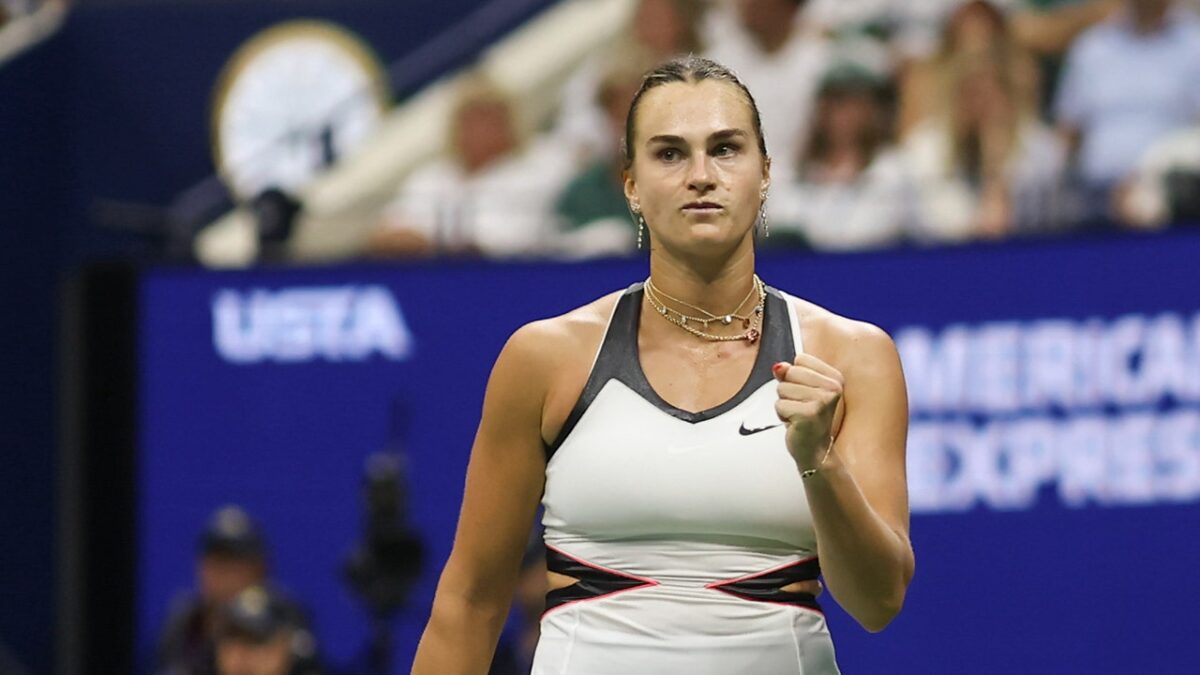
Aryna Sabalenka transgender comments sparked debate in women’s tennis
She shared views on transgender athletes during a Piers Morgan interview
Sabalenka promoted her Battle of the Sexes match with Nick Kyrgios
Aryna sabalenka transgender comments sparked debate in women’s tennis. She shared views on transgender athletes during a Piers Morgan interview.
Sabalenka promoted her Battle of the Sexes match with Nick Kyrgios. The event occurs on December 28 in Dubai. She called facing biological men unfair for female players.
Transgender women must meet WTA policy requirements. These include declaring female gender for four years.
Testosterone levels stay below 2.5 nmol/L for two years. Testing procedures ensure compliance. WTA Medical Manager can adjust rules case-by-case.
Sabalenka respects transgender individuals personally. She argues that biological advantages persist post-transition.
Kyrgios agreed with her stance. Debates highlight fairness in sports. Critics see exclusion as discrimination. Supporters emphasise musculoskeletal issues from male puberty.
No recent transgender players compete professionally. Historical figures like Renee Richards played in the 1970s. Martina Navratilova opposes inclusion. Billie Jean King views bans as discriminatory.
What is the Aryna Sabalenka Transgender Narrative about?

Aryna Sabalenka transgender narrative centres on her fairness concerns. She spoke out in a recent interview.
Sabalenka highlighted the advantages of biological males. Women work lifelong to reach peaks. Facing stronger opponents feels unjust. She has no personal bias against transgender people.
Biological strength differences remain key issues. Transition does not fully erase advantages. Male puberty builds muscle and bone density. Critics argue this skews competition.
Sabalenka’s comments came amid promotion. Her mixed doubles event with Kyrgios nears. He endorsed her views fully. WTA policy allows transgender women entry. Conditions require long-term gender declaration.
Hormone levels must stay low consistently. Regular testing verifies adherence. Adjustments happen on an individual basis. Sabalenka finds the setup problematic. She believes it disadvantages female athletes.
Ukrainian player Marta Kostyuk raised testosterone issues. She felt disadvantaged against the top rivals. Sabalenka dismissed it as excuses. Kostyuk appears strong and fit. Differences do not explain all losses.
WTA has not commented yet. Debates rage in tennis circles. Aryna Sabalenka transgender stance adds fuel. Advocacy groups call bans discriminatory. Sports bodies review policies often. The Lawn Tennis Association recently banned transgender women. National and club events exclude them.
Federations study male puberty effects. Elite levels bar post-puberty transitions. Fairness versus inclusion clashes persist. Sabalenka prioritises women’s competitive integrity.
Are there Transgender Female Tennis Players?

Aryna Sabalenka transgender discussions question current players. No transgender women compete professionally now. Renee Richards played WTA from 1977 to 1981.
She transitioned before competing. Richards later coached Martina Navratilova. Navratilova criticises transgender inclusion strongly.
She won 18 Grand Slam singles titles. Billie Jean King supports transgender rights. King won 12 Grand Slam singles. She beat Bobby Riggs in 1973. Her Battle of the Sexes was iconic.
Views split tennis legends. WTA permits transgender participation under its rules. Four-year female identity declaration is needed. Testosterone suppression for two years is required.
Levels below 2.5 nmol/L are mandatory. Testing ensures ongoing compliance. Medical exceptions are possible individually.
Aryna Sabalenka transgender views oppose this. She sees biological edges as unfair. Male puberty advantages linger post-transition. Muscle and skeletal benefits persist. Critics echo her concerns.
Advocacy groups fight exclusions. They label bans as discrimination. Sports evolve policies rapidly. Recent years saw federation changes. Studies focus on puberty impacts.
Elite female categories restrict entries. National bodies like LTA updated rules. Inter-club competitions bar transgender women. Global debates influence tennis.
Aryna Sabalenka transgender comments reflect tensions. Inclusion policies balance rights and fairness. Historical examples remain rare. Future players face scrutiny. Tennis adapts amid controversies.
Discover more from Sportsleo News
Subscribe to get the latest posts sent to your email.