





- Arsenal Visit Rwanda partnership cancellation is no longer a thought but a reality
- The partnership will end in 2026 according to official sources
- The club stands to miss out on at least £10 million ($13,235,650) in annual revenue following Arsenal Visit Rwanda partnership cancellation
Arsenal Visit Rwanda partnership cancellation is no longer a thought but a reality. The partnership will end in 2026, according to official sources.
The Gunners announced that its long-running collaboration with the Rwandan government is coming to an end.
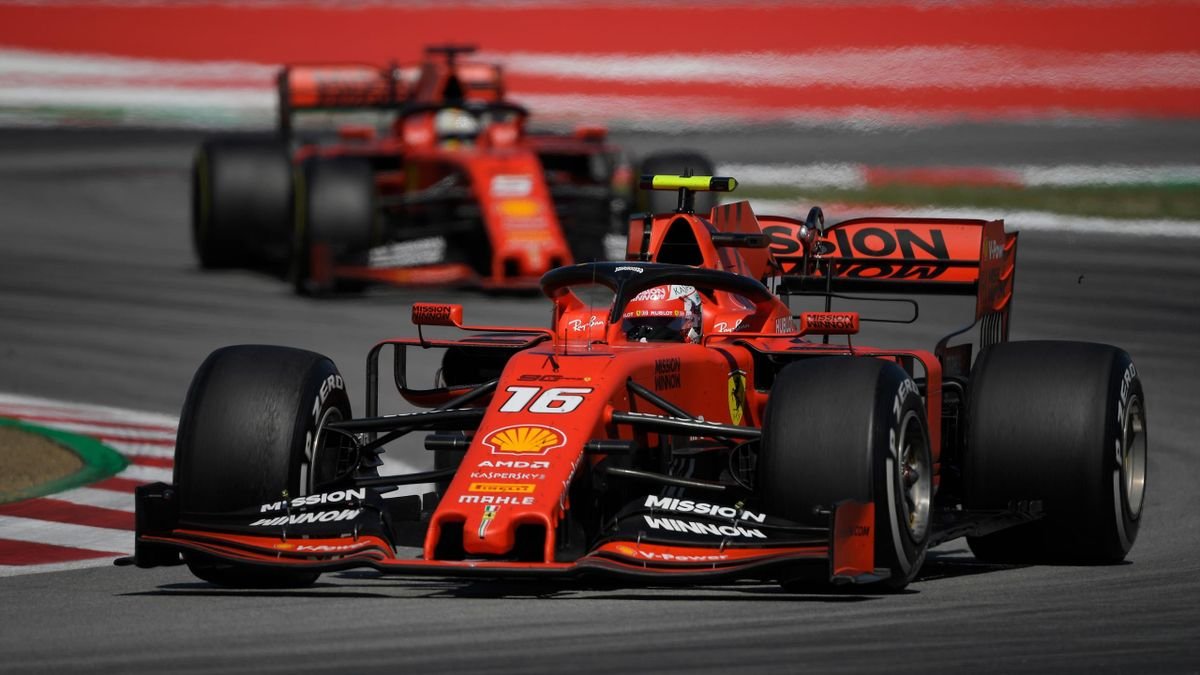
This means that the “Visit Rwanda” logo will disappear from the team’s kits starting next season. The partnership has lasted nearly ten years and has delivered solid gains for both sides.
During this period, Rwanda enjoyed a notable rise in tourist arrivals. It was supported by a broader national push to strengthen its global image and attract more international interest.
Arsenal’s involvement played a meaningful role in that process, with the club proving itself to be a dependable and effective commercial partner throughout the campaign.
What are the Effects of Arsenal Visit Rwanda Partnership Cancellation?

Although the partnership was highly beneficial, it also provided Arsenal with a major financial boost. Reports from Football Insider indicate that the club stands to miss out on at least £10 million ($13,235,650) in annual revenue following Arsenal Visit Rwanda partnership cancellation.
Even so, the financial setback is unlikely to dent Arsenal’s commercial appeal. Their impressive form in both domestic competitions and European football has strengthened the club’s marketability.
It made them an attractive option for governments and brands seeking global visibility. With the “Visit Rwanda” deal coming to a close, Arsenal now has room to pursue fresh sponsorship opportunities.
Given their strong reputation and worldwide following, the Gunners are well-placed to replace the lost income through new partnerships.
Whether with other nations, global institutions, or major companies eager to be associated with a top European side.
While the Arsenal Visit Rwanda partnership cancellation ends a notable chapter, Arsenal’s commercial outlook remains strong.
The club is expected to continue expanding its global footprint and securing lucrative business deals that sustain healthy revenue growth.
What Was Arsenal’s Visit Rwanda About?

Arsenal’s “Visit Rwanda” campaign was a high-profile, multi-year sleeve sponsorship deal and tourism partnership announced in 2018 and renewed in 2021.
At its core, it was a strategic nation-branding initiative by the Rwandan government. Rwanda paid an estimated £10 million per year to feature the “Visit Rwanda” logo on the left sleeve of Arsenal’s men’s and women’s first-team kits.
The campaign’s primary objective was to redefine Rwanda’s global image, shifting international perception away from the tragic 1994 genocide toward that of a modern, stable, and luxurious tourist destination.
By leveraging Arsenal’s massive global fanbase and media exposure, Rwanda aimed to attract high-end tourism, highlighting its mountain gorillas, luxury safaris, and conference facilities.
The partnership also included football development programs in Rwanda, such as coaching for girls, aligning with the country’s broader development goals.
For Arsenal, it represented a lucrative commercial partnership that boosted revenue. However, the campaign faced significant controversy and criticism from human rights groups, UK opposition politicians, and even some fans.
The aftermath was Arsenal Visit Rwanda partnership cancellation. Critics argued it was an expensive exercise in “sportswashing,” diverting public funds to polish the image of President Paul Kagame.
It was widely reported that the deal hoodwinked concerns over political repression and human rights records. Despite the backlash, the partnership was a perfect example of a country using elite sports sponsorship as a tool for economic and reputational transformation.
Discover more from Sportsleo News
Subscribe to get the latest posts sent to your email.