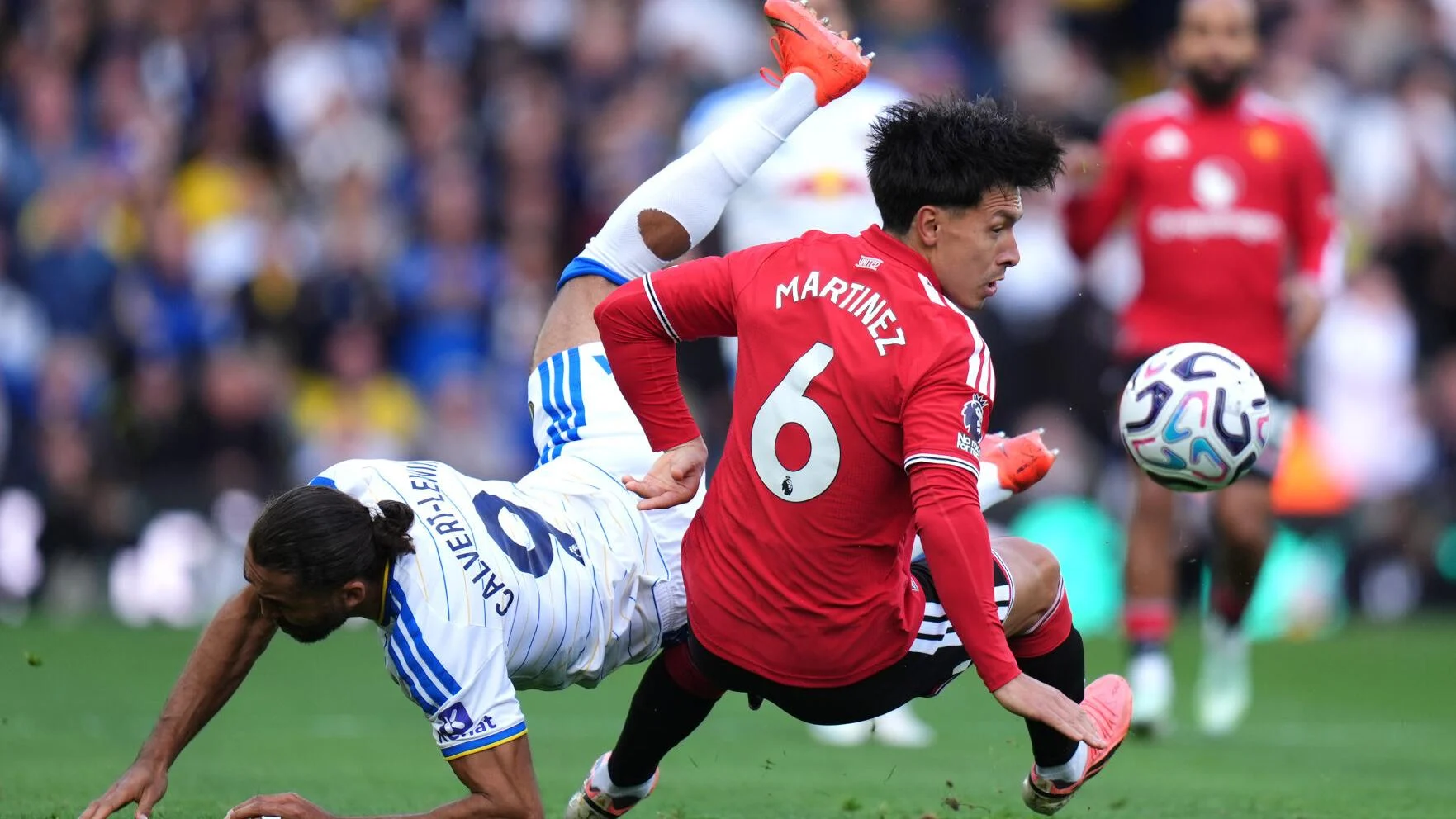



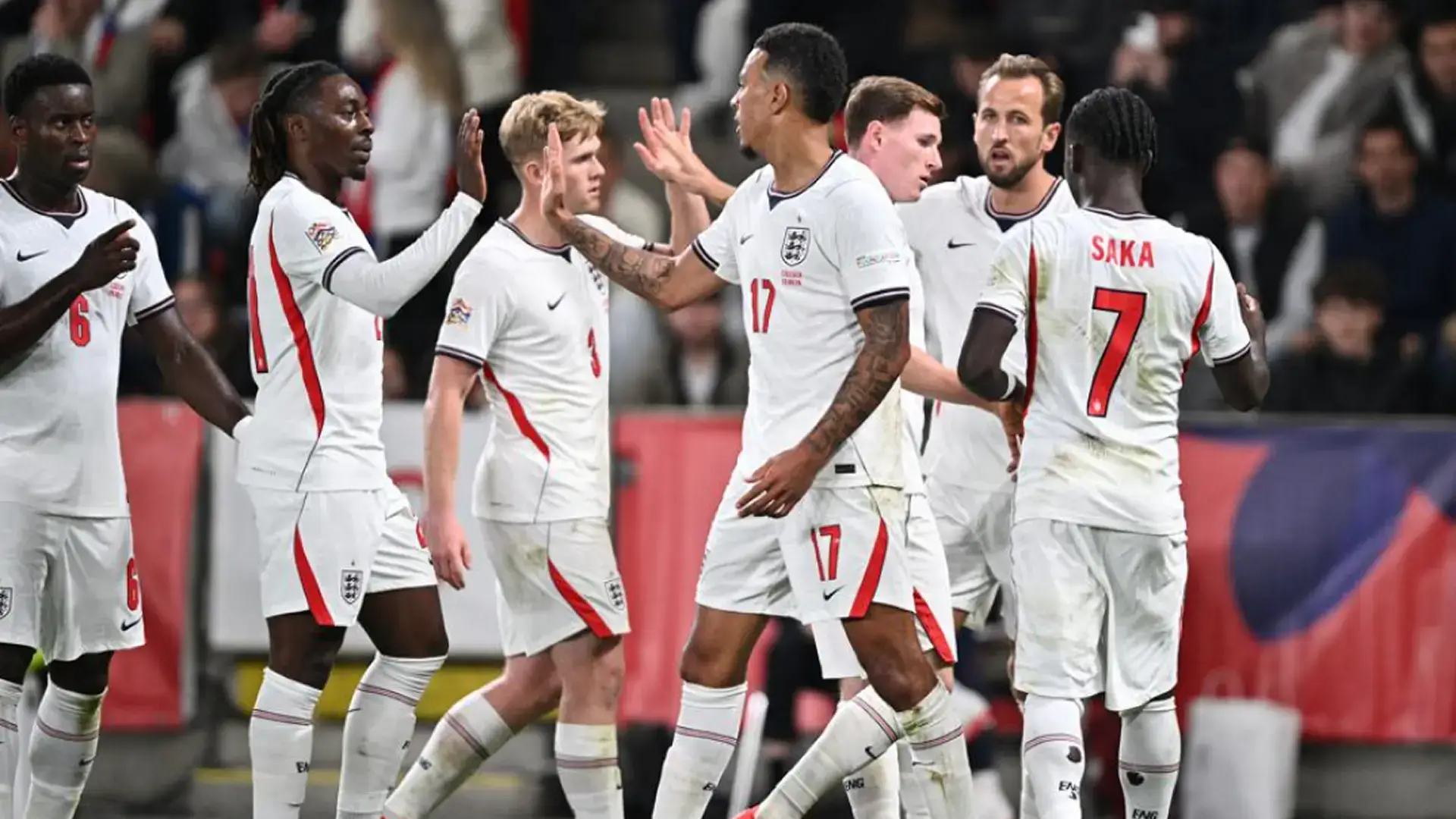



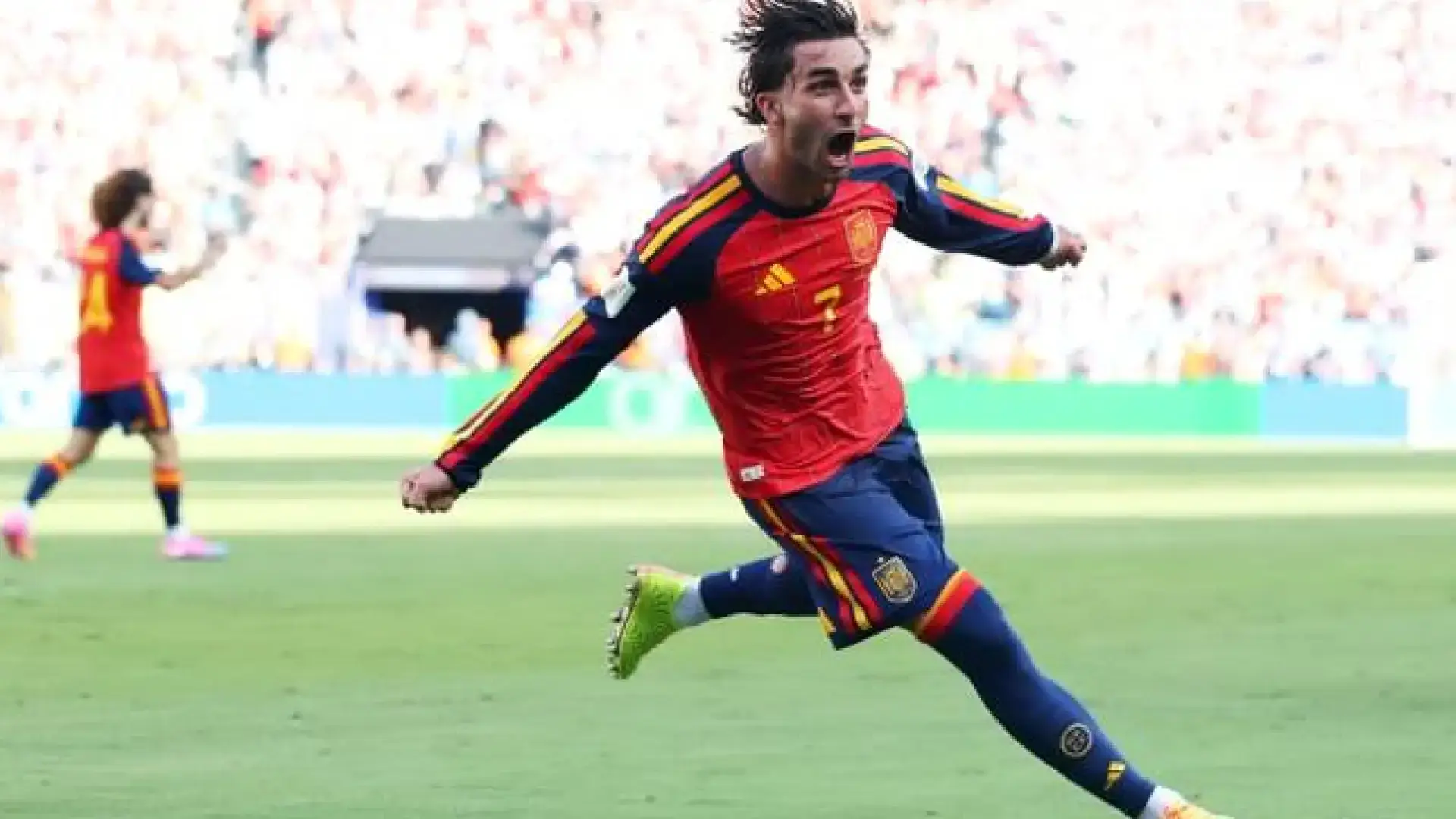
- In a world where millions dream of becoming professionals, it feels almost impossible to imagine someone at the top level being indifferent to the game
- Surprisingly, there are footballers who are not in love with the beautiful game
- While Gareth Bale clearly has love for some aspects of the sport, he has admitted that his true passion lies elsewhere
Footballers who don’t love football sounds strange, right? In a world where millions dream of becoming professionals, it feels almost impossible to imagine someone at the top level being indifferent to the game.
Yet, it happens more often than people think. Behind the bright lights, packed stadiums, and glamorous contracts, there’s a quiet truth: not every professional footballer is in love with the beautiful game. Some see it as a job, a duty, a ticket to a better life — not a passion that drives their soul.
It’s a fascinating and often misunderstood reality. Fans grow up idolizing players, assuming every goal celebration, every trophy lift, and every interview is powered by pure love for the sport. But for some athletes, football is simply a means to an end, a career path that pays well, but doesn’t stir the heart.
The Myth of Constant Passion
We’ve been told that to reach the top, you must love what you do. And sure, many footballers like Lionel Messi and Cristiano Ronaldo clearly have an emotional bond with the game. But there’s another side: players who succeed because of talent, discipline, or family expectation, not affection.
Not everyone who’s good at something loves it. That’s true in every profession, and football is no different. The difference is, in football, the world expects players to show passion — to live and breathe the sport 24/7. That pressure can be suffocating for those who see the game as work rather than worship.
When you think about footballers who don’t love football, you’re not looking at lazy or ungrateful people. Often, you’re looking at professionals doing their job — and doing it well — even when the emotional connection is missing.
When Football Becomes a Job, Not a Joy
Some players openly admit that they fell out of love with football once it turned into a career. Training routines, media pressure, travel schedules, and social scrutiny can drain the fun out of the sport.
Here are famous footballers who have openly admitted that they don’t enjoy the beautiful game:
1. Benoît Assou-Ekotto
Benoît Assou-Ekotto is a former footballer who is best known for his time with Tottenham Hotspur. In interviews while at Tottenham, he made it clear that for him, football was more job than obsession. He said things like:
“It’s a good, good job and I don’t say that I hate football but it’s not my passion. All people, everyone, when they go to a job, it’s for the money. So I don’t understand why, when I said I play for the money, people were shocked. Oh, he’s a mercenary. Every player is like that.” He said, according to The Guardian.
Assou-Ekotto described how outside of his professional life, he didn’t follow all the hype, the press, the fans, or the constant expectations. When he’s off the pitch, he said, he focused on family and other things that made him happy.
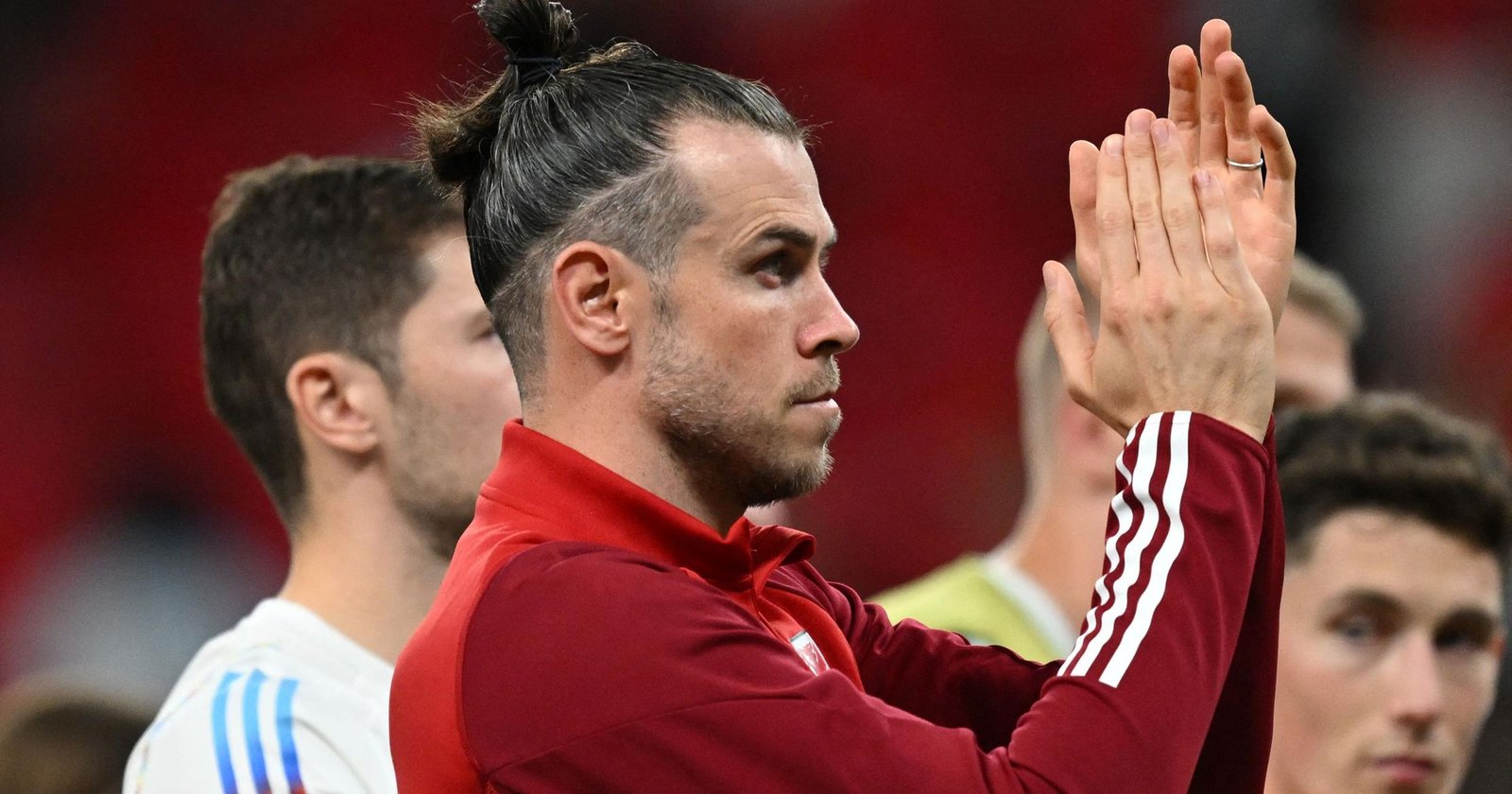
2. Gareth Bale
While Gareth Bale clearly has love for some aspects of the sport (let’s be real, his skill and performances show that), he has admitted that his true passion lies elsewhere. Golf, for instance, has always been Bale’s escape and preferred pastime.
In 2018, Bale confessed: “I don’t really watch much football. I’d rather watch the golf to be honest.”
It’s not that he hates the game; he just seems to prefer being on the course sometimes. For Bale, football is a career and a way of life, but golf is also where his heart often seems to drift.
3. Carlos Tévez
Carlos Tévez is another name that comes up in lists of footballers who don’t love football (or at least don’t love watching or following it as many would expect).
The former Manchester United man has reportedly said that he likes playing, having the ball at his feet, but is not someone who watches a lot of matches or engages in the fan-style side of football.
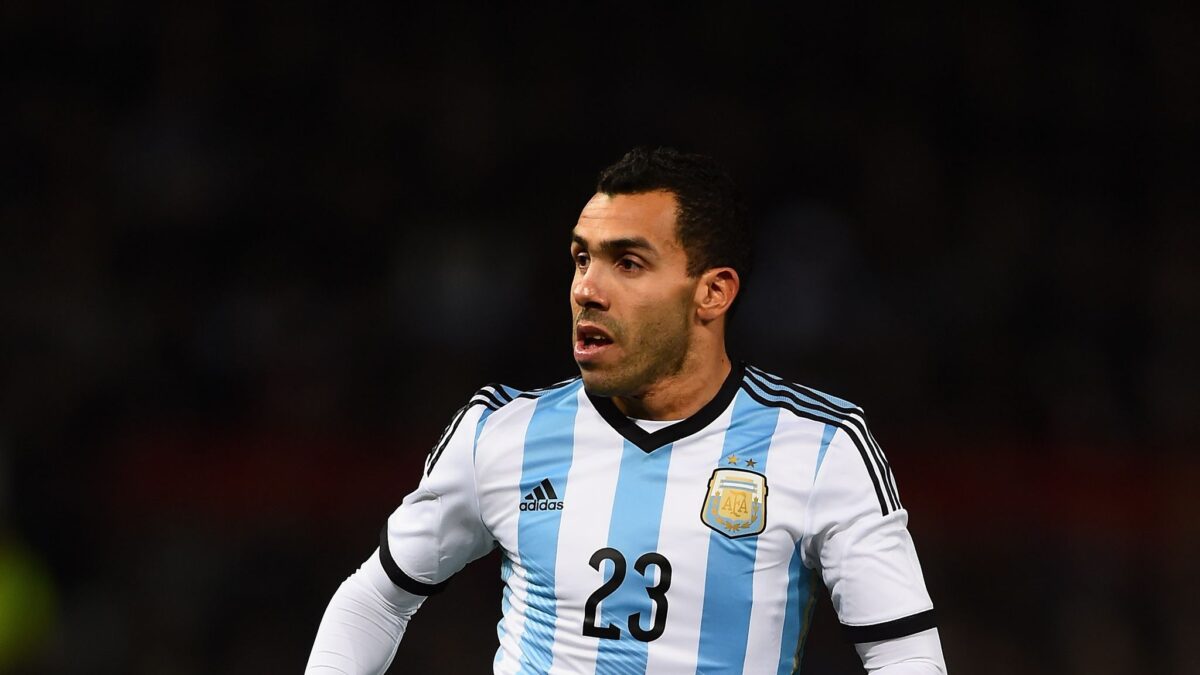
“I don’t like football, I’ve never been a fan of football, I simply like to play and to have the ball… if Barcelona and Real Madrid are playing each other, but there is a golf tournament on another channel, I’ll choose to watch the golf instead.” The Mirror quotes Tevez.
So, for Tévez, the joy is in the playing, not in consuming the spectacle that surrounds professional football.
The Hidden Burnout
Lack of passion isn’t always there from the start. For many, it’s a flame that fades over time. Imagine dedicating your entire youth to one thing — endless training, strict diets, and constant judgment — only to reach the top and feel empty.
Some footballers lose their love for the game because of the system itself. The pressure to perform, criticism from fans, and commercial demands can be brutal. Football, once a playground dream, turns into a stressful corporate machine.
The Lifestyle vs. The Love
Let’s be honest — football pays very well. Even at lower professional levels, it’s a lucrative career compared to most jobs. So, it’s understandable that some players stick around for the lifestyle: the security, the travel, the fame.
For these footballers who don’t love football, the motivation isn’t trophies — it’s stability. And in a way, that’s not wrong. They’re professionals earning a living through a skill they’ve mastered. It’s just that their hearts aren’t racing when they hear the Champions League anthem.
This disconnect can even extend off the pitch. Some don’t watch football, can’t name players from other leagues, or prefer video games, cars, or business ventures over post-match analysis. They clock out when training ends — just like someone leaving an office at 5 p.m.
The Cost of Honesty
Ironically, honesty about not loving football can hurt a player’s career more than poor performance. Fans want heroes who live for the crest, not employees who see the job as a paycheck.
When Assou-Ekotto or Schürrle spoke out, they faced backlash. But their truth reflects the reality for many professionals across all sports. Not everyone needs passion to perform. For some, it’s professionalism and routine that keep them going.
Even Gerard Piqué once said in an interview that he didn’t watch much football outside of his own matches. Zlatan Ibrahimović has made similar remarks in the past, claiming he doesn’t obsess over football when he’s home.

So, when you think of footballers who don’t love football, don’t think of them as ungrateful. Think of them as people — talented, human, and sometimes tired of the same world we all admire from afar.
Beyond the Pitch: Finding New Purpose
Interestingly, some players who admit they didn’t love football have gone on to find happiness after retirement. Without the pressure and constant spotlight, they rediscover their identity.
Take Sandro Wagner, the German forward. After retiring early, he said he finally felt free to explore life outside football. He later became a pundit and coach, embracing a side of the game that wasn’t tied to personal performance.
Many footballers who don’t love football also become entrepreneurs, philanthropists, or even completely change careers. They might not love football, but they often channel that same discipline into new passions — from fashion to real estate to film.
Why It Matters
Understanding that not every player is in love with football helps fans develop empathy. It humanizes the sport. We cheer, scream, and demand loyalty from players, forgetting that they’re employees under pressure, not superheroes.
It also reminds us that passion isn’t the only path to success. Hard work, discipline, and commitment can build a great career, even without emotional fireworks.
The Hidden Side of the Beautiful Game
Football has always sold itself as “the beautiful game.” And it is — for fans. But beauty looks different from the inside. For players, it can be a battlefield of expectations, physical pain, and emotional exhaustion.
So maybe, the next time you see a player looking detached or refusing to celebrate wildly, don’t judge too quickly. They might be one of those footballers who don’t love football — doing their best, performing at the highest level, and carrying the weight of a dream that was never really theirs.
Conclusion
Footballers who don’t love football remind us that even in a world driven by passion, not everyone’s story fits the same mold. Some play for glory, some play for their families, and some play because it’s what they’re good at.
And maybe that’s the beauty of it — football, like life, isn’t one-size-fits-all. Some players live for the roar of the crowd, while others long for the quiet after the final whistle.
Whether driven by love or livelihood, every player who steps onto the pitch contributes to the spectacle we adore. And as fans, perhaps the most respectful thing we can do is appreciate their craft — even if their heart beats a little differently. Because in the end, whether they love football or not, they’ve still given us moments we’ll never forget.