












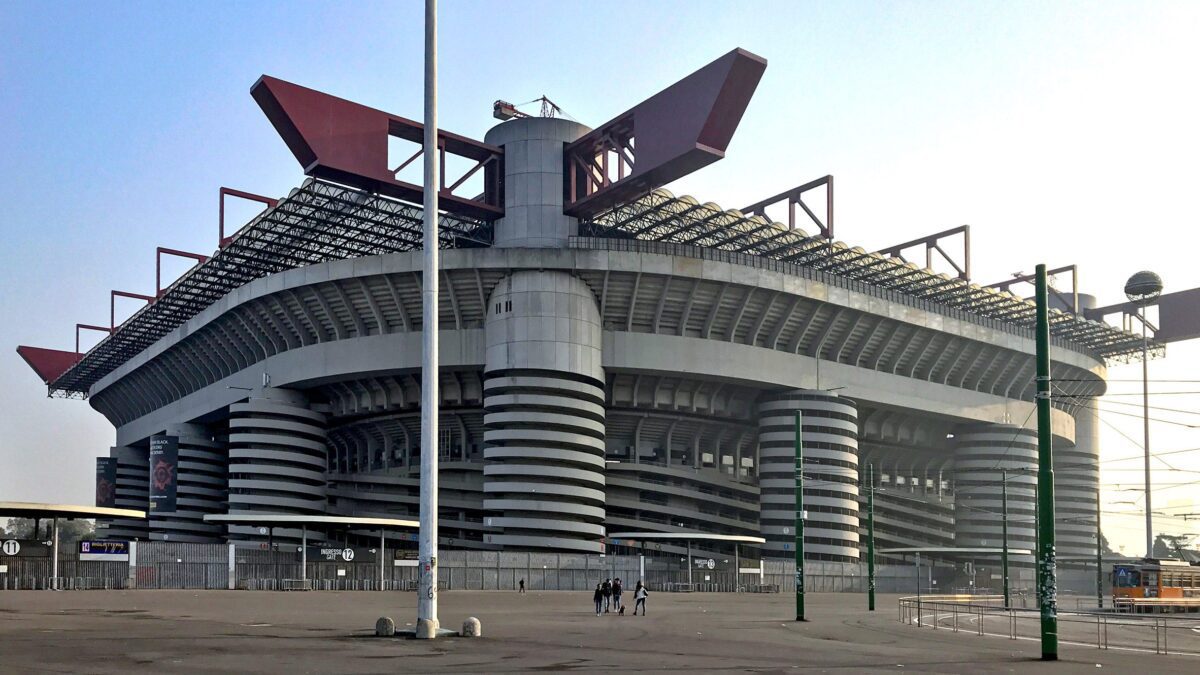
- San Siro Stadium has long been the beating heart of Milan’s football culture, but change is coming
- The new stadium will have a capacity of around 71,500 seats, somewhat lower than San Siro’s current capacity but focused on comfort, visibility, and premium experiences
- San Siro, also known as Stadio Giuseppe Meazza, has been shared by AC Milan and Inter since 1947
San Siro Stadium has long been the beating heart of Milan’s football culture, but change is coming. The iconic San Siro will be demolished and replaced with a modern arena as AC Milan and Inter Milan, in agreement with the city council, press ahead with ambitious redevelopment plans.
This announcement marks the end of almost a century for the stadium, but also the beginning of a transformational project that aims to blend heritage, design, and modern standards.
“The clubs look ahead with confidence and responsibility to the next steps of the process that will lead to the creation of a new stadium meeting the highest international standards – a world-class facility destined to become a new architectural icon for Milan and a symbol of the passion of football fans around the world.” The clubs said on a joint statement, according to BBC Sport.
Why San Siro Stadium Needs a Replacement
San Siro’s storied past is unquestionable. Since its inauguration in 1926, it has hosted some of football’s most memorable moments. But over time, the stadium has shown its age.
Shortcomings of the Current Venue
- Dated facilities and amenities compared to top European stadiums.
- Regulatory and safety challenges, especially as international standards rise.
- Financial limitations: with high maintenance costs, San Siro’s revenue generation lags behind that of modern stadiums.
These drawbacks have prompted both clubs to push for a new, more efficient venue that meets the demands of modern football. San Siro Stadium replacement is not simply a luxury—it’s seen as essential to staying competitive in Europe and accommodating large fanbases, revenue growth, and hosting major events like the European Championship in 2032.
The New Stadium Plan: What We Know
Here’s what has been confirmed so far about the new stadium that will replace San Siro:
Key Dates And Timeline
- City council approved the sale of San Siro and surrounding land to AC Milan and Inter for approximately €197 million, as per Reuters.
- Construction is expected to begin in 2027.
- The target opening date for the new stadium is 2030-2031 season.
- Full operation of the wider redevelopment (commercial/residential) may extend to 2033-2035.
Capacity, Design, and Features
- The new stadium will have a capacity of around 71,500 seats, somewhat lower than San Siro’s current capacity but focused on comfort, visibility, and premium experiences.
- It will be designed by Foster + Partners and Manica, architects with experience in large modern stadium/sports facility design.
- Modern amenities will include premium hospitality zones, skyboxes, lounges, improved ingress/egress via covered podiums, better accessibility, and likely sustainable energy features (e.g., photovoltaic panels, green areas) integrated into the design.
Urban Redevelopment & Heritage
- The new project goes beyond just replacing the legendary San Siro Stadium; it is part of a wider regeneration of the area, including commercial/residential development, public green space, and possibly cultural or public facilities for local residents.
- Preservation is planned for a portion of the original structure: a heritage section (part of the second tier or the second ring) of San Siro will be retained as a nod to the stadium’s history.
H2: Reactions, Challenges And Controversy
While many view the project as necessary, the replacement of San Siro has stirred debate.
- Local Opposition: Citizens’ groups, architects, and heritage activists have argued that San Siro is a symbol of Milan’s identity, and that demolition risks losing invaluable cultural heritage.
- Political Concerns: Some politicians opposed the sale or expressed concern about environment, traffic, and the cost for taxpayers.
- Financial & Technical Hurdles: Securing final paperwork by deadlines (for example, the deed of purchase by Nov 10 to avoid legal protection kicking in) is essential. Delays often come with legal challenges, design approvals, environmental impact assessments.
The new San Siro Stadium will have a capacity of 71,500. Photo/ StadiumDB.com. stadium database.
“San Siro is in everyone’s hearts, but the stadium is old. It’s impossible to combine the renovations with sporting commitments.” — Paolo Scaroni, AC Milan chairman said, as per The Stadium Business.
“Our aim is to complete the stadium in 2030.” He added.
What San Siro Has Given Milan And What The Football World Can Expect From The New Stadium
San Siro Stadium is not just a venue for football games—it is part of Milan’s soul. Reflecting its legacy helps understand why its replacement is such a charged topic.
Let’s take a look at what San Siro has given football fans in Italy:
Historical Significance
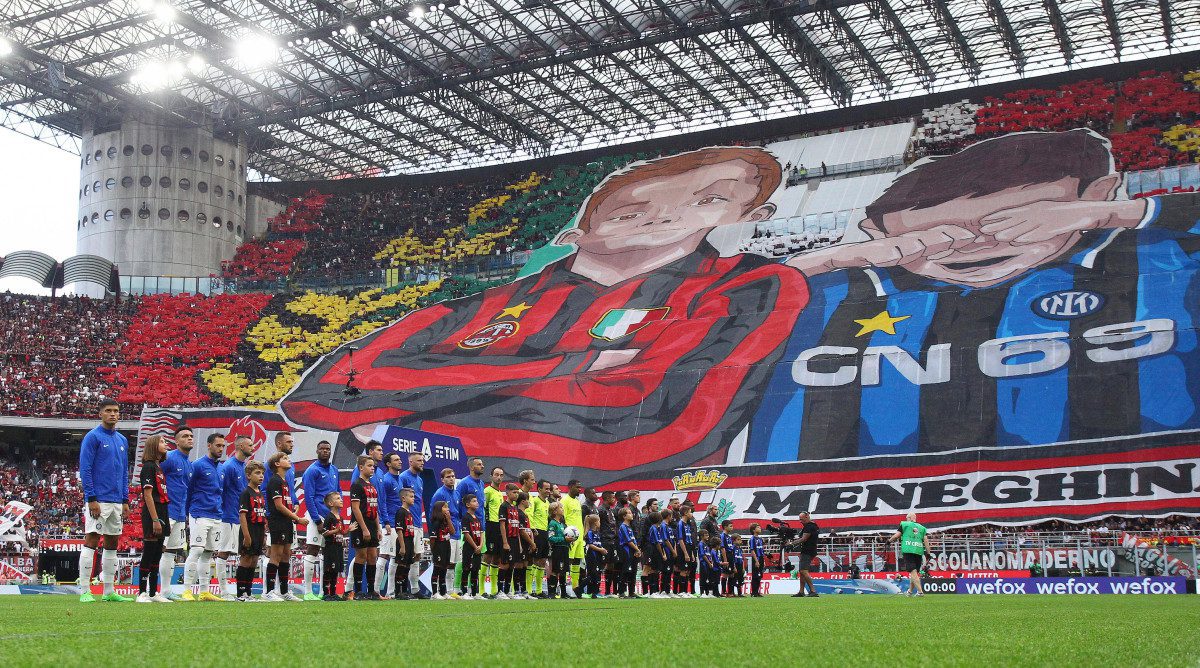
- San Siro Stadium, also known as Stadio Giuseppe Meazza, has been shared by AC Milan and Inter since 1947. Many legendary matches, clubs, and players have passed through its gates, including Paolo Maldini, Zlatan Ibrahimovic, Samuel Eto’o, Kaka and modern stars such as Romelu Lukaku, Gianluigi Donnarumma, Luka Modric and Lautaro Martinez.
- Hosted four Champions League finals, multiple Serie A seasons, world cups, concerts, and cultural events. Its iconic spiral ramps and vast scale contributed to its grandeur.
Expected Improvements with Replacement
One of the reasons the legendary San Siro Stadium will be demolished is for the two clubs to make improvements. The clubs and fans will benefit through:
- Improved matchday revenue through more hospitality, premium seats, sponsorship space, and possibly naming rights.
- Better comfort and safety for fans: improved ingress/egress, modern amenities, and efficiency.
- Ability to host big international tournaments (e.g. games in Euro 2032), opening ceremony of the Winter Olympics 2026, etc. The new venue aims to bring San Siro’s successors up to expected global standards.
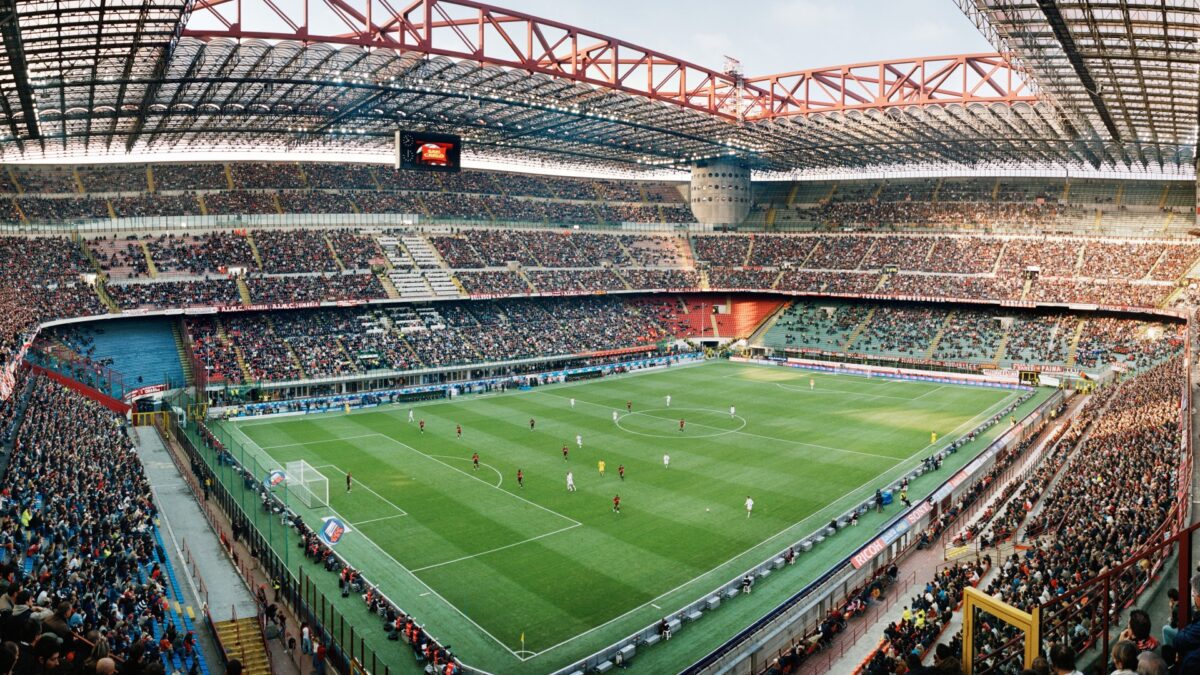
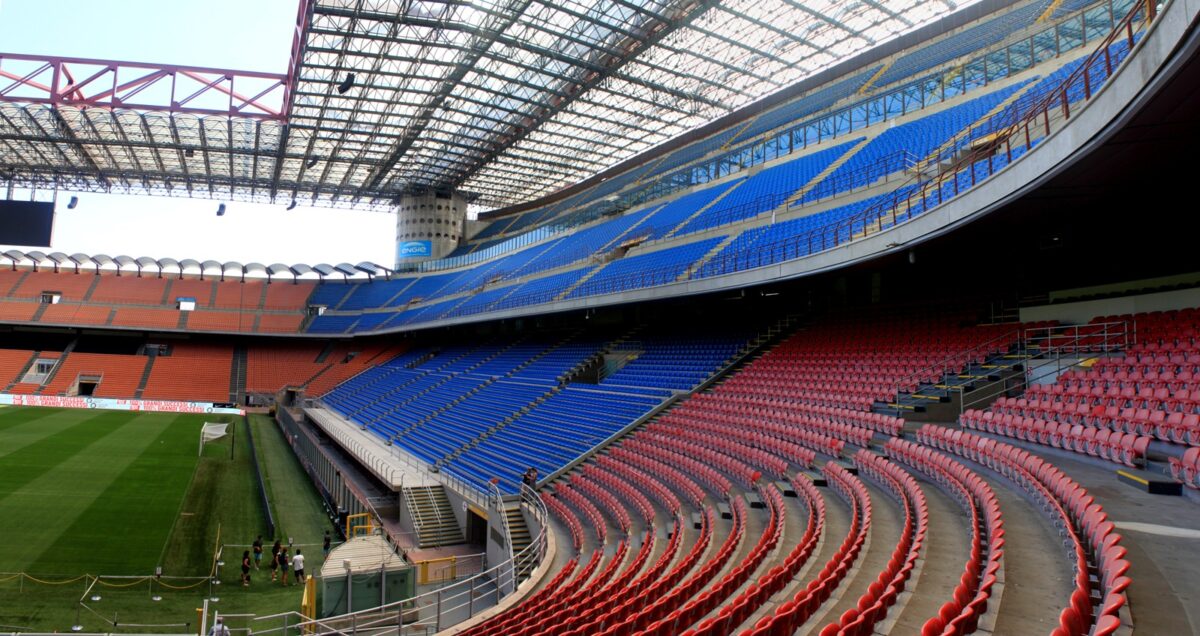
San Siro Stadium. Photo/ The New European.
Key Bulletin Points
- The City Council of Milan approved the €197 million sale of San Siro and surrounding land to AC Milan and Inter.
- Construction of the new San Siro is scheduled to begin in 2027, with opening in 2030-31.
- The new stadium will have about 71,500 seats, designed by Foster + Partners and Manica.
- Around 90% of the old San Siro will be demolished; a heritage section — especially part of the second tier / second ring — will be preserved.
- The broader redevelopment project includes green space, commercial and residential properties around the San Siro area.
Looking Ahead: What’s at Stake
The replacement of San Siro carries with it more than bricks and seats. What’s at stake goes deep into identity, economics, and the future of Milanese football.
- Identity vs Modernisation: How much of San Siro’s identity will be preserved, and whether its replacement can resonate emotionally with fans accustomed to San Siro’s atmosphere.
- Economic Implications: Ownership, revenue streams, and modern stadium facilities could narrow the financial gap between Milan’s clubs and some of Europe’s richest clubs. But there’s risk: cost overruns, disappointment, or loss of charm.
- Regulatory & Tournament Consequences: Hosting rights for big tournament games (Euro 2032), matches involving national teams, and image among international bodies like UEFA depend on having compliant stadiums. The replacement aims to fulfil those requirements.
- Community and Urban Impact: The redevelopment around San Siro offers opportunities for housing, jobs, public spaces—but also comes with concerns about traffic, heritage, and environmental effects.
Conclusion
As stated earlier, San Siro Stadium is more than just a football venue; it is a symbol of football history, passion, and architectural grandeur. Now, as Milan’s city council has approved its sale, and AC Milan and Inter Milan prepare to replace it with a new, modern stadium, the city faces a pivotal moment.
With construction slated for 2027 and a goal of completing the new stadium by the 2030-31 season, the project seeks to blend modern needs—comfort, revenue, international hosting capability—with respect for San Siro’s legacy. While about 90% of the old structure will be removed, plans to preserve a heritage section show an effort to maintain connection with the past.
Though change is never easy, the replacement of San Siro Stadium offers Milan a chance to turn a page—to reimagine football experience while honoring tradition. The stakes are high: for fans, clubs, and the community.
When the new stadium opens, it will stand not only as a venue but as a statement about what Italian football believes it deserves: stadiums that echo history and embrace the future.