


- Liz Mills knows no bounds in life
- She became the first female men’s basketball coach in a major international competition
- Although she is Australian, her coaching stint was in Africa
Australian Liz Mills knows no bounds in life; she became the first female men’s basketball coach in a major international competition. She has an interesting story of her rise to unchartered waters and she is unapologetic about it. Her life is about seeing the unseen.
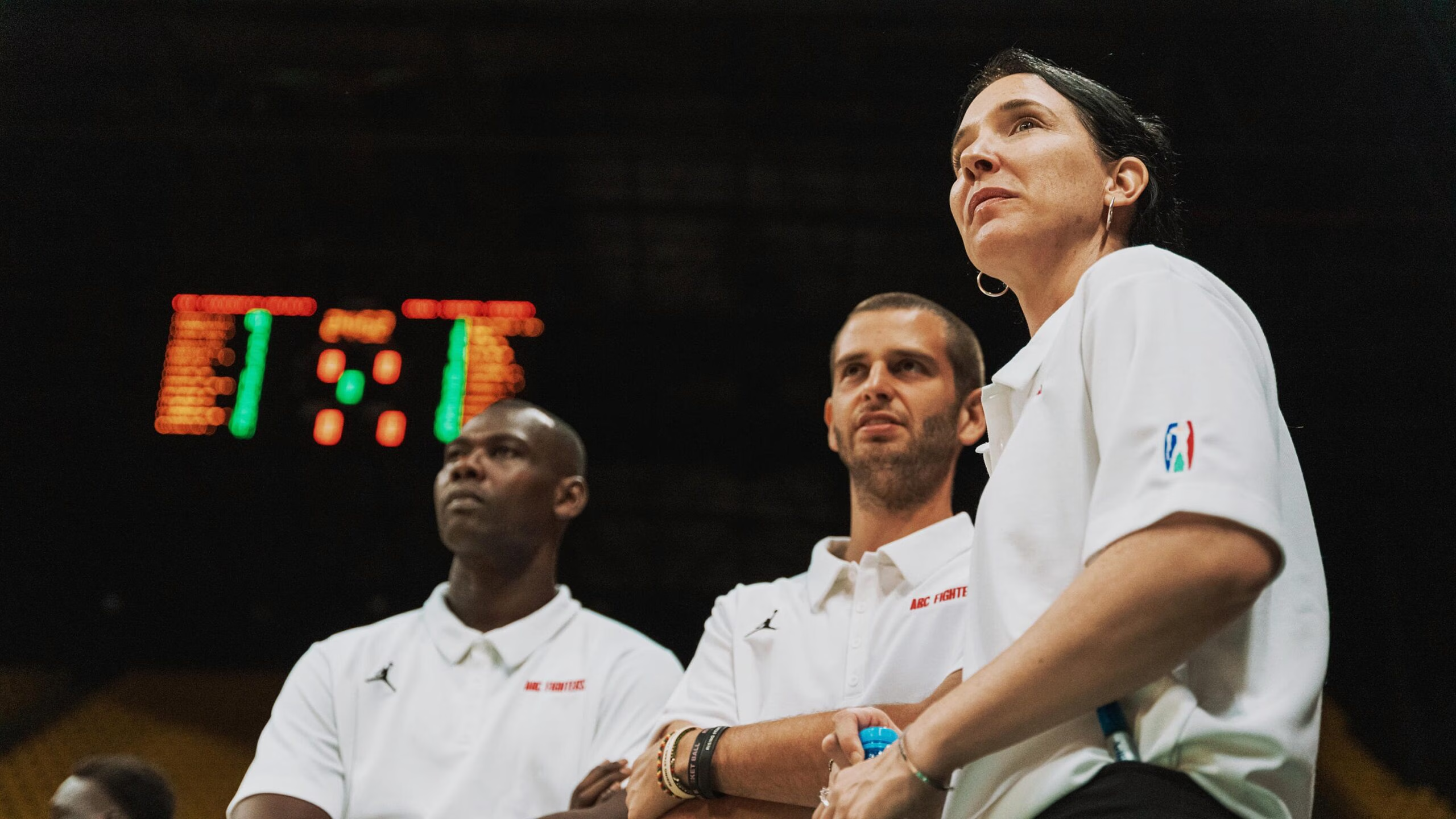
The majority of coaches always consider strategies, starting lineups, and the impending game as they enter the basketball floor. However, Mills must consider everything, even her attire, as the first woman to lead a men’s national team at a significant FIBA competition.
ALSO READ: Victor Osimhen Net Worth 2026: Real Estate, Endorsements, and Car Collection
She recounts an incident during an NBA match in Mozambique where she had to take a firm stand and let the world know who she was. On this day, she sauntered to the court with boots and was asked to take them off because they were too feminine.
Mills insisted on wearing the high-heeled boots, which have since become a signature attire. She takes great pride in being a female coach; her outfit is a statement to her team that she is there to coach them. All that matters is coaching and nothing more.

Life and childhood in Australia
Liz Mills was just a young girl from Australia who was very interested in sports and leadership before she became a coach who made history on the world stage.
Where She Grew Up
Mills grew up in Australia, a country where sports are very important and basketball has become more and more popular over the past few decades.
She grew up when the women’s league in the United States was getting bigger, so she was exposed to structured competition and professional standards early on. Many future coaches come from basketball dynasties, but Mills’ childhood was pretty normal. However, it was full of sports.
ALSO READ: The story of Carlos Bacca, footballer who was a bus conductor
Australia’s community-based sports system meant that weekends were often spent around courts, gyms, and local competitions.
Mills was surrounded by the rhythm of organized sports from a young age. She went to training sessions, league games, and the culture of teamwork. That environment not only made her love basketball, but it also taught her about discipline and structure.
Family History
While Mills has not often positioned her family life at the center of her public story, she has indicated that she grew up in a supportive household that encouraged independence and ambition. For many Australian families, sports were not only a way to have fun but also a way to build character.
ALSO READ: Bukayo Saka girlfriend: Who Is He Dating in 2026?
She was raised to be strong and believe in herself, two traits that would later be very important as she worked as a coach in the male-dominated Africa and Middle East. Support from home helped her believe that gender didn’t limit leadership.
First Exposure to Sports
Mills was introduced to sport at a young age, participating in basketball during her school years. But what made her experience different was where her mind went during games. Most young athletes are interested in star players, but Mills was more interested in the sidelines.
When Mills was growing up, she attended games in the Women’s National Basketball League (WNBL), which is Australia’s top women’s league. The league had strong, visible female leaders in the 1990s and early 2000s, and that visibility had a lasting effect on her.
Instead of idolizing the players, she studied the coaches.
Carrie Graf and Jan Stirling were two names that really stood out. Both were very respected head coaches who led their teams to championships and had a lot of power on the sidelines.
Young Liz Mills was changed by seeing women in charge, not just taking part but also making decisions about strategy. It made me think that coaching was not only possible for women, but also powerful.
Why She Was Drawn to Coaching Instead of Playing
Mills has been honest about the fact that she wasn’t a top-level player. She liked playing, but she quickly realized that she was better at other things.
She realized that she was analytical. She loved looking at plays, figuring out why some strategies worked and others didn’t, and breaking them down. Even as a teen, she would think about how to improve defensive rotations or question decisions about substitutions. She was always thinking about basketball.
While others looked for chances to score, she looked at space. While her teammates got upset when they won or lost, she tried to figure out why that happened.
She liked coaching because it combined strategy, leadership, and psychology. It gave her power over the whole system instead of just her own performance. She understood that even though she might not be the strongest player on the court, she could still change the outcome with her mind.
That self-awareness—knowing where her real strengths were—was a big part of her career.
As a child, she was competitive, analytical, and observant. Mills showed traits that would later define her coaching style even when she was young.
Competitive: She hated losing, not because she was proud of herself, but because she wanted to learn how to get better. Losses were problems to solve, not things to be sad about.
Analytical: Friends and teammates saw that she thought about games in a different way. She would think about the scenes again and again, wondering what she could have done differently. Later, this analytical side of her would help her when she was watching game footage or writing scouting reports.
Observant: Maybe the best thing about her was how well she could read people. As a kid, she watched how coaches talked to their players. She saw who responded to tough love, who needed encouragement, and who needed more information. That knowledge of how people interact with each other became a big part of her coaching style later in life.
She was less interested in being in the spotlight and more interested in how systems worked. That way of thinking is rare in young athletes and is often the start of new coaches.
Liz Mills Love For Basketball
Mills grew up watching the Women’s National Basketball League in Australia. Unlike others, the coaches on the sidelines were the ones that motivated her rather than the players.
Carrie Graf and Jan Sterling, the head coaches of women’s teams in the 1990s and the early 2000s made her fall in love with basketball. They placed the concept in her brain that she could be a wonderful coach, although she is not a great player.
She witnessed these smart, accomplished, and powerful women winning the league. These victories told herself that she, too, could do as well.

Mills was motivated by trailblazers in the women’s game, but she would forge her own path to trailblazing. In a sport where male coaches are almost solely the norm, she is a trailblazer and a champion for women.
Liz Mills Coaching Career
When Lizz Mills was working in Zambia, she received an invitation from a friend to watch a local men’s club team. Mills had spent several years coaching basketball in Australia, primarily with young teens.
When watching different matches, the fire to get into coaching burned brighter. She took a major step, which is the genesis of her coaching career.
“I go up to one of the players and ask, ‘Do you have a club president or anything here?’” CNN Sports quotes her in a past interview.
“And he introduced me to the club president. He worked for the World Bank, Maziko Phiri, and was very open-minded, so we have a chat and he said, ‘OK, you can have an hour of practice.’”
One training session followed another, and Mills took over as manager of Heroes Play United after that one hour. Before gaining her big break as the head coach of the Kenyan men’s national team, Mills spent the next decade coaching club teams in Zambia and Rwanda.
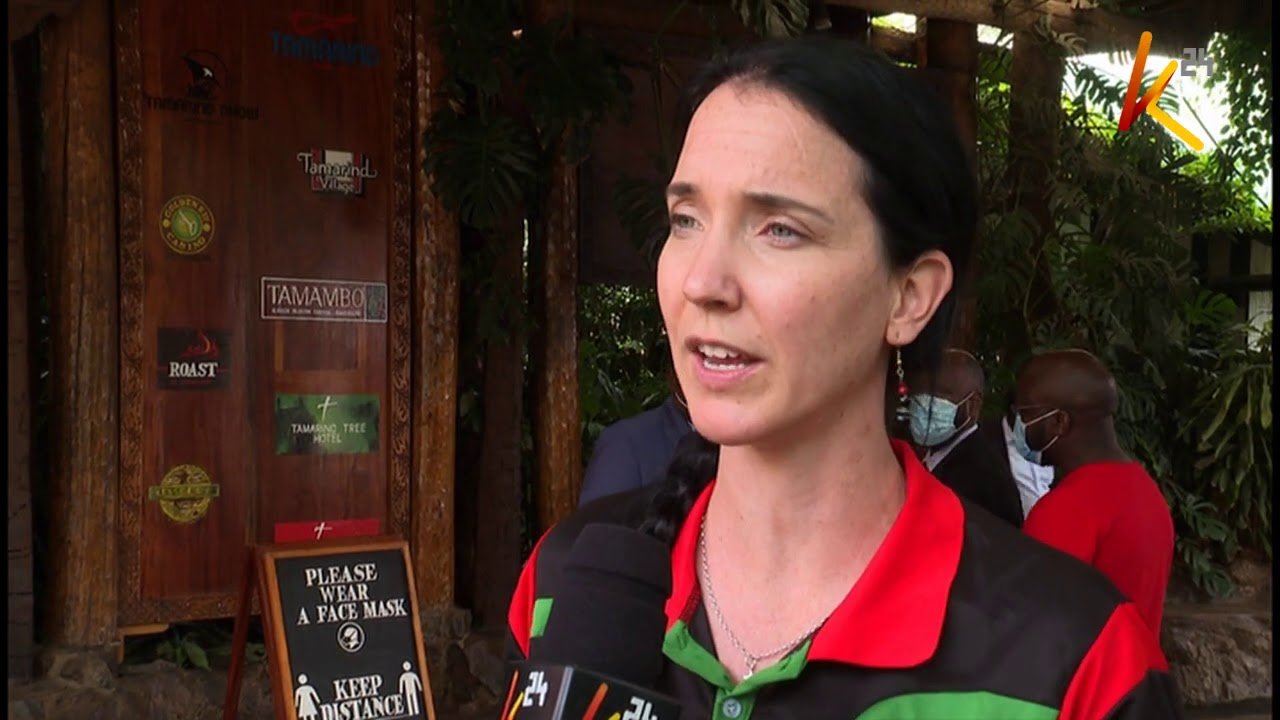
She worked as an assistant coach for Zambia and Cameroon national teams. Kenya was hoping to qualify for Africa’s top championship for the first time in 28 years when Mills took over the position of Kenya’s head coach before the AfroBasket 2021 qualifiers.
Her Success
Lizz Mills made her delivery as required in the most spectacular way. The Kenyan Morans were guaranteed a position in the competition when player Tylor Ongwae made a buzzer-beater in February 2021.
Ongwae helped Kenya defeat Angola, the most successful team in AfroBasket history. She led Kenya to its first-ever group stage exit in the competition.
With that achievement under her belt, Mills relocated from East to North Africa, taking over the Moroccan club AS Salé.
She achieved two more feats here. Mills became the first woman to coach a men’s basketball team in the Arab world, and the first woman to do so at the Olympic Games. When she reflects on her struggles and triumphs, Mills implores it’s not been easy all through. She had her moments of putting up with bigotry and prejudice.
Mills accustomed to being in the spotlight and is aware that women coaches bear the burden of failure. Not the team like when having male coaches.
Following the end of her stint in Kenya, Mills moved to Morocco where she coached AS Sale. She then had a spell at ABC Fighters before taking charge over Bangui Sporting Club. She didn’t renew her contract with the Central African Republic club last year due to unpaid salaries.
Conclusion
Liz Mills’ story isn’t just about basketball; it’s also about how to see things differently, have courage, and change the way we think about leadership in sports.
Her journey shows how strong belief and hard work can be when they are combined with preparation. She went from watching coaches on the sidelines in Australia to standing courtside at major international competitions.
Mills has repeatedly entered areas where few, if any, women have gone before during her career. She has faced doubt, cultural barriers, and intense scrutiny while coaching men’s club teams in Africa, leading national teams, and guiding players on the world stage.
But every challenge made her more determined, not less. Instead of trying to fit in with a traditionally male environment, she chose to be herself and even made her clothes a sign of confidence and authority.
More importantly, her accomplishments have opened doors for others as well. Every training session she leads and every game she coaches changes how people think about women in sports leadership roles. Players, fans, and young coaches who want to be coaches now have a real example of how competence, preparation, and knowledge, not gender, make a coach.
FAQs
1. Who is Liz Mills?
Liz Mills is an Australian basketball coach who made history by being the first woman to coach a men’s national basketball team in a major international competition. She has coached teams in Africa and the Middle East, which is a big achievement in a sport that is mostly dominated by men.
2. What is Liz Mills famous for?
She is known for being a pioneer in men’s basketball, coaching national and club teams in Kenya, Morocco, and the Central African Republic, among other places. Her iconic high-heeled boots are also well-known, and they stand for confidence and power on the sidelines.
3. Which men’s national team did Liz Mills coach first?
Liz Mills became the head coach of the Kenya Morans and led them to their first AfroBasket group stage qualification in decades, which was a historic achievement for both her career and Kenyan basketball.
4. What is her coaching philosophy?
Mills is all about getting ready, making plans, and helping players grow. She stresses the importance of discipline, working together, and knowing both the tactical and mental sides of basketball. She believes that respect, knowledge, and communication are what make someone a leader, not their gender.
5. Why did Liz Mills choose coaching over playing?
Mills played basketball as a kid, but she quickly realized that her strengths were in observation, analysis, and strategy, not in sports. As a coach, she could use her analytical mind and leadership skills to change the course of whole games and teams.