





- Wilfredo Gomez, the legendary three-division world champion and Hall of Famer, passed away in Puerto Rico on October 10, 2026, at the age of 69 due to respiratory complications.
- Renowned for his 17-defense knockout streak at the super bantamweight level, he finished his professional career with an astounding record of 44 wins, 3 losses, and 1 draw, including 42 knockouts.
- Global boxing leadership, including the WBC and WBO, have honored him as one of the sport’s greatest icons and a cornerstone of the historic Puerto Rico-Mexico boxing rivalry.
Table of Contents
The boxing world is in deep mourning following the passing of Wilfredo Gomez, who died on the night of Saturday, October 10, 2026.
At 69 years old, the Puerto Rican icon succumbed to respiratory complications after a difficult two-week hospitalization. His son, Wilfredo Gomez Jr., confirmed the news that has sent shockwaves through the sporting landscape.
ALSO READ: Manny Pacquiao Wife and Kids: Family Tree, Political Career, and Life After Boxing
Known affectionately as “Bazooka,” he was more than a fighter; he was a national symbol. From the streets of San Juan to the grandest arenas in Las Vegas, his career defined an era of ferocity and skill. His departure leaves a void that the boxing community, from Canastota to Mexico City, will feel for decades.
The Rise of “Bazooka”: From Las Monjas to Amateur World Champion
Born on October 29, 1956, in the Las Monjas sector of San Juan, the young phenom discovered his path early. He quickly identified boxing as his calling, showing a level of aggression that belied his age. By the time he reached his teenage years, he was already dominating the amateur circuit.
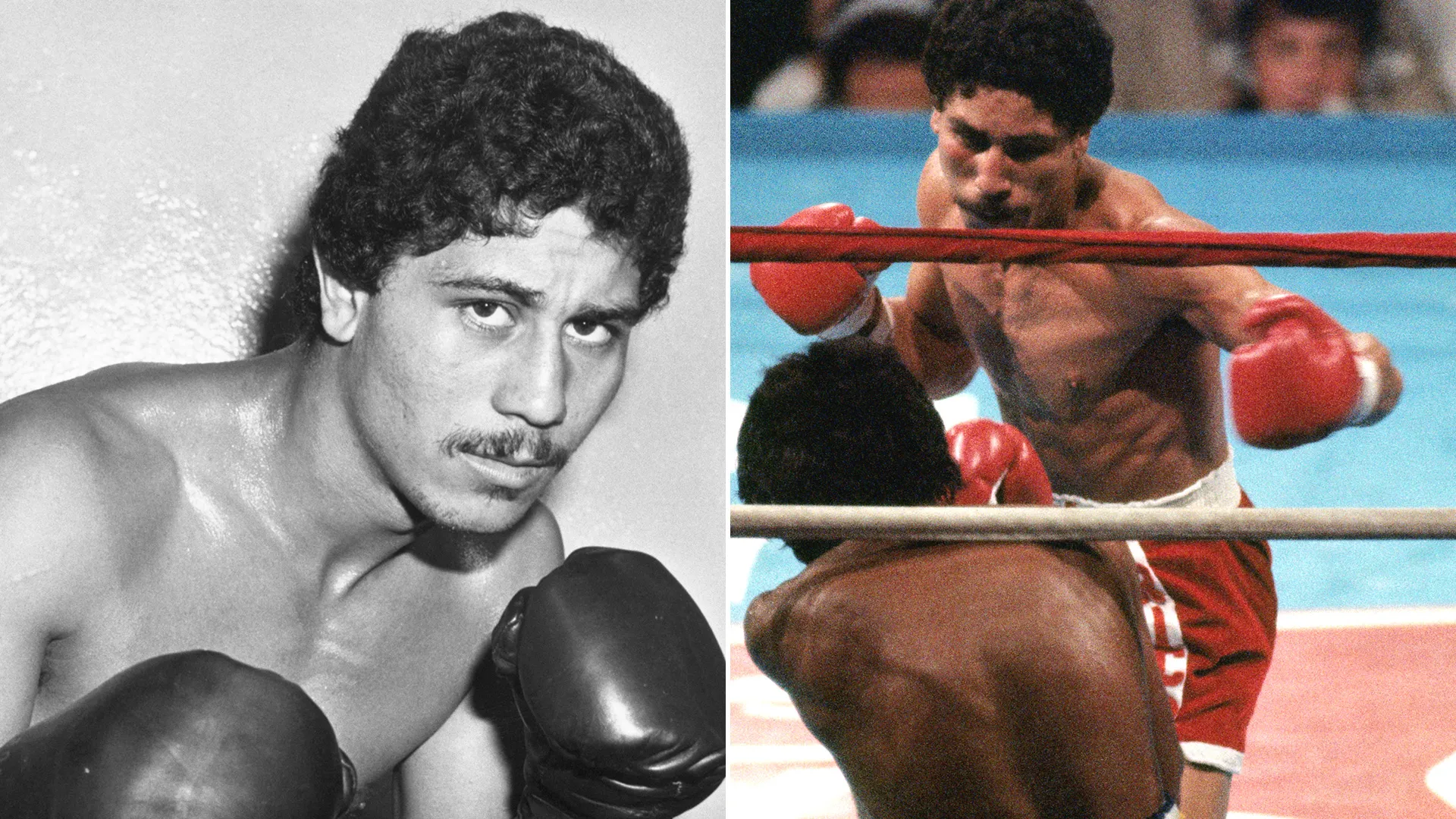
He represented Puerto Rico at the 1972 Munich Olympics, an experience that forged his resolve despite the pressure of global competition. He transformed that ambition into success in 1974 at the inaugural World Amateur Boxing Championships in Havana, Cuba.
ALSO READ: Oscar De La Hoya Net Worth: How “The Golden Boy” Built a $200M Boxing Empire
There, he achieved a feat that served as a harbinger of his professional career: he won the gold medal by stopping all four of his opponents.
Seventeen Knockouts in a Row: The Unmatched Reign of Wilfredo Gomez
After turning professional, the world saw the emergence of a force of nature. In May 1977, he captured the WBC Super Bantamweight title by defeating Yum Dong-kyun.
This victory initiated a reign of terror at 122 pounds that remains one of the most remarkable statistical achievements in pugilistic history.
ALSO READ: Bernard Hopkins Net Worth, Golden Boy Equity & Career Earnings Breakdown
He defended his WBC title 17 consecutive times, and in a display of offensive perfection, he ended every single one of those bouts by knockout. This streak highlighted his nickname, “Bazooka,” as he possessed a singular ability to finish fights with either hand.
His 1978 victory over the undefeated Mexican champion Carlos Zarate remains a masterpiece of tactical violence, where he stopped his opponent in the fifth round.
Wilfredo Gomez passed away on Saturday, former WBO President Paco Valcarcel has announced. He was 69 years old.A former three-weight world champion and two-time Ring title holder, Gomez was considered one of the greatest Puerto Rican fighters of all time. https://t.co/BvPFH1ky2U
— Ring Magazine (@ringmagazine) October 11, 2026
His rivalry with Mexican fighters defined his legacy. In 1982, he engaged in an all-time classic against Lupe Pintor, stopping him in the 14th round. These fights were not mere sport; they were cultural events that polarized and captivated audiences across the Americas.
| Opponent | Year | Outcome | Division |
|---|---|---|---|
| Carlos Zarate | 1978 | Win (KO 5) | Super Bantamweight |
| Lupe Pintor | 1982 | Win (TKO 14) | Super Bantamweight |
| Salvador Sanchez | 1981 | Loss (TKO 8) | Featherweight |
War at 126 Pounds: The Salvador Sanchez Rivalry and Three-Division Glory
Moving up in weight to challenge Salvador Sanchez in 1981 brought the sport to a standstill. Held in Las Vegas, this fight was the ultimate clash of styles and nations. Although he suffered his first professional defeat via 8th-round TKO, the bout solidified his reputation for bravery.
He did not let that loss define his trajectory. He continued to pursue greatness across weight classes, eventually securing titles at featherweight and super featherweight.
ALSO READ: Oleksandr Usyk Boxing: Has Usyk Ever Lost a Boxing Fight?
His victory over Juan Laporte in 1984 earned him the WBA Featherweight crown, while his triumph over Rocky Lockridge in 1985 secured the WBA Super Featherweight title.
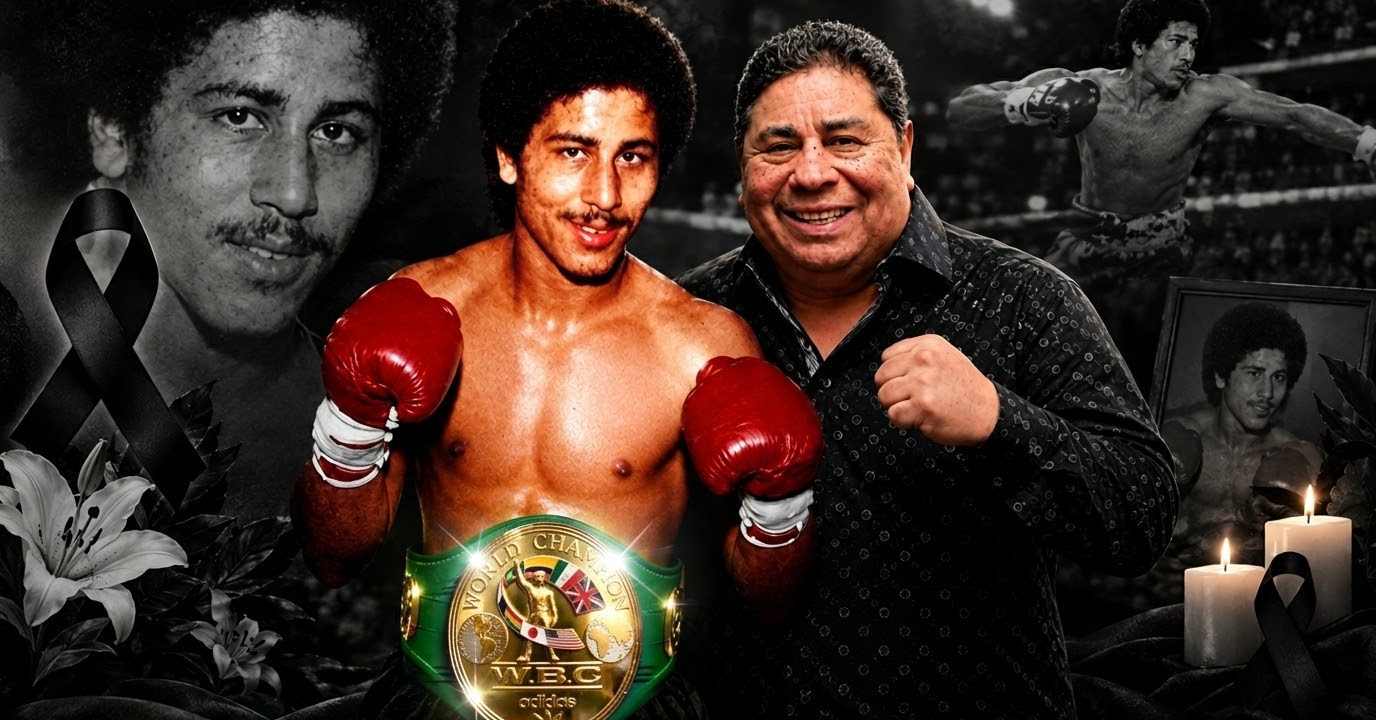
Hall of Fame Induction and National Icon Status in Puerto Rico
His professional ledger closed at 44 wins, 3 losses, and 1 draw, with a staggering 42 knockouts. This 87 percent knockout rate places him in the highest echelon of historical punchers.
In 1995, his achievements were cemented when he was inducted into the International Boxing Hall of Fame in Canastota.
In Puerto Rico, his name sits alongside legendary icons like Roberto Clemente and Felix Trinidad. He provided the island with hope and pride during times when sport was the only avenue for global recognition. His presence in the ring was a source of national identity, and he carried that weight with a signature confidence.
Local fans remember him for his accessibility and his willingness to fight any challenger. On the streets of San Juan, the mood is somber, with many remembering the days when traffic would stop and televisions would flicker to life just to catch a glimpse of him working toward another knockout.
Tributes Pour In: World Boxing Mourns Wilfredo Gomez
The global response to his passing has been unanimous in its respect. Paco Valcarcel, the former WBO President, noted that the sport has lost a transformative figure whose impact extended far beyond the ring ropes.
Meanwhile, WBC President Mauricio Sulaiman issued a formal tribute, explicitly recognizing Wilfredo Gomez as one of the greatest icons in boxing history.
These tributes emphasize the duality of the man: a lethal competitor who was also a deeply respected ambassador for the sport.
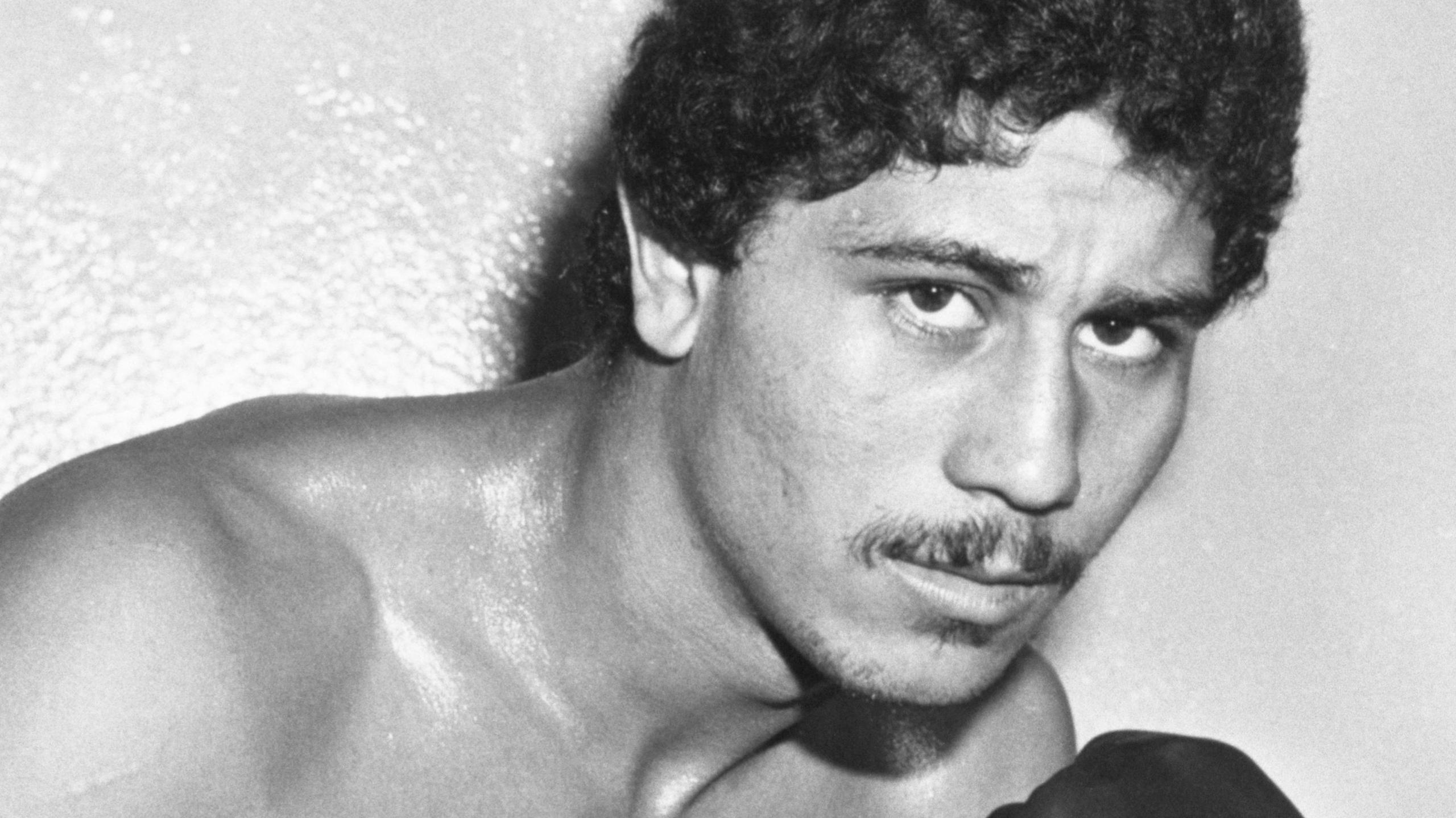
As we assess the lineage of combat sports, it is impossible to ignore the contribution of Wilfredo Gomez to the modern technical landscape. He brought a combination of aggression and precision that forced every weight class he entered to adapt to his standard.
The legacy of Wilfredo Gomez will persist through the thousands of fighters who seek to emulate his finishing instinct. While the sport evolves with new training metrics and tactical shifts, the fundamental brilliance of his 17-fight knockout streak remains an unreachable benchmark for most.
His life reminds us that greatness is not merely about the number of wins but the manner in which those wins are achieved.
He fought at a level that demanded total commitment, leaving nothing behind when the final bell sounded. May he rest in power, forever remembered as the pride of Puerto Rico and the terror of the ring.
Frequently Asked Questions (FAQs)
How does the 17-knockout defense streak rank historically?
The 17-defense knockout streak is widely considered one of the most dominant runs in super bantamweight history. It remains an outlier in modern boxing records for its consistency and the caliber of challengers faced during that timeframe.
What defined the rivalry between him and Salvador Sanchez?
The 1981 fight between the two was a clash of differing styles and, more importantly, a proxy for the historic Mexico vs. Puerto Rico boxing rivalry. It remains a foundational study for boxing historians regarding high-stakes tactical preparation and mental fortitude.
Was he a three-division champion?
Yes, he captured major world titles at the super bantamweight, featherweight, and super featherweight divisions, proving his longevity and adaptability across varying weight classes.
Where was he inducted into the Hall of Fame?
He was inducted into the International Boxing Hall of Fame located in Canastota, New York, in 1995, recognizing his exceptional professional record and contributions to the sport.
What were the main factors in his professional success?
His success was driven by an exceptional ability to generate knockout power with either hand, a fearless approach to competition, and an intense professional work ethic established during his rigorous amateur development in Cuba and Puerto Rico.