



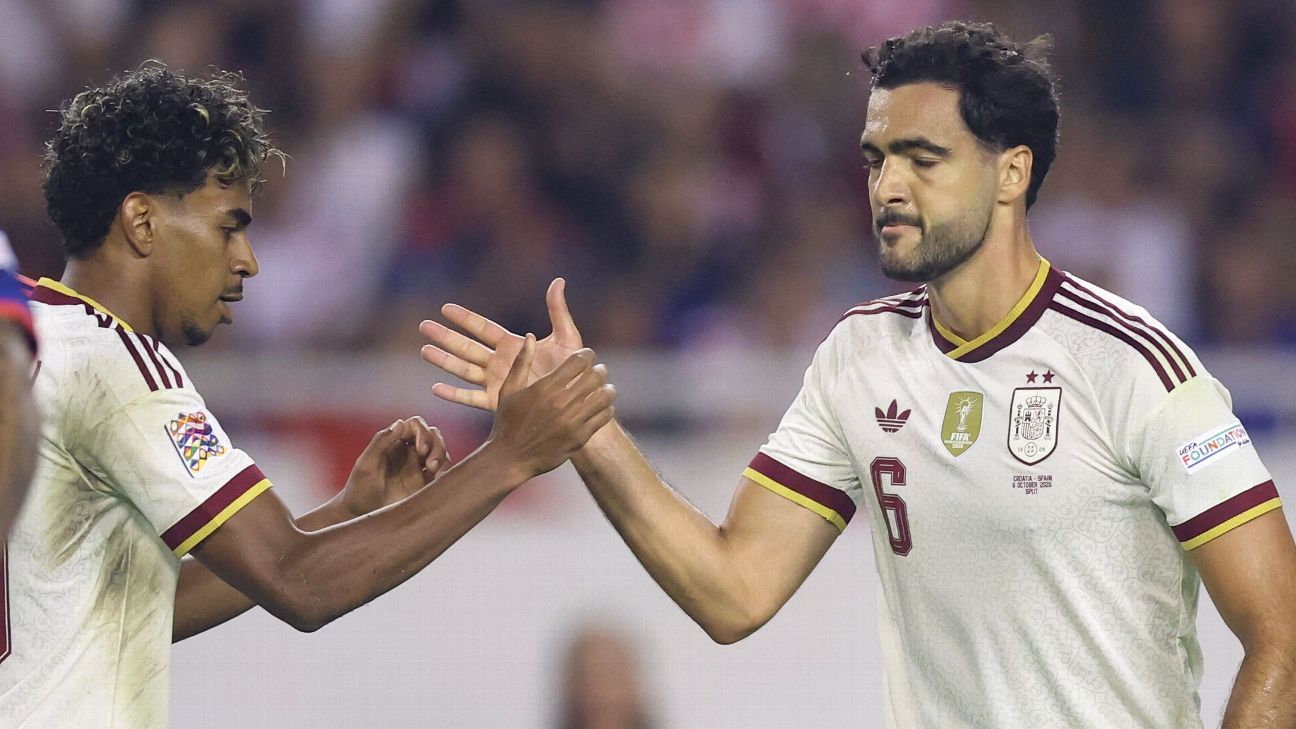





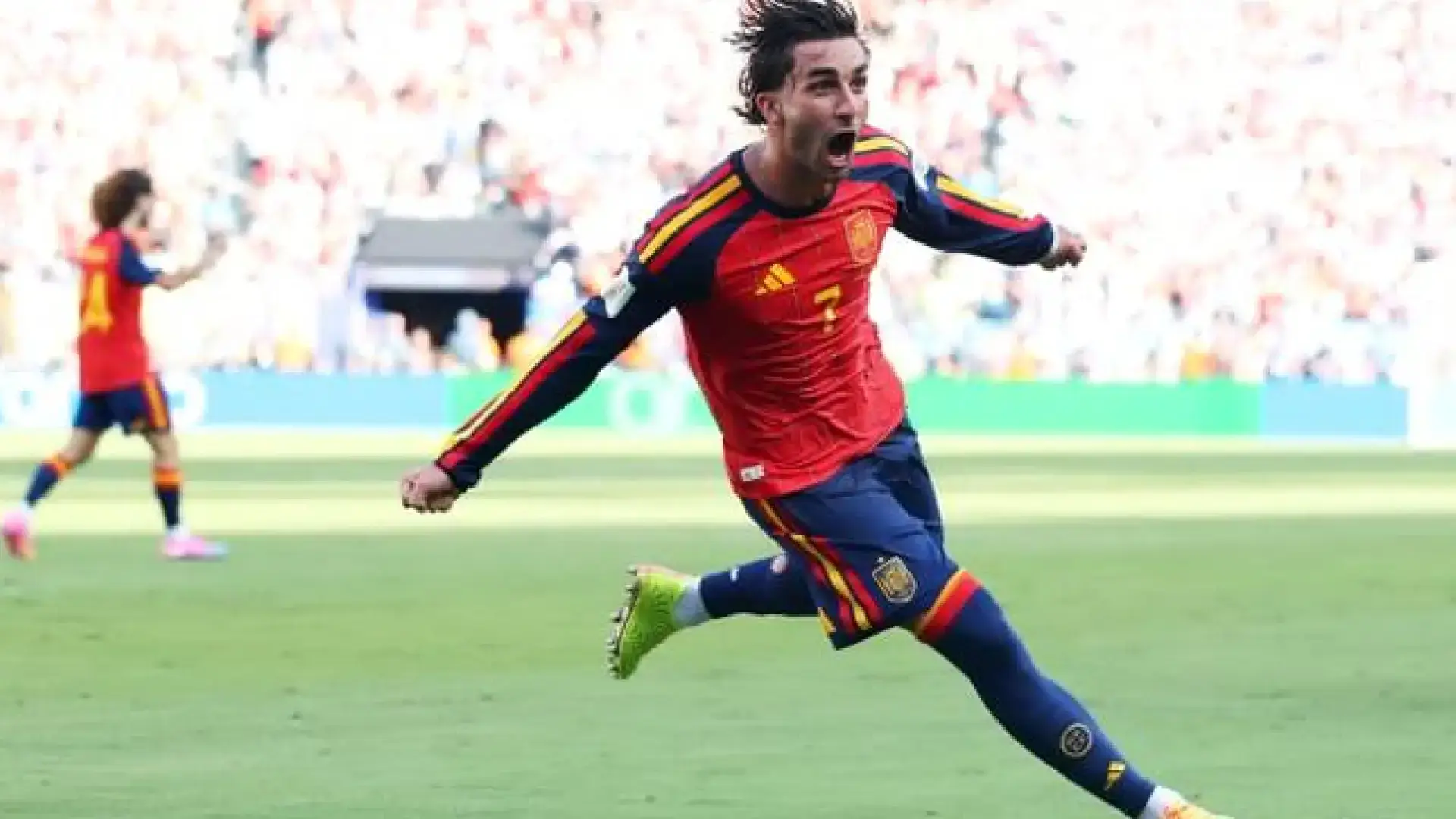

- Match Outcome: Spain secured a dramatic 2–1 comeback win against Croatia at Poljud Stadium, fueled by Mikel Merino’s second-half heroics.
- Tactical Decider: Luis de la Fuente’s halftime adjustment to introduce Merino shifted the offensive momentum, effectively breaking Croatia’s disciplined low block.
- Turning Point: Ivan Perišić’s 79th-minute red card left the hosts shorthanded, allowing Spain to exploit space and secure the victory in the dying minutes.
In a contest defined by tactical grit and late-game clinical execution, the latest edition of Spain vs Croatia saw the visitors overturn a halftime deficit to claim a vital 2–1 victory at Poljud Stadium. Luis de la Fuente’s side struggled to penetrate a rigid Croatian defense for the opening forty-five minutes but emerged from the interval with a refined offensive structure that eventually overwhelmed the hosts.
Why Did Croatia Dominate the Early Phase of the Match in Spain vs Croatia?
The encounter began with a high-intensity press from the hosts, who sought to disrupt Spain’s rhythm early. By utilizing a compact low block, Croatia forced the visitors into lateral passing lanes that yielded little penetration in the final third.
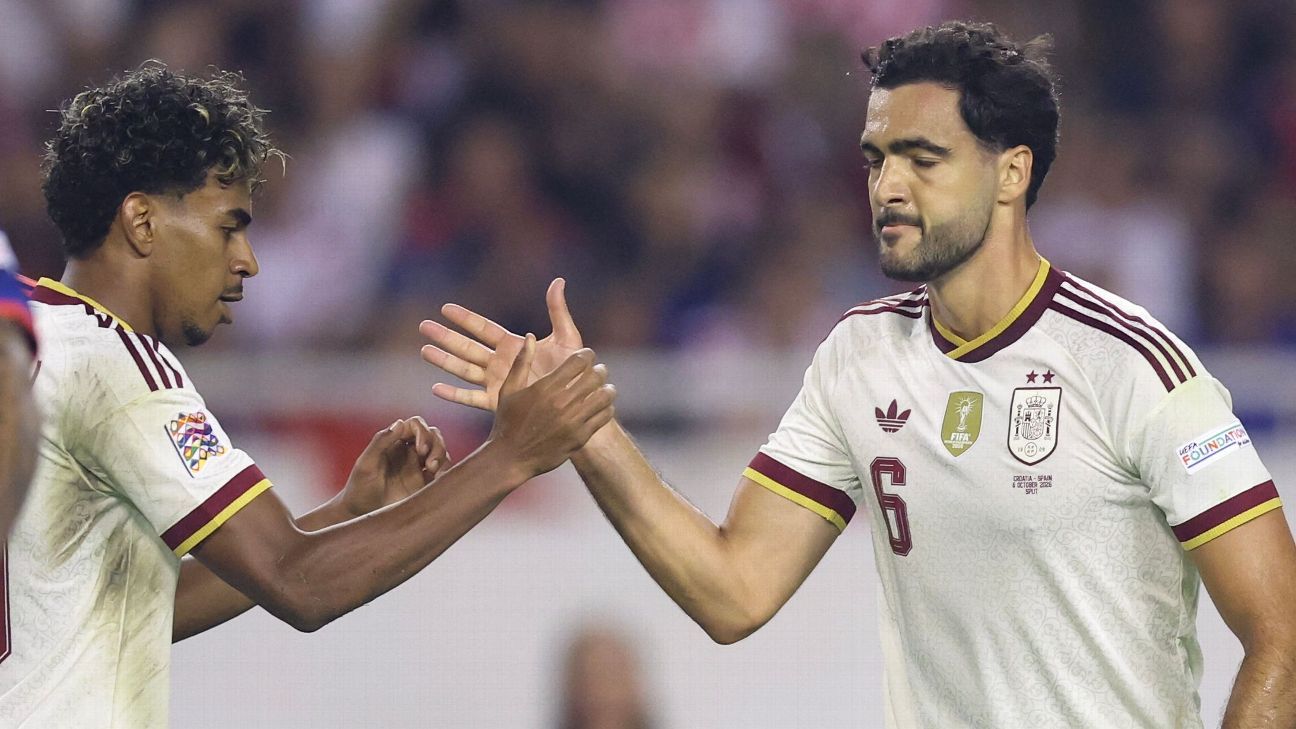
Ivan Perišić proved his enduring value in the 17th minute, rising above the Spanish backline to convert a precise header. This goal signaled a tactical shift, as Croatia surrendered possession to focus entirely on defensive solidity, frustrating Spanish playmakers Rodri and Dani Olmo.
ALSO READ: Portugal vs Norway: 10-Man Hosts Qualify for Nations League Quarterfinals Amid Haaland Injury Worry
Spain struggled with the lack of verticality in their initial XI, often recycling the ball without testing the goalkeeper. The static movement provided a comfortable defensive framework for the Croatian midfield, which thrived on counter-attacking opportunities throughout the first half.
How Did the Halftime Masterstroke Transmogrify the Spanish Attack?
Luis de la Fuente recognized the stagnation at the break, opting to replace Álex Baena with Mikel Merino. This change provided Spain with a more dynamic presence in the half-spaces, effectively dragging defenders out of position.
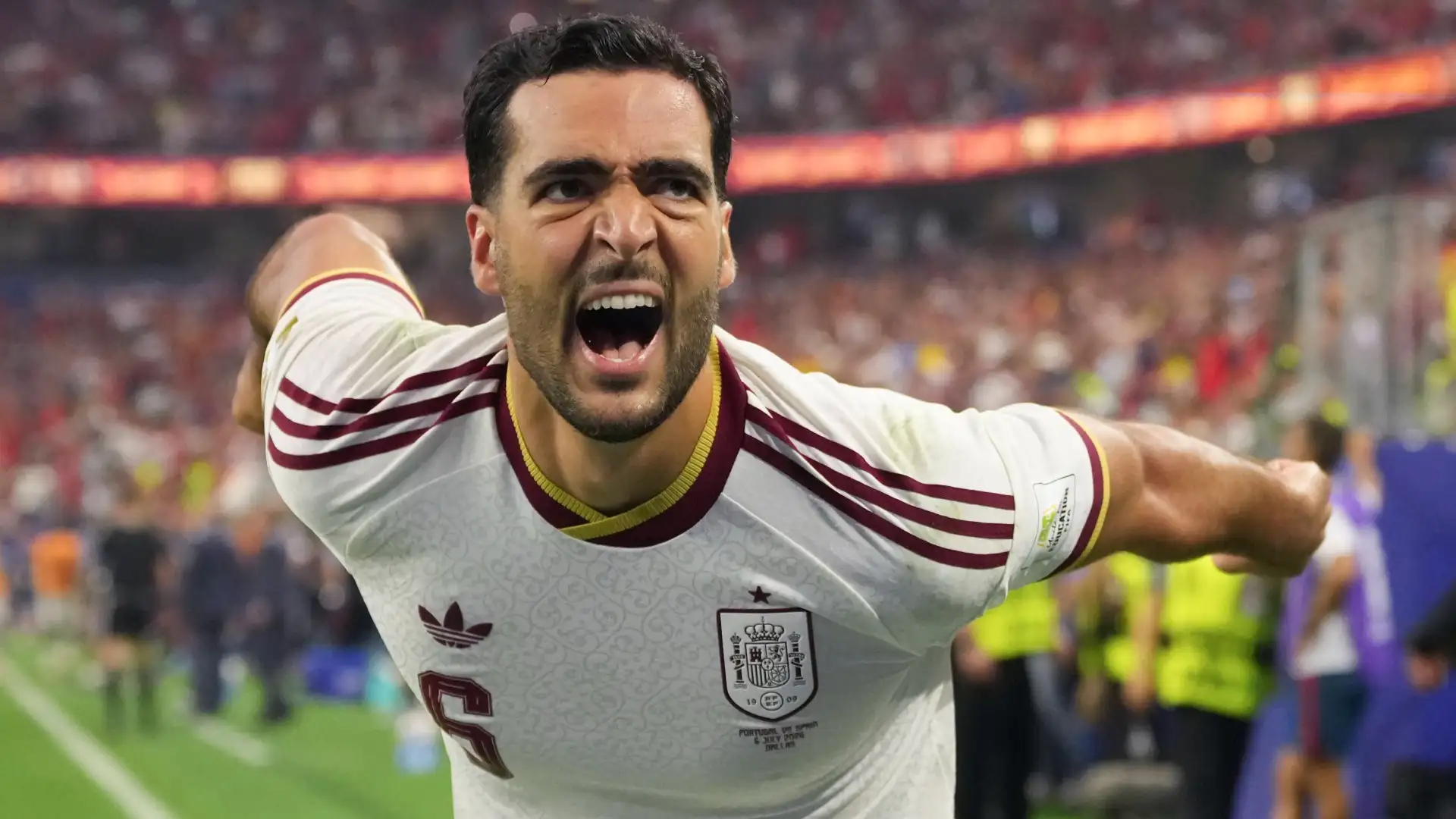
The payoff was immediate, as Merino synchronized with Dani Olmo to slot home the equalizer in the 61st minute. His movement off the ball acted as a catalyst, creating pockets of space that Olmo exploited with surgical precision.
According to UEFA performance metrics, this tactical shift increased Spain’s expected goals (xG) by nearly 0.75 within the first twenty minutes of the restart. The team transformed from a possession-heavy unit into a relentless attacking force that occupied the Croatian box with sustained frequency.
Why Was the Red Card the Defining Turning Point in Spain vs Croatia?
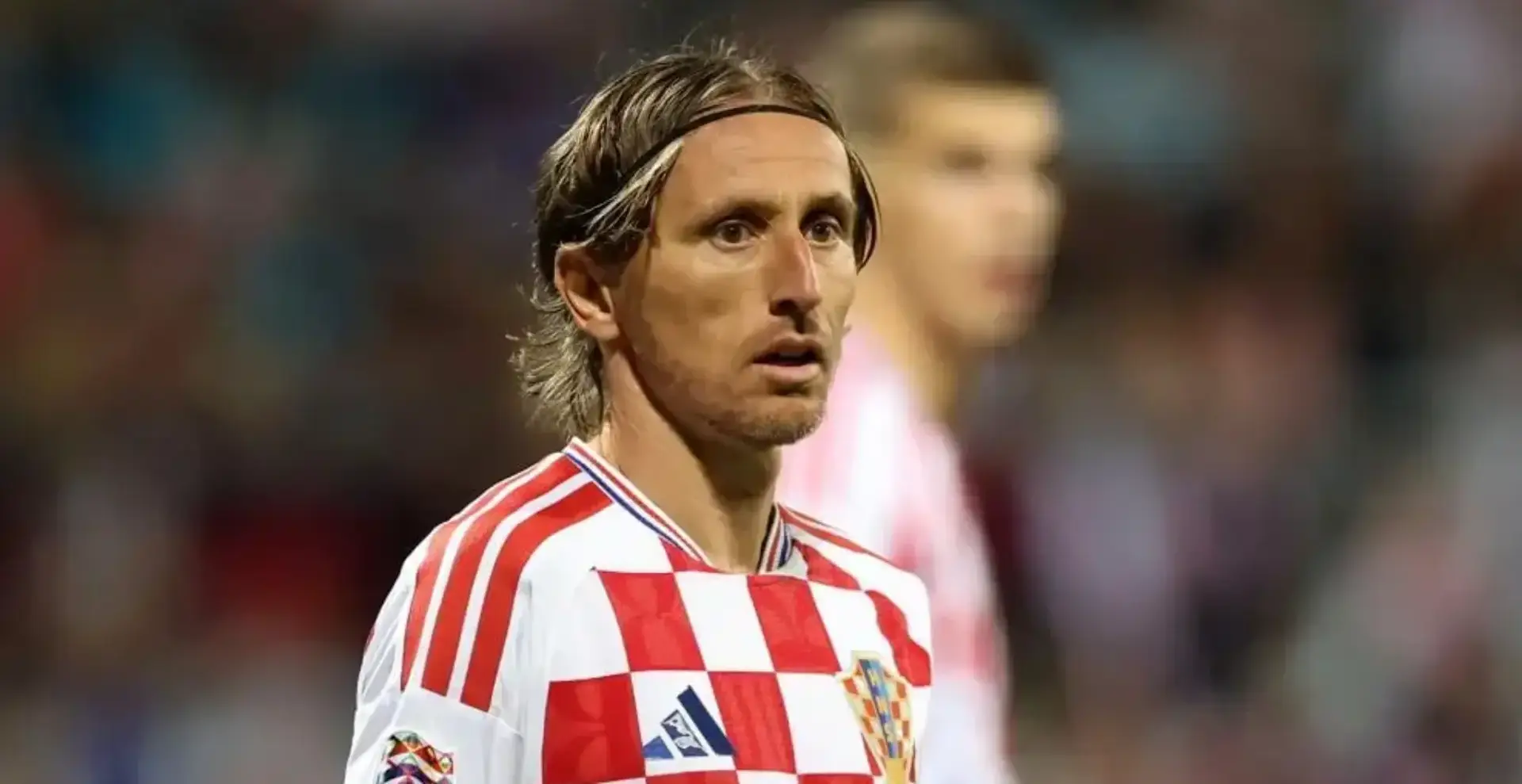
The competitive tension reached its zenith in the 79th minute when Ivan Perišić received his second yellow card following a reckless challenge on Marc Cucurella. This dismissal not only reduced Croatia to ten men but also fractured the structural integrity of their defensive shell.
With a numerical advantage, Spain began to rotate the ball with greater urgency, moving the remaining Croatian defenders from flank to flank. The absence of Perišić meant there was no reliable outlet for counter-attacks, effectively pinning the hosts inside their own defensive third.
ALSO READ: Romain Molina Exposes Argentina FA: The Multi-Million Business Exploiting African Federations
Spain maintained 67% possession, a metric that ballooned after the red card as the team leveraged their 664 completed passes to exhaust the Croatian legs. The inability to contest possession allowed the visitors to dictate the tempo, setting the stage for a late, inevitable breakthrough.
How Was the Late Heartbreak in Split Orchestrated?
The winning move arrived in the 88th minute, orchestrated by Martín Zubimendi. His vision allowed him to identify a gap in the center of the penalty area, threading a perfectly weighted pass to the incoming Mikel Merino.
Merino demonstrated composure beyond his years, finishing with a clinical touch that silenced the home crowd at Poljud Stadium. This goal was a testament to the structural endurance of the Spanish squad, who refused to abandon their tactical identity even under heavy pressure.
Data from StatsPerform indicates that Merino’s Efficiency Rating for this fixture reached a season-high of 8.9. His dual-goal performance underscores the importance of impact substitutions in modern international football.
What is the On-the-Ground Perspective for Fans and Analysts?
For the local fanbase, the defeat is a bitter pill to swallow, particularly given the passionate environment inside Poljud Stadium. Conversations across social platforms have centered on the perceived harshness of the second yellow card, yet the tactical superiority of the visitors remains an undeniable reality.
In regions like Kenya, where the passion for European football remains at an all-time high, supporters followed the match with deep fervor. The influence of players like Luka Modrić remains a significant draw, and his yellow card in the 65th minute served as a moment of high collective tension for many fans watching via international broadcasts.
ALSO READ: Inside Rui Pinto War on Football Corruption and The Leaks That Brought Down Manchester City
Local viewing centers reported peak attendance for this Nations League fixture, highlighting the growing commercial appeal of the competition. The contrast between the rigid tactical nature of the match and the high-stakes individual moments keeps the international audience engaged in a way that aligns with the SportsLeo mission to bring professional-grade analysis to the global fan base.
What Do the Numbers Tell Us About the Future of Group C?
The statistical dominance of Spain—664 accurate passes against Croatia’s 198—reveals a significant gap in squad depth and tactical execution. While Croatia remains a formidable opponent, the reliance on an aging core appears to be hitting a limit when faced with the high-intensity rotation currently employed by the Spanish FA.
| Metric | Spain | Croatia |
|---|---|---|
| Possession | 67% | 33% |
| Accurate Passes | 664 | 198 |
| Total Shots | 8 | 7 |
Looking ahead, the SportsLeo forecast suggests that Spain will likely cruise to the top of Group C if they maintain this level of ball progression. The squad value of Spain, currently bolstered by emerging talents like Zubimendi and Merino, gives them a unique market advantage over the aging rosters of their peers.
People Also Ask
Why was Ivan Perišić sent off in the match?
Perišić was sent off in the 79th minute for a second bookable offense, specifically a late, dangerous challenge on Marc Cucurella, which left the referee with no choice but to issue a red card for the Spain vs Croatia match.
How does this result impact the Group C standings?
Spain has solidified its lead at the top of the group table, effectively distancing themselves from Croatia and creating a significant points gap that will be difficult for the hosts to overcome in the remaining fixtures.
Who were the key performers for Spain?
Mikel Merino was the clear standout after his halftime introduction, scoring two goals. Dani Olmo also received praise for his creative input and the assist on the first goal as the game for Spain vs Croatia ended.
What was the attendance impact on this match?
The Poljud Stadium saw a near-capacity crowd, with local supporters maintaining a high-decibel atmosphere until the final whistle, despite the frustrations caused by the second-half scoreline shift.
How does the Spain vs Croatia rivalry evolve from here?
The fixture continues to represent one of the most tactical matchups in modern European football, with both sides focusing on midfield control and high-level possession management, which sets the tone for their future encounters in major tournaments.