











- Revenue Disparity: The host keeps 100% of commercial income, leaving African opponents with zero profit splits.
- Burkina Faso Chaos: A sudden flight cancellation left players stranded, causing a mutiny and forcing 13 debutants to play.
- Systemic Pressure: Mauritania paid out-of-pocket for private flights to avoid grueling layovers imposed by restricted travel budgets.
Table of Contents
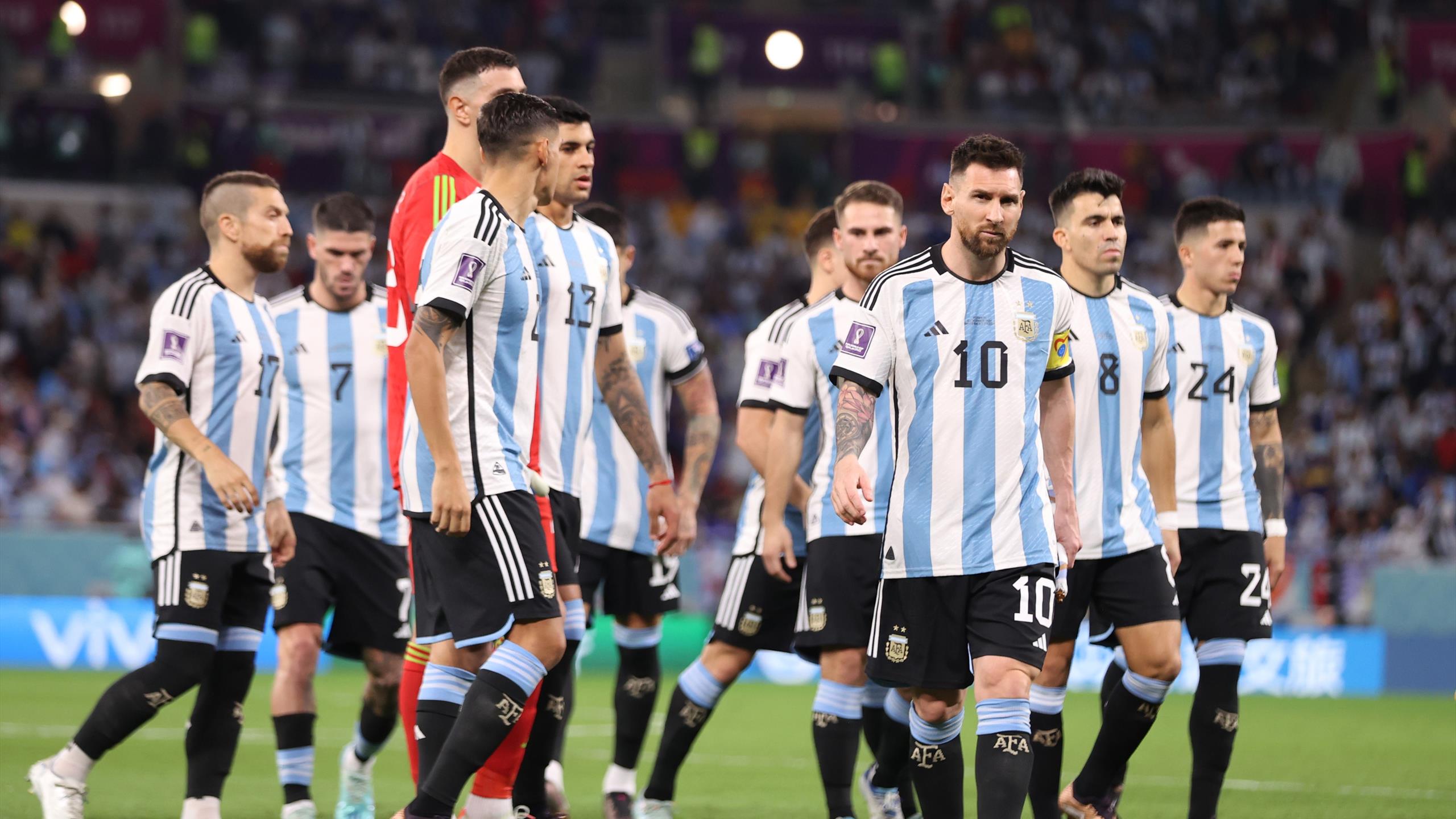
An explosive investigation into the Argentina FA reveals a deeply predatory economic structure behind high-profile international friendlies.
As the world champion side prepares for the October 2026 international window, French journalist Romain Molina has uncovered systematic administrative exploitation targeting African national teams.
ALSO READ: Portugal vs Norway: 10-Man Hosts Qualify for Nations League Quarterfinals Amid Haaland Injury Worry
The upcoming match at the Estadio Mâs Monumental in Buenos Aires has exposed how the global south is leveraged to fuel South American football’s commercial machinery.
The upcoming match in Buenos Aires was intended to be a celebratory showcase. Instead, it has exposed how the global south is leveraged to fuel the commercial machinery of South American football powerhouses.
This investigative feature uncovers the stark financial disparities, organizational chaos, and player welfare crises driving these lucrative exhibition matches.
What Is the Zero-Sum Game: How the Argentina FA Monetizes International Friendlies?
The business model orchestrated by the Argentine association represents a highly asymmetrical commercial relationship.
Under current contract terms, the host federation retains 100% of all commercial revenues. This includes lucrative stadium ticket sales, local and international television broadcasting rights, corporate sponsorships, and match-day merchandising profits.
The host retains 100% of matchday revenues, leaving visiting African federations with zero profit split. Visiting African federations like Burkina Faso, Benin, Mauritania, and Zambia receive zero profit split. Instead, they accept low flat appearance fees or vague promises of global branding exposure.
ALSO READ: Kevin De Bruyne Wife: Who Is Michèle Lacroix? Relationship, Family, and Career
Additionally, host organizers impose restrictive travel budgets on visiting teams. African squads are forced to accept cheap commercial travel involving long layovers. To avoid this, some associations must fund private charter flights out-of-pocket.
How Does Transatlantic Fatigue Impact Performance Metrics?
Medical data from the October 2026 window shows that 25-hour journeys cause a 35% drop in players’ High-Intensity Sprint Frequency.
Performance models indicate Expected Goals (xG) drop from a 1.45 baseline to a mere 0.35 xG due to travel fatigue.
| Revenue Stream | Argentine Allocation | African Allocation |
|---|---|---|
| Match Commercials | 100% | 0% |
| Travel Budgets | First-Class Travel | Economy Class Layovers |
Why Were They Stranded in Morocco: Inside the Burkina Faso Logistical Collapse?
The systemic flaws culminated in crisis on September 30, 2026, when Burkina Faso’s squad was stranded in Morocco after their scheduled flight was abruptly canceled.
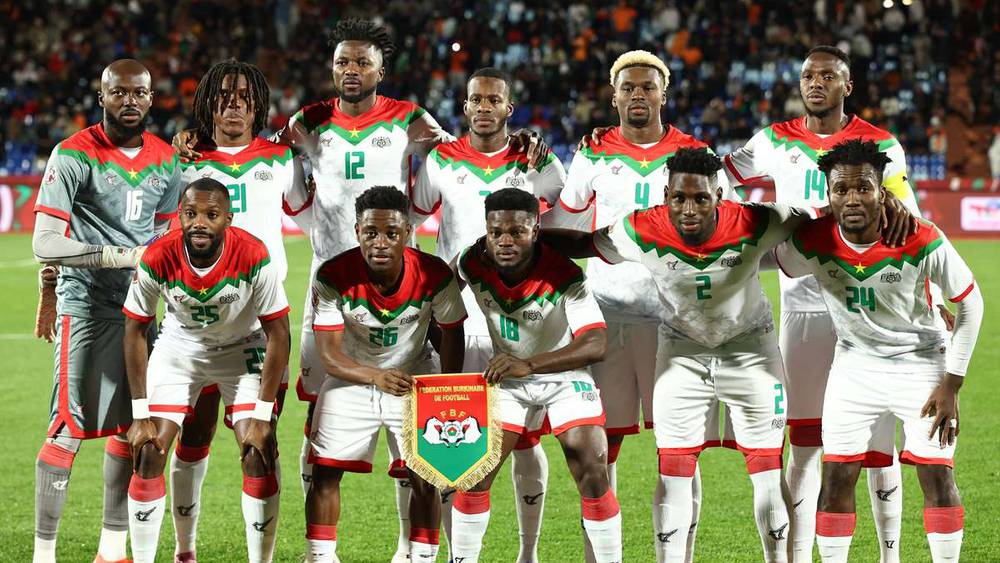
Faced with a grueling 25-hour commercial route, senior players staged a camp mutiny and returned to their European clubs to avoid travel-induced injuries.
ALSO READ: Negreira Case Explained: The €7.3M Scandal Rocking Spanish and European Football
To avoid penalties, Burkina Faso drafted 13 emergency U-23 debutants, causing their squad’s market value to plummet. Most had never played an international fixture. This sudden adjustment turned a competitive match into an unbalanced exhibition.
How Do Flight Penalties Harm African FA Budgets?
Unforeseen logistical flight crises cost over $150,000 per incident. For associations operating on minimal budgets, these surprise expenses completely wipe out development funds meant for youth coaching and community facilities.
Why Did Romain Molina Demand “Punishments and Resignations” Over the Argentina FA Scandal?
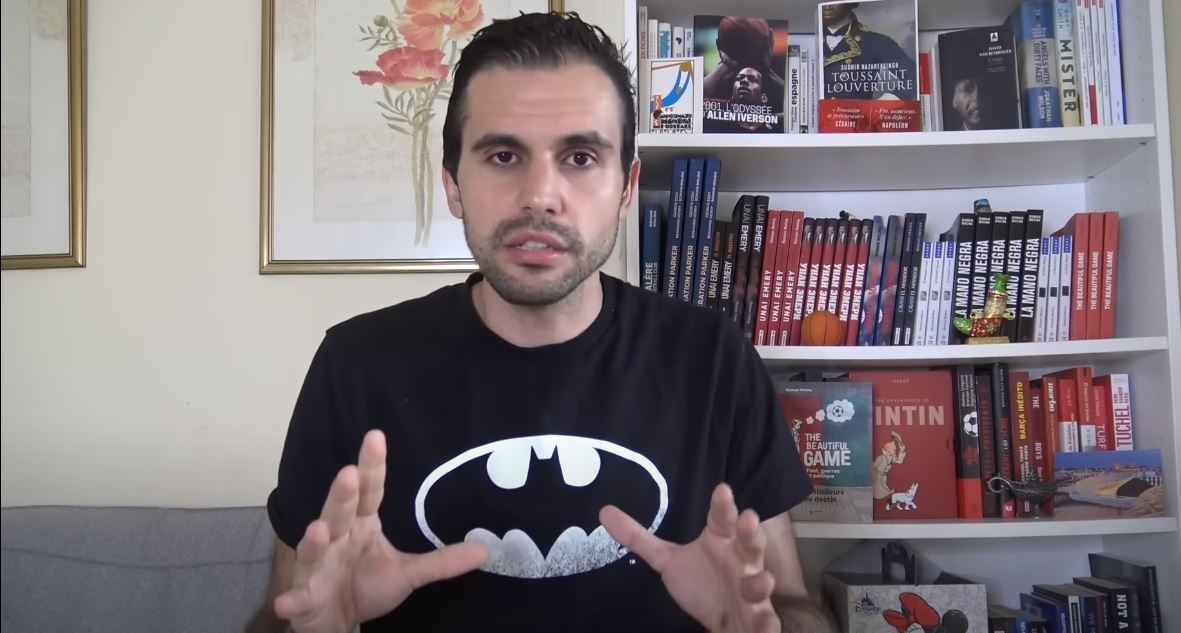
French journalist Romain Molina exposed these details on social media platform X, criticizing administrative negligence.
Molina stated that what happened warrants punishments and resignations across the involved administrative bodies.
He detailed how the player mutiny was a direct response to poor travel conditions. “Despite a chartered flight, Burkina Faso players refuse to leave for Argentina,” Molina noted.
This dynamic highlights power imbalances where elite squads gain preparation while opponents bear logistical risks, undermining match integrity.
Elite teams benefit from high-profile preparation matches while their opponents bear the logistical risks and physical strain.
How Does FIFA’s Match Agent Loophole Enable Exploitation?
Unlicensed match agents frequently broker these friendlies, pocketing large commissions while leaving smaller associations with disadvantageous terms. Without strict enforcement, host federations can dictate unfavorable travel and financial agreements without official scrutiny.
Are Benin and Mauritania Facing a Pattern of Exploitation Across African Football?
Après le scandale du Burkina Faso 🇧🇫, c’est la sélection du Bénin 🇧🇯 qui rencontre des soucis avec l’organisation en Argentine 🇦🇷Outre les interminables vols commerciaux (environ 25 heures de voyage), ce qui provoqua des vertiges et une perte de connaissance momentanée d’un analyste vidéo selon Mega Sports Media, l’intégralité du matériel n’a toujours pas été réceptionnéeA l’hôtel, il n’y a pas d’eau chaude à un étage, le sauna est hors service et la salle de musculation est une blague (deux tapis et deux vélos comme le rapporte Mega Sports Media)Des conditions indignes sachant que trois joueurs béninois ne sont toujours pas là et que la grogne monte en interne : comment se fait-il que la Fédération argentine va empocher TOUS les revenus de la rencontre pour la dernière de Messi, et que les Béninois n’ont même pas le droit à un centime ?Une question à laquelle les dirigeants de la Fédération béninoise vont devoir répondre également…
— Romain Molina (@Romain_Molina) October 4, 2026
These difficulties are part of a broader trend. Both Benin and Mauritania have faced similar pressures when negotiating friendly matches. In 2026, Mauritania rejected budget schedules, paying out-of-pocket for a private charter to protect player fitness, draining their operational reserves.
Benin faced similar issues, highlighting the vulnerable position smaller federations occupy. These associations want to play world-class opponents but must accept deals offering zero commercial upside. This dynamic reinforces the divide between wealthy football nations and developing ones.
On-the-Ground Perspective: Kenyan Fans and Social Media Sentiment
This exploitation has sparked strong reactions among passionate football fans in Kenya and East Africa. On social media, local supporters express deep frustration, calling for African nations to refuse one-sided fixtures and demand fair commercial terms.
Many fans argue that African nations should refuse to participate in matches where they are treated as second-class competitors.
Is There an Urgent Need for Reform in How the Argentina FA Contracts Friendly Opponents?
The recurring logistical issues show that the current model for friendly matches requires reform. To address these problems, CAF and FIFA authorities must establish clear guidelines for travel and revenue sharing. Host nations should share a percentage of broadcast and ticket revenues with visiting squads.
Ultimately, the global community must demand transparency in how the Argentina FA manages these contracts.
Without meaningful regulatory updates, smaller nations will continue to face challenging travel schedules and unfair financial terms. Protecting player welfare is crucial for the sport’s long-term health.
Dans un monde normal et surtout vu les conditions du voyage, les joueurs du Bénin 🇧🇯 sont en droit de réclamer une prime de participation face à l’Argentine 🇦🇷C’est ce qui se murmure de plus en plus mais est-ce que les dirigeants de la fédération béninoise auront le cran de répondre à cette demande en allant voir leurs homologues argentins ?A moins qu’ils ne trouvent normal de voir les Guépards être traités de la sorte (soucis à l’hôtel & avec le matériel sans compter les vols commerciaux interminables…)
— Romain Molina (@Romain_Molina) October 4, 2026
SportsLeo Forecast: What Lies Ahead for International Friendly Formats?
Analysts predict player unions like FIFPRO will push for strict travel rest regulations for intercontinental games.
Additionally, African teams may increasingly focus on playing within their own continent or demanding better commercial terms before accepting away fixtures. This shift could push major football associations to offer fairer commercial terms to secure quality opponents.
People Also Ask
Why did Burkina Faso players refuse to travel to Argentina?
Burkina Faso’s senior players refused to travel due to the chaotic conditions following a sudden flight cancellation on September 30, 2026.
What is the financial model behind international friendly matches organized by wealthy nations?
Wealthy host nations typically retain 100% of the commercial revenue, including ticket sales, broadcast rights, and corporate sponsorships. Visiting teams are paid small, flat appearance fees and receive no share of the overall profits generated by the match.
How did Mauritania avoid the travel issues faced by Burkina Faso?
Mauritania chose to self-fund a private charter flight for their team, rejecting the budget travel options offered by the match organizers.
Who is Romain Molina?
Romain Molina is a prominent French investigative sports journalist known for exposing corruption, financial mismanagement, and administrative issues in global football governance.
How can FIFA and CAF improve conditions for visiting teams in international friendlies?
Governing bodies can establish strict regulations requiring fairer revenue-sharing models, minimum travel standards, and licensed match agents to ensure smaller federations are not commercially exploited.