



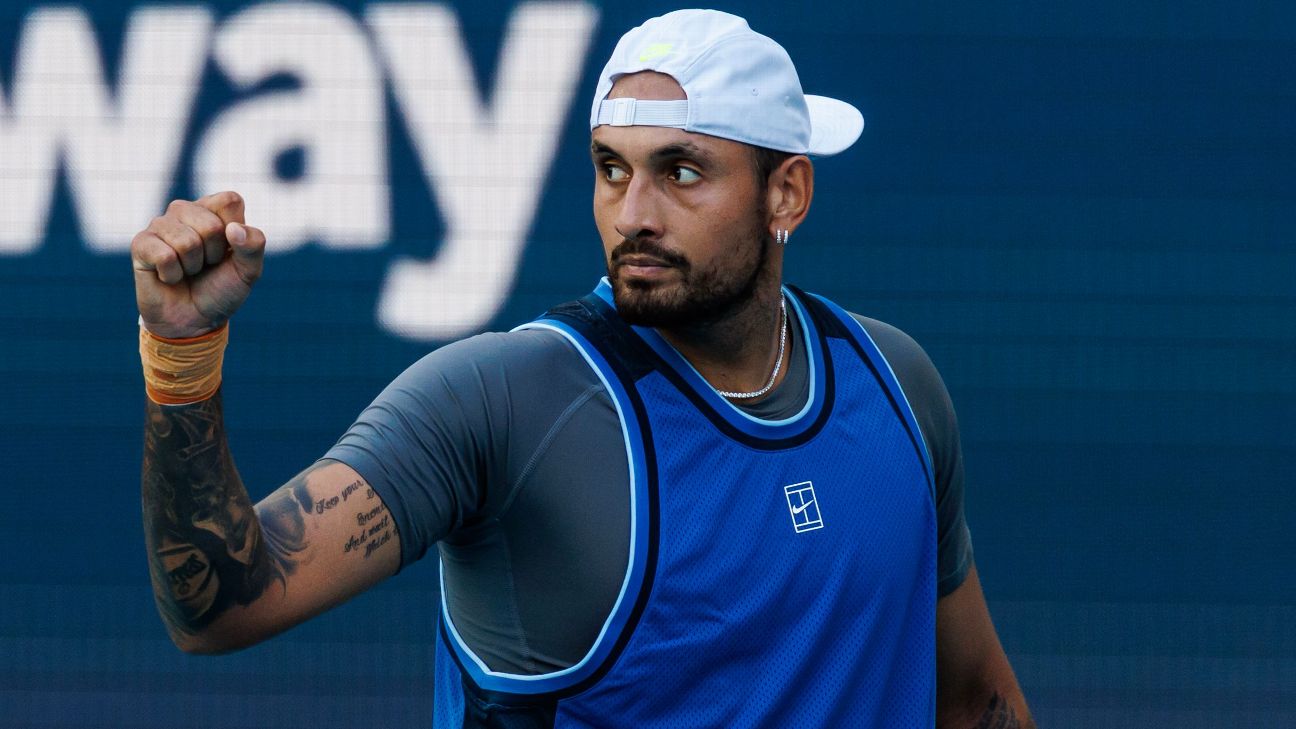
- Sanction Resolution: The International Tennis Integrity Agency (ITIA) confirmed the one-month suspension for Nick Kyrgios officially expired at midnight on September 3, 2026.
- Substance Findings: Forensic analysis by WADA-accredited experts determined the presence of benzoylecgonine was consistent with social, out-of-competition use, qualifying it as a “Substance of Abuse.”
- Competitive Return: Having completed an ITIA-approved rehabilitation program, the 31-year-old Australian is eligible to resume professional competition effective Friday, September 4, 2026.
Table of Contents
The official Nick Kyrgios ban has concluded today, marking the formal return of one of tennis’s most polarizing figures to the ATP circuit. Following a summer of legal scrutiny and professional uncertainty, the International Tennis Integrity Agency (ITIA) confirmed that the Australian has satisfied all requirements of his sanctioned rehabilitation program. This resolution follows an out-of-competition positive test for cocaine, a development that briefly threatened to derail the final chapters of the 2022 Wimbledon finalist’s career.
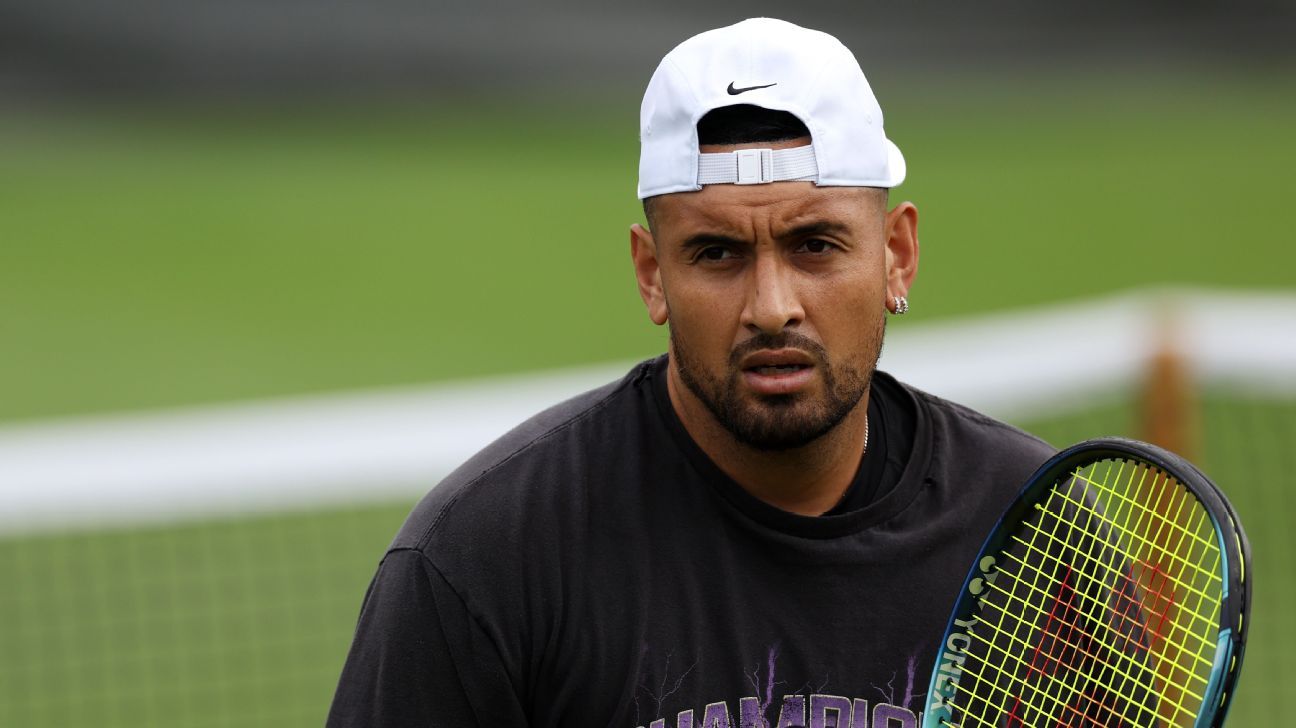
At 31, Kyrgios faces a landscape where his physical durability is as much a concern as his competitive standing. After years plagued by complex wrist and knee surgeries, this administrative hurdle added another layer of complexity to his attempted comeback. The tennis world now watches to see if the explosive talent can translate this period of reflection into a disciplined final run on the professional tour.
What Were the Critical Dates of the Nick Kyrgios Ban?
The Nick Kyrgios ban originated from a sample collection conducted on June 22, 2026. This test took place during an ATP 250 event in Mallorca, Spain, a tournament intended to serve as a vital grass-court tune-up. While the sample was collected in a tournament environment, the subsequent investigation focused heavily on the timing of the substance ingestion relative to the competitive windows defined by the World Anti-Doping Agency (WADA).
On July 17, 2026, a WADA-accredited laboratory confirmed the presence of benzoylecgonine, a primary metabolite of cocaine. This finding triggered an immediate investigative protocol by the ITIA. The agency enforced a provisional suspension on August 4, 2026, removing Kyrgios from the active tour while the legal nuances of the case were debated between his legal representatives and anti-doping officials.
ALSO READ: Novak Djokovic US Open Shock: 4th Seed Stunned by Mariano Navone in 5-Set First-Round Exit
The resolution reached this week confirms that the suspension period was backdated and concluded on September 3, 2026. This timeline allowed for a one-month active sanction rather than the standard three-month penalty. The reduction was contingent upon his full cooperation and the successful completion of a specialized treatment program designed to address the underlying causes of “Substances of Abuse” violations.
Kyrgios faced immediate financial and ranking consequences for the breach. He forfeited the €6,570 in prize money earned during the Mallorca event. Additionally, all ranking points accrued during that specific tournament were stripped from his official ATP tally, further complicating his efforts to climb back into the seedings for upcoming Grand Slam events.
How Did Anti-Doping Rules Reduce the Nick Kyrgios Ban?
Understanding why the Nick Kyrgios ban lasted only one month requires a look at the Tennis Anti-Doping Programme (TADP) regulations regarding “Substances of Abuse.” Cocaine is classified under this category when its use is determined to be unrelated to sports performance. Scientific experts from the ITIA and WADA-accredited laboratories analyzed the specific levels of metabolites found in the June 22 sample.
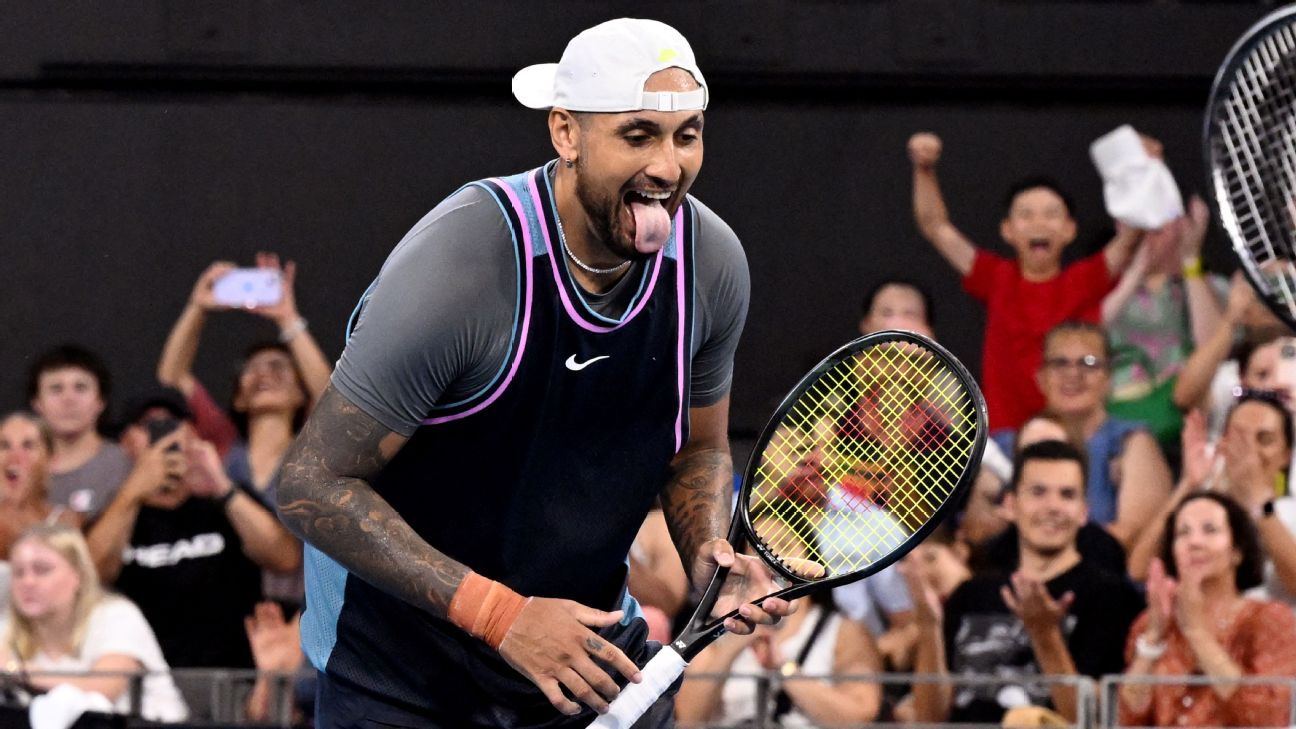
Their findings concluded that the levels were consistent with social use during a night out prior to the commencement of the Mallorca event. Because the ingestion occurred out of competition and there was no evidence of performance-enhancing intent, the legal framework shifted to Article 10.2.4 of the TADP. This specific article allows for a more rehabilitative approach rather than a purely punitive one.
ALSO READ: Venus Williams Net Worth 2026: $65M Fortune, Reebok Legend & Business Empire
The standard sanction for an out-of-competition Substance of Abuse is three months. However, the ITIA offers a provision where this can be reduced to one month if the player accepts responsibility and completes an approved treatment program. Kyrgios opted for this route immediately, acknowledging the error in judgment and engaging with medical and psychological professionals to satisfy the ITIA’s criteria.
| Parameter | Standard Sanction | Kyrgios Resolution |
|---|---|---|
| Primary Violation | Substance of Abuse (Out-of-Comp) | Benzoylecgonine Detected |
| Duration | 3 Months | 1 Month (Reduced) |
| Requirement for Reduction | N/A | ITIA-Approved Rehab Program |
| Financial Penalty | Varies | Forfeiture of €6,570 |
What Is Next for the Australian After the Nick Kyrgios Ban?
The conclusion of the Nick Kyrgios ban brings the athlete’s mental and physical health back into focus. In a candid statement released via Instagram following his initial suspension, Kyrgios was transparent about the pressures he has faced. He stated, “I made a huge mistake and I take full responsibility for it. I’m sorry to my fans, my family, my sponsors and everyone close to me. Above all, I’m sorry to the kids who follow me.” This public apology was a key factor in the ITIA’s willingness to facilitate a reduced sanction.
Beyond the disciplinary issues, the physical toll of a decade on the tour has been significant. Speaking to Al Jazeera, Kyrgios noted that the last couple of years of injuries have taken a huge toll on him both physically and mentally. He admitted that his body hasn’t been able to do what his mind expects it to do, making the prospect of career’s end a difficult reality to process.
ALSO READ: Serena Williams and Carlos Alcaraz Thrill Arthur Ashe Crowd in US Open Mixed Doubles Debut
The ITIA Official Statement regarding the matter was clinical and final. A representative confirmed, “As a result, the ITIA accepted that Kyrgios’ use of cocaine was outside of competition. As such, the player’s suspension will end on September 3, 2026, subject to completion of the programme.” With this hurdle cleared, the focus shifts to whether his wrist and knees can withstand the rigors of five-set tennis as he enters the twilight of his career.
How has the Kenyan Tennis Community Reacted to the News?
The impact of the Nick Kyrgios ban has resonated surprisingly deeply within the Kenyan sports landscape. On platforms like X (formerly Twitter) and within local tennis clubs in Nairobi, the “Kyrgios Brand” remains a massive draw for younger fans. In Kenya, tennis has often struggled with a “prestige” label, but the Australian’s rebellious nature has consistently broken those barriers, making him a cult hero at venues like the Nairobi Club and the Public Service Club.
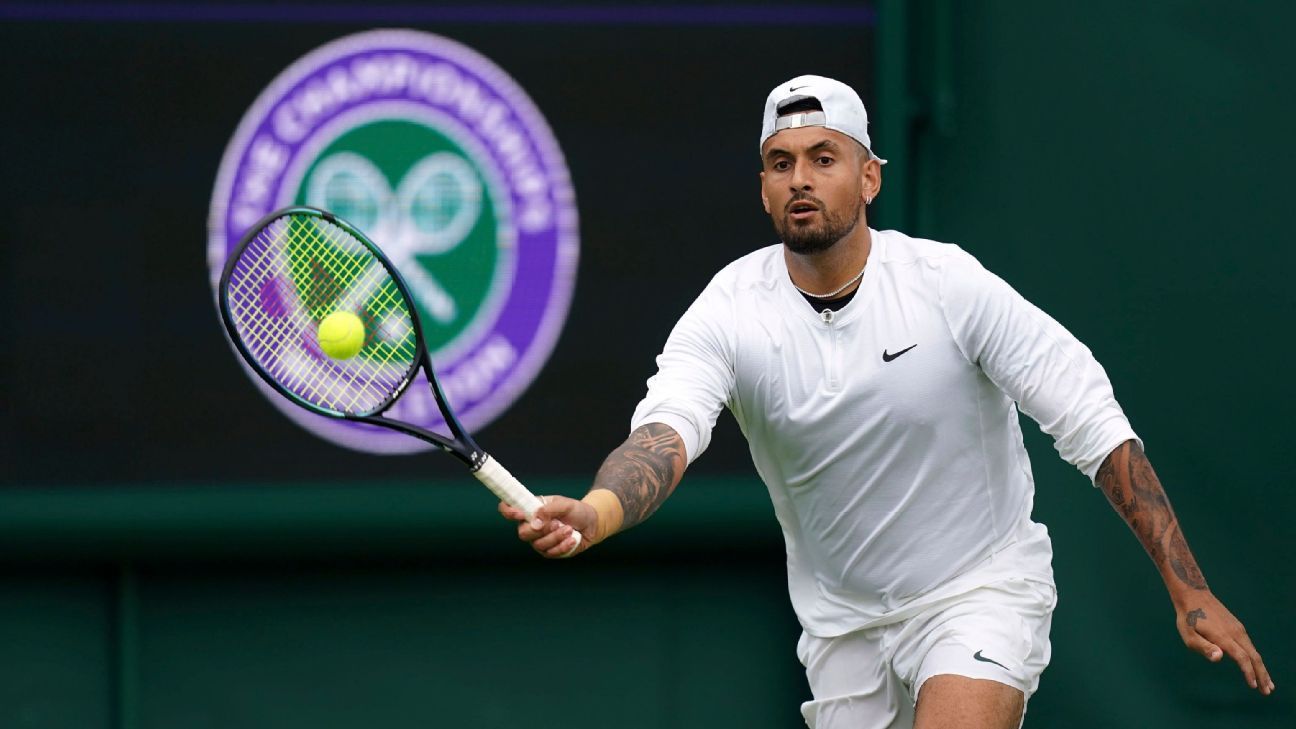
Local fans have expressed a mixture of disappointment and relief. Many Kenyan sports enthusiasts, who frequent sports bars in Westlands and Kilimani to watch major tournaments, view Kyrgios as the “entertainer” the sport needs to survive the post-Federer/Nadal era. Social media sentiment in Nairobi suggests that while the drug violation is viewed seriously, the acceptance of responsibility has earned him a “second chance” in the eyes of the local public.
Furthermore, the news has sparked a wider conversation in the Kenyan sports community about athlete mental health. Coaches at the junior level in Mombasa and Nairobi are using this case as a teaching moment. They are highlighting the importance of the TADP rules while also acknowledging the immense pressure elite athletes face, ensuring that the next generation of Kenyan talent understands both the legal and psychological demands of the professional circuit.
What Technical Details Are Competitors Missing Regarding TADP Article 10?
While many outlets have focused purely on the “celebrity scandal” aspect, they have overlooked three critical technical dimensions of this case. First, the specific concentration levels required to prove out-of-competition use are incredibly narrow. The ITIA’s reliance on the benzoylecgonine-to-cocaine ratio was the scientific lynchpin that prevented a longer four-year ban typically associated with performance-enhancing stimulants.
Second, competitors have largely ignored the “Precedent of Proportionality.” By allowing Kyrgios a one-month sanction, the ITIA is reinforcing a 2021 policy change that prioritizes addiction recovery over career-ending punishments for social substances. This aligns with modern legal trends seen in other major bodies like FIFA and the ATP, where the focus is shifting toward holistic athlete welfare.
Finally, the ranking point impact is more severe than reported. Forfeiting Mallorca points isn’t just about a single week; it affects his “Entry Protection” status. For a player who has spent more time on the operating table than on the court, every point is a lifeline for Grand Slam entry. You can find more detailed breakdowns of how these points affect tour eligibility on our SportsLeo Rankings Guide or our analysis of Player Recovery Protocols.
People Also Ask
How long was the Nick Kyrgios ban?
The active suspension lasted for exactly one month, beginning on August 4, 2026, and ending on September 3, 2026. This was a reduction from the standard three-month penalty for Substances of Abuse.
Why was Nick Kyrgios suspended?
He tested positive for benzoylecgonine, a metabolite of cocaine, following a test at the Mallorca ATP 250 event on June 22, 2026. The use was determined to be social and out-of-competition.
Did Nick Kyrgios lose his prize money?
Yes, as part of the sanction, he forfeited the €6,570 he earned at the Mallorca tournament, along with all ranking points gained during that week.
Is Nick Kyrgios retiring after the ban?
While he has discussed the mental and physical toll of his injuries, he has not officially retired. His eligibility to return on September 4 suggests he intends to continue his career.
What rehab program did Nick Kyrgios complete?
He completed an ITIA-approved program focused on education and treatment regarding Substances of Abuse, which is a requirement for reducing a TADP sanction from three months to one.