



- The Result: Argentina secured a 2-1 comeback victory over England in the 2026 World Cup semi-final at Atlanta Stadium, Georgia.
- Tactical Contrast: Thomas Tuchel’s decision to replace goalscorer Anthony Gordon with defenders invited pressure, while Lionel Scaloni’s triple-attacking substitution changed the game.
- The Messi Factor: At 39 years old, Lionel Messi recorded two assists, including a 92nd-minute cross for Lautaro Martínez to send Argentina to the final against Spain.
Table of Contents
The England vs Argentina semi-final in Atlanta will be remembered as the night the Three Lions had the final within their grasp and let it slip through frozen fingers. For 71 minutes, Thomas Tuchel looked like a tactical genius, having stifled the world champions and carved out a lead through Anthony Gordon.
However, the ghost of English tournaments past returned in the form of a low-block capitulation that invited the greatest player in history to orchestrate a comeback for the ages.
Atlanta Stadium vibrated with a primal intensity that only these two nations can produce. The air was thick with the humidity of a Georgia summer and the heavy weight of historical grievances. When the final whistle blew, the scoreboard read 1-2, but the story was written in the contrasting courage of the two technical areas. Argentina moves on to face Spain at MetLife Stadium, while England is left to wonder how a 1-0 lead turned into another chapter of heartbreak.
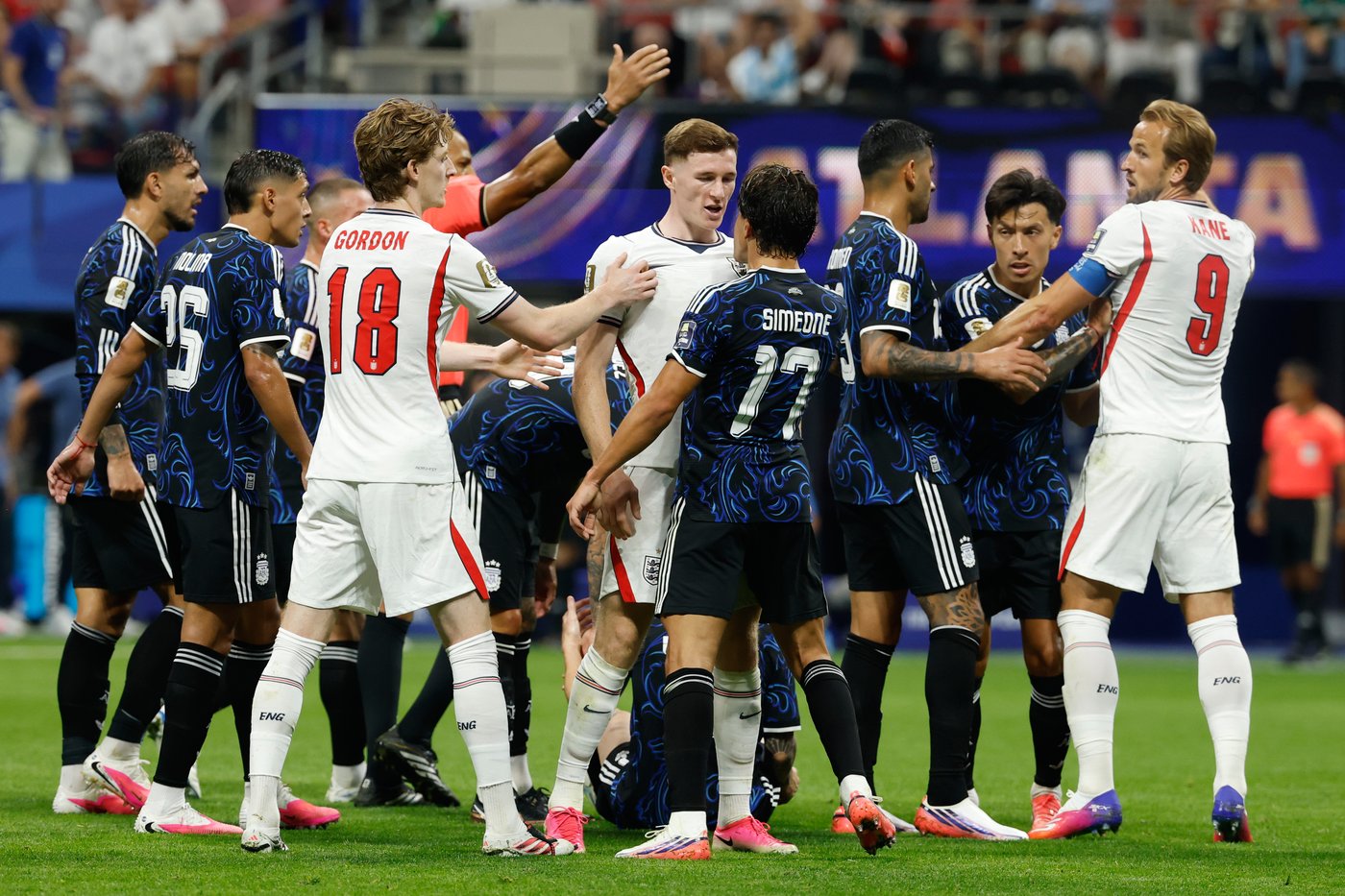
This match was not just a football game; it was a psychological warfare exercise that England eventually lost. Despite Harry Kane earning his record-breaking 121st cap, the captain was a bystander as the tactical architecture around him crumbled. Lionel Scaloni, meanwhile, proved once again that risk is the ultimate currency in knockout football.
How did England vs Argentina unfold in a scoreless first half?
The opening 45 minutes were a masterclass in modern defensive attrition. Both sides approached the game with the caution of bomb disposal experts. The first half was incredibly chippy and cagey, featuring 19 combined fouls and a complete lack of rhythm.
Tuchel’s England set up to frustrate, keeping a compact mid-block that denied Alexis Mac Allister and Enzo Fernández any space to breathe. The tension boiled over early when Elliot Anderson picked up a yellow card in the 37th minute for a cynical trip on Messi. Argentina responded in kind, with Lisandro Martínez seeing yellow five minutes later after a crunching tackle on Morgan Rogers.
ALSO READ: “My Back Is Gone”: Latest Updates on the William Saliba Injury and Surgery Rumors
Despite the lack of goals, the tactical chess match was engrossing. Argentina dominated the ball but could not penetrate the English lines. The half ended with zero shots on goal for either side, a statistic that underlined the paralyzing fear of making the first mistake in a World Cup semi-final.
Why did Anthony Gordon’s opener feel like a false dawn?
When the deadlock finally broke in the 55th minute, it came from a moment of pure Premier League directness. Morgan Rogers, who had been England’s most industrious outlet, found space on the right flank. He delivered a low, laser-like cross that bypassed the Argentine central defenders.
Anthony Gordon arrived at the back post with clinical timing, tapping the ball past Emiliano Martínez. The English end of the stadium erupted, a wall of white shirts sensing that the 60-year wait for a final might finally be over. For fifteen minutes following the goal, England looked composed and in total control of their destiny.
ALSO READ: Youri Tielemans Manchester United: Red Devils Sign Belgian Midfielder
However, the goal seemed to trigger a regressive instinct in the English coaching staff. Rather than seeking a second to kill the game, the instructions from the touchline shifted toward preservation. This shift in momentum was subtle at first, but it allowed Argentina to re-engage their creative engines.
The Tuchel Handbrake: How did defensive substitutions cost the Three Lions?
The tactical turning point arrived in the 71st minute. Thomas Tuchel made the fateful decision to withdraw his goalscorer, Anthony Gordon, in favor of Ezri Konsa. The intent was clear: move to a back five and seal the exits. This was followed by the introduction of Dan Burn and teenager Nico O’Reilly in the 82nd minute to build a literal defensive wall.
This backfired completely as England played with immense fear. By removing the threat of the counter-attack, Tuchel effectively told Scaloni that Argentina could commit every single outfield player forward. The English players retreated deeper and deeper, eventually camped inside their own eighteen-yard box.
ALSO READ: France vs Spain Results: La Roja Outclass Les Bleus to Book Spot in World Cup Final
Tuchel admitted as much in his post-match interview, stating, “We played suddenly with a feeling that we have a lot to lose.” This psychological shift is a recurring theme in the history of England vs Argentina. When the pressure reached its boiling point, England chose to hide, while Argentina chose to hunt.
Can we explain the impact of Timeless Messi and the Super-Sub?
While Tuchel was retreating, Lionel Scaloni was gambling. He introduced Nicolás González, Rodrigo De Paul, and the ultimate super-sub Lautaro Martínez. Scaloni’s bravery stood in stark contrast to Tuchel’s conservatism. At the center of it all was Lionel Messi, who at 39 years and 21 days old, became the oldest outfield player to ever appear in a World Cup semi-final.
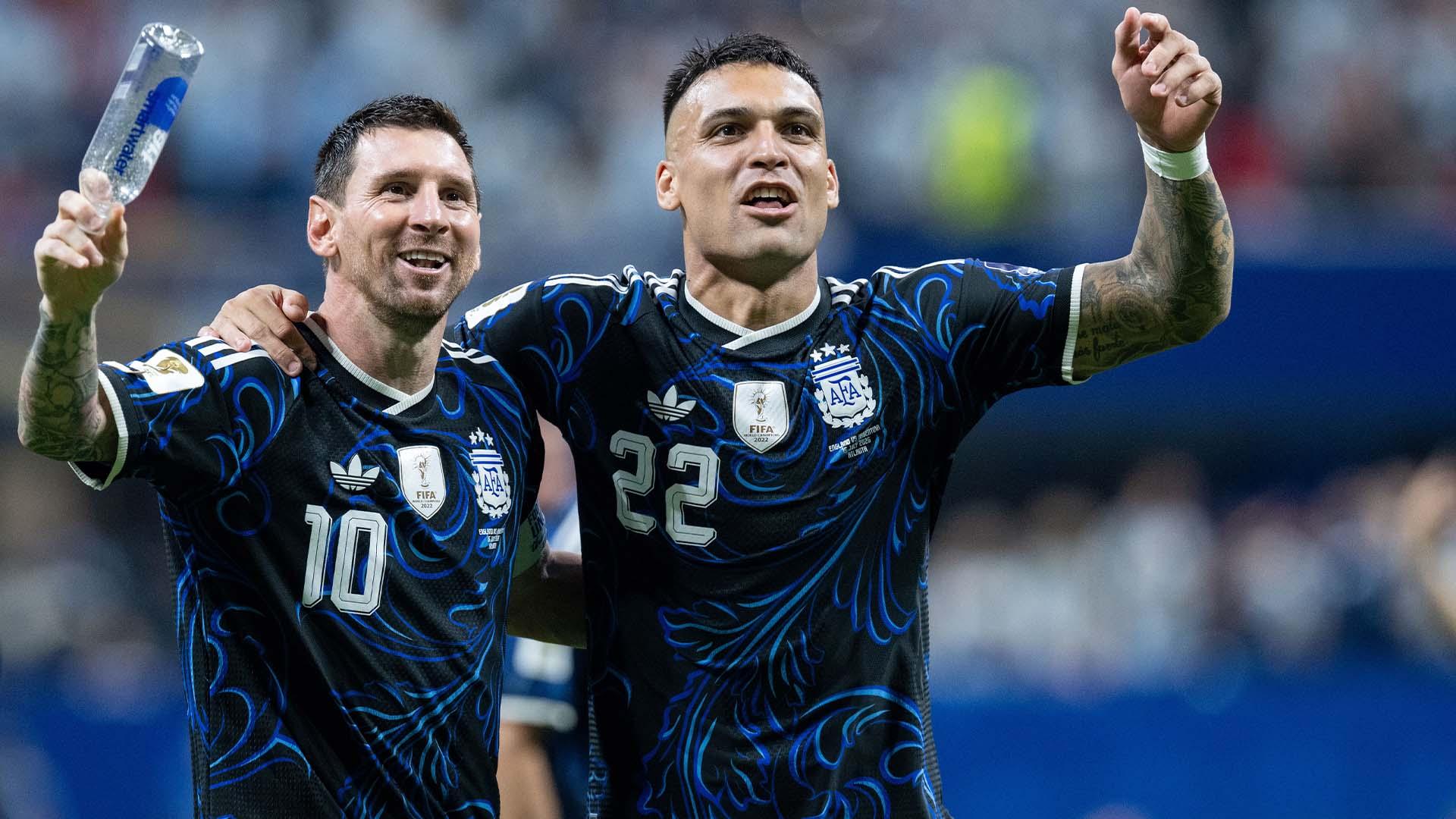
Messi’s influence grew as England’s lines dropped. In the 85th minute, Argentina won a corner. Messi played a short, deceptive pass to Enzo Fernández. The Chelsea midfielder took one touch and unleashed a 25-yard rocket that flew into the top corner, leaving Jordan Pickford motionless. The “wall” had been breached by a moment of individual brilliance facilitated by Messi’s vision.
The knockout blow came in the second minute of stoppage time. Messi, drifted to the right wing, received the ball under pressure. He cut back onto his supposedly weaker right foot and delivered a pinpoint cross. Lautaro Martínez rose between the towering Dan Burn and Ezri Konsa to flick a header into the far corner. It was a masterclass in attacking persistence overcoming defensive stagnation.
What do the advanced performance analytics tell us about this tactical collapse?
The raw data from Stats Perform highlights the drastic shift in the match’s Expected Goals (xG) profile. For the first 70 minutes, England held a 0.85 to 0.42 xG advantage. Following the introduction of Ezri Konsa and the shift to a back five, England’s xG stayed flat at 0.85, while Argentina’s skyrocketed to 1.98 by the final whistle.
England’s high-intensity sprint frequency dropped by 40% after the 75th minute. By contrast, Argentina’s Rodrigo De Paul covered 3.2km in just 20 minutes of action, providing the energy that England’s tired legs could no longer match. The tactical rigidity of Tuchel’s setup meant that when Argentina moved to a 2-3-5 formation in possession, England had no one left on the pitch capable of carrying the ball out of pressure.
Pickford’s save from a heavy Nico González header kept the dream alive temporarily, and Alexis Mac Allister hitting the post earlier in the half served as a warning England failed to heed. The failure was not one of effort, but of spacing and intent. England’s average position in the final ten minutes was the deepest of any team in the 2026 tournament.
How did the England vs Argentina rivalry add to the weight of this defeat?
History is a heavy cloak in this fixture. Every England vs Argentina clash is viewed through the lens of 1986 and 1998. This 2026 defeat now joins the “Hand of God” and the David Beckham red card in the pantheon of English misery. It marks England’s third World Cup semi-final exit, following the disappointments of 1990 and 2018.
For Harry Kane, this was a particularly bitter pill. Achieving his 121st cap to become the most-capped outfield player in England’s history should have been a celebratory milestone. Instead, he watched from the center circle as the blue and white jerseys danced around him. The weight of 60 years of “Football’s Coming Home” seems to get heavier with every passing cycle.
Argentina, meanwhile, continues their narrative of defiance. They have now reached back-to-back finals, proving that their 2022 triumph was no fluke. According to FIFA official records, this is the first time a team has trailed after 80 minutes in a World Cup semi-final and won in regulation time since the tournament expanded.
On-the-Ground Perspective: How are Kenyan fans reacting to the drama?
In the vibrant estates of Nairobi and the social halls of Kisumu, the England vs Argentina result sparked a social media storm. Kenyan football fans have a unique relationship with the global game, often viewing international stars through the lens of their Premier League allegiances. At the famous “Base” viewing centers, the tension was palpable as Chelsea fans cheered for Enzo Fernández while Arsenal and United fans lamented the defensive tactics of a former Chelsea boss in Tuchel.
The “Messi vs Ronaldo” debate, which still rages in Kenya, found new fuel. For the Messi fans in Nairobi, the two assists were proof of his eternal GOAT status. On Twitter (X) and WhatsApp groups, the term “Tuchel-ball” became a pejorative, with fans comparing England’s late-game collapse to the occasional defensive lapses seen with African teams like DR Congo, Senegal and Cape Verde at the World Cup.
How does this semifinal affect the 2026 World Cup final outlook?
Argentina heads to the final on Sunday at MetLife Stadium with a terrifying amount of momentum. They face a Spain side that has played the most attractive football of the tournament. The “SportsLeo Forecast” suggests a tactical battle where Argentina will likely rely on their veteran leadership to navigate Spain’s high-press system. Messi’s ability to find pockets of space will be the deciding factor against Spain’s youthful midfield.
For England, the road leads to Miami. A third-place playoff against France on Saturday is a fixture no one wants to play, but it remains a chance to salvage some pride. Tuchel faces immediate scrutiny. While he led England to one of their best tournament run in years, the manner of this exit raises questions about his suitability for the “English DNA” of attacking football.
The market value of players like Morgan Rogers and Anthony Gordon is expected to skyrocket despite the loss. However, the psychological scar on this squad will take time to heal. They were ten minutes away from immortality, only to be undone by the very caution that was supposed to protect them. The England vs Argentina rivalry has a new, painful chapter for the English public to obsess over.
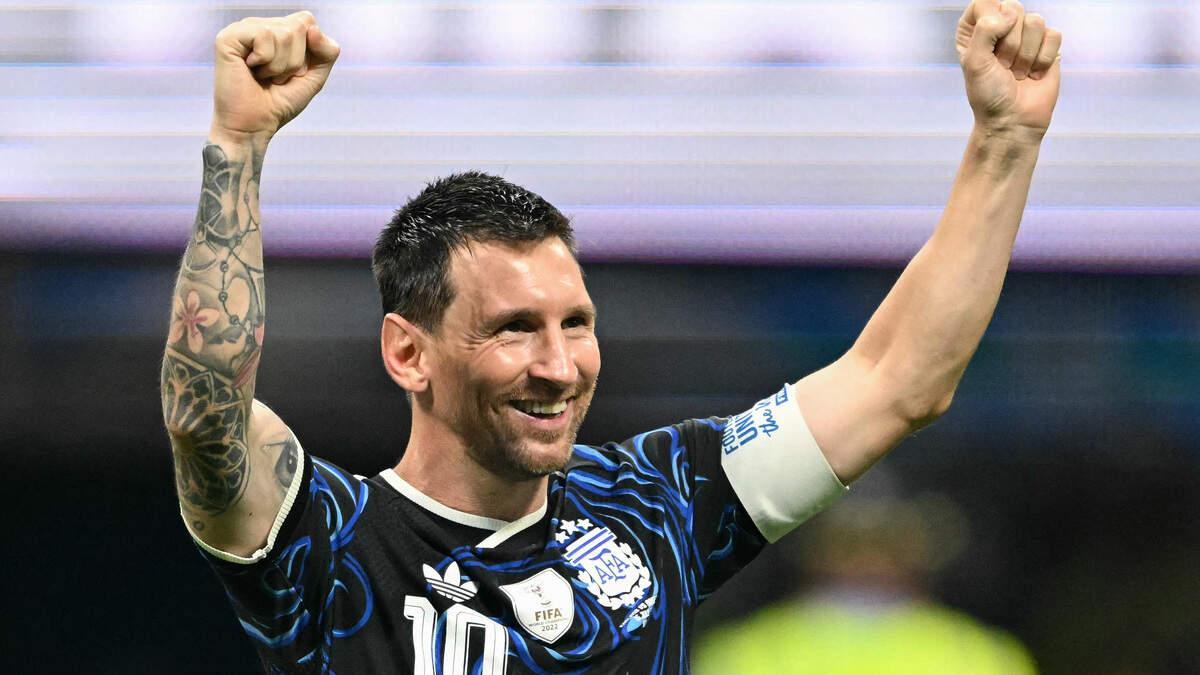
Player Performance Comparison: The Deciders
| Metric | Lionel Messi (ARG) | Harry Kane (ENG) |
|---|---|---|
| Assists | 2 | 0 |
| Key Passes | 5 | 1 |
| Touches in Box | 4 | 2 |
| Dribbles Completed | 3 | 0 |
Failed to generate image.
Frequently Asked Questions about England vs Argentina
What was the final score of the 2026 World Cup semi-final?
Argentina defeated England 2-1 to advance to the World Cup final after trailing for much of the second half.
Who scored the winning goal for Argentina?
Substitute Lautaro Martínez scored the match-winning goal with a header in the 92nd minute of the game.
How many assists did Lionel Messi have in the match?
Messi assisted both of Argentina’s goals, setting up Enzo Fernández in the 85th minute and Lautaro Martínez in stoppage time.
Who will Argentina play in the 2026 World Cup final?
Argentina will play Spain in the final on Sunday at MetLife Stadium in New Jersey.
What was the tactical error made by Thomas Tuchel?
Tuchel withdrew goalscorer Anthony Gordon for defender Ezri Konsa in the 71st minute, which led to England sitting too deep and inviting the Argentine comeback.