





- Argentina secured a 3-1 victory over Switzerland after extra time, booking a semi-final spot against England.
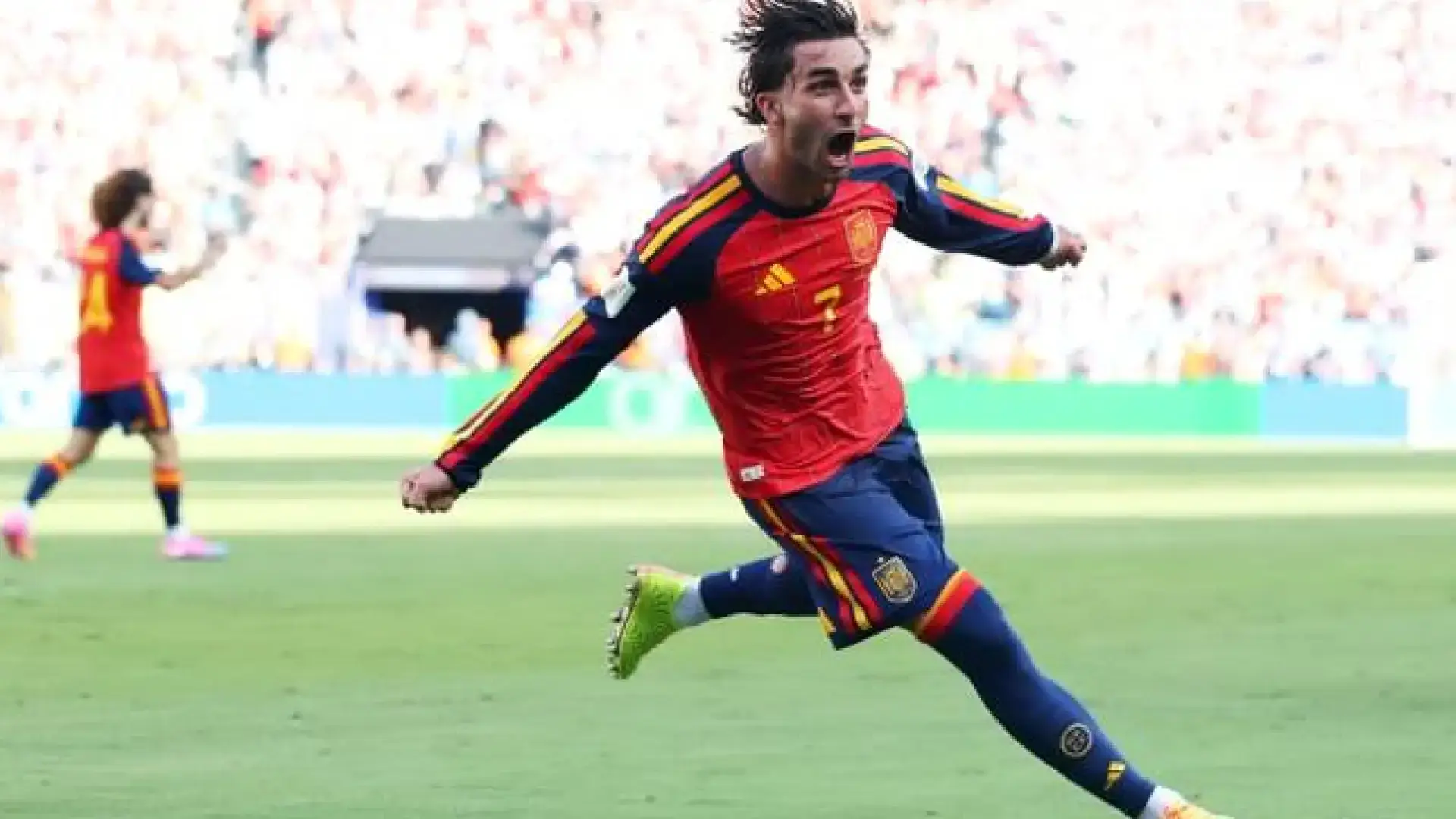
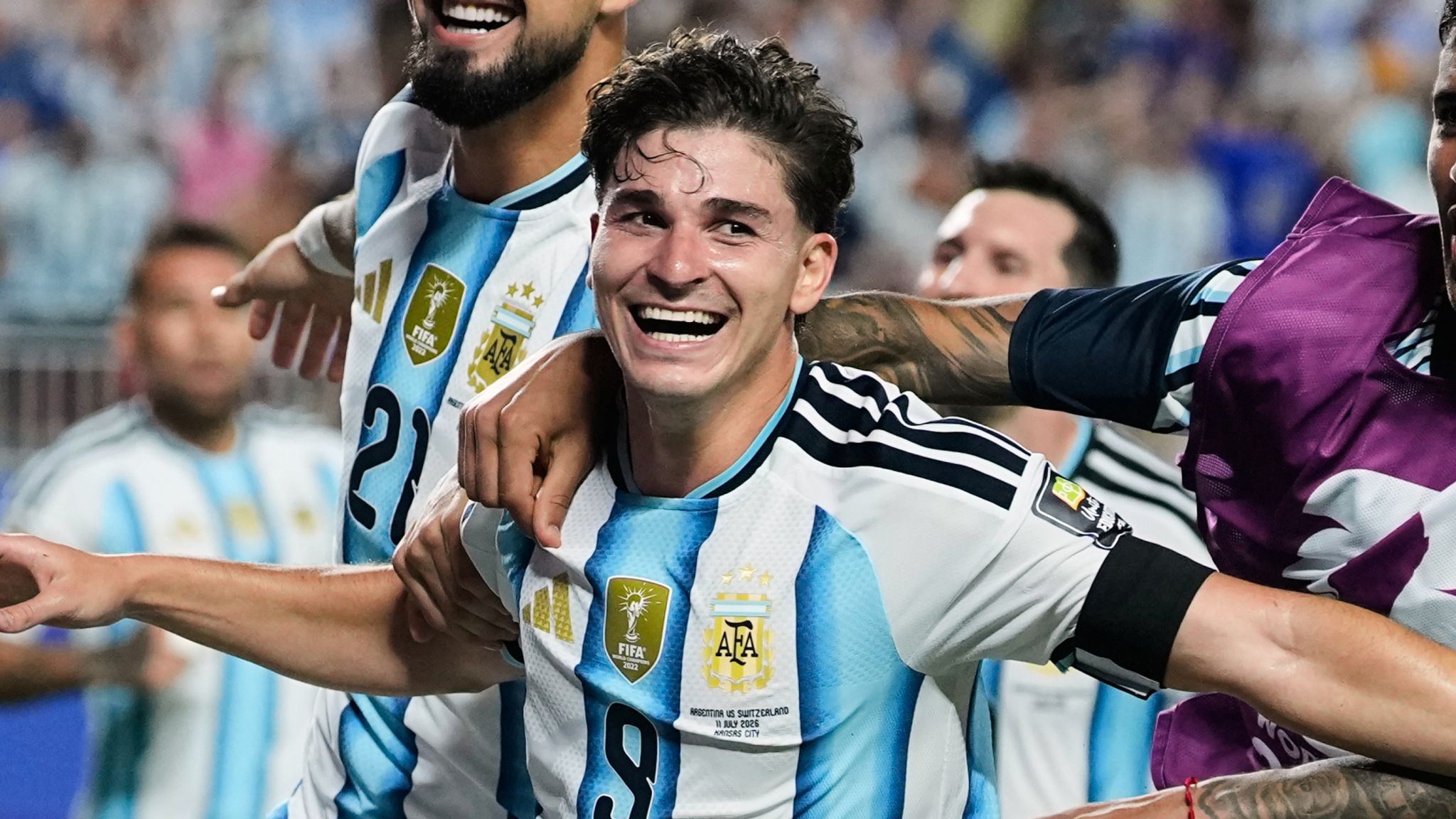
- Julián Álvarez scored a 112th-minute long-range screamer to break a deadlock caused by a stubborn 10-man Swiss defense.
- The match was defined by a controversial VAR “mistaken identity” red card for Breel Embolo in the 72nd minute.
Table of Contents
The high-stakes battle between Argentina vs Switzerland at the Kansas City Stadium lived up to every ounce of its quarter-final billing. In a match that fluctuated between tactical chess and chaotic drama, the defending champions proved once again why they are the masters of the 120-minute marathon. Lionel Scaloni’s side survived a massive scare to eventually dismantle a resilient Swiss team that refused to fold even when a man down.
Argentina’s tournament survival instinct remains their greatest asset. While they dominated the opening exchanges, the middle period of the match saw them lose control of the tempo. It took a moment of individual brilliance from Julián Álvarez to prevent the lottery of a penalty shootout. This victory reinforces Argentina’s historic dominance in extra time, marking their 11th win in 13 such World Cup scenarios.
How Did Argentina’s Early Pressure Stun the Swiss?
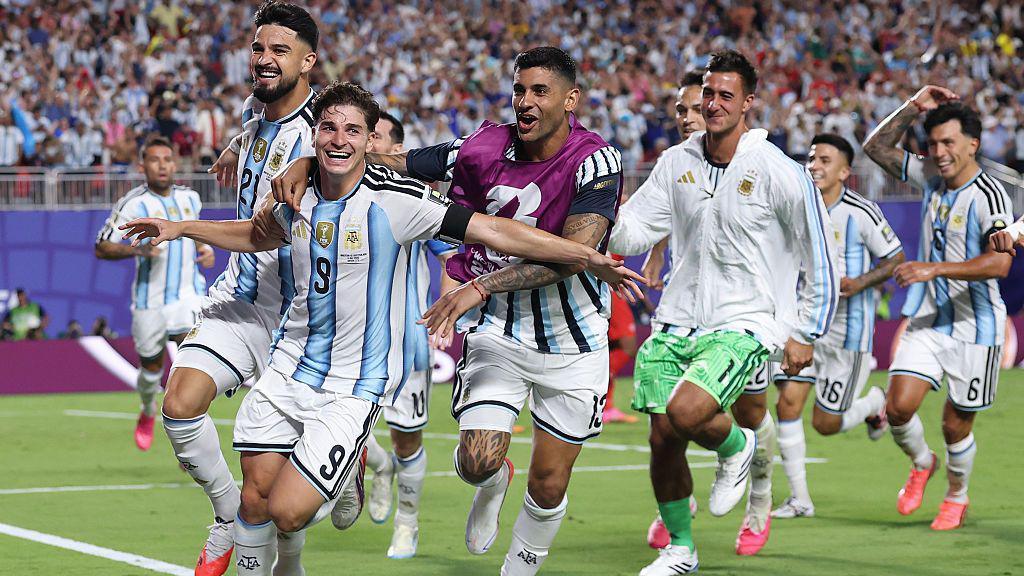
Argentina wasted no time establishing their authority in Missouri. Within the first ten minutes, Lionel Messi was pulling the strings from a deep-lying playmaker role. His corner kick in the 10th minute was a masterpiece of precision. Alexis Mac Allister, drifting completely unmarked into the heart of the box, met the delivery with a powerful header that left Yann Sommer rooted to the spot.
ALSO READ: Norway vs England: Bellingham Brace Send Three Lions to Semis
The goal felt like the start of a rout. Argentina played with a fluid 4-3-3 that often saw Messi drop between the lines to create overloads. Switzerland struggled to find their rhythm as the Argentine press forced several turnovers in the middle third. However, the Albiceleste failed to capitalize on three further clear-cut chances before the halftime whistle blew.
Switzerland’s persistence eventually paid off in the second half. Dan Ndoye, who has been a breakout star in this tournament, silenced the largely pro-Argentina crowd. In the 67th minute, he played a slick one-two with the veteran Ricardo Rodríguez. Ndoye’s clinical finish under the sprawling Emi Martínez capped off a rare but beautiful Swiss counter-attack that leveled the scores.
Why Was the Breel Embolo Red Card So Controversial?
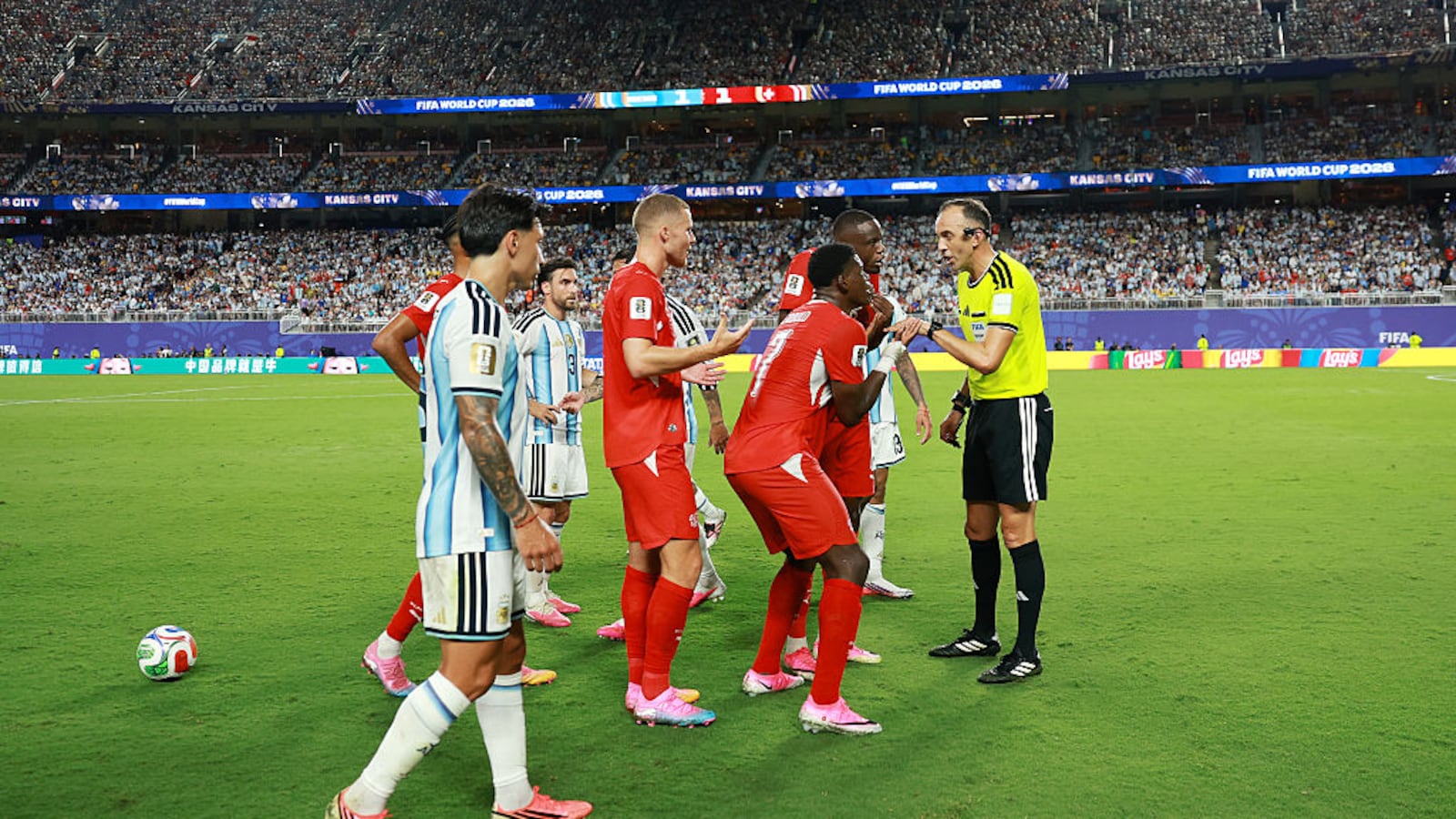
The defining moment of the match arrived in the 72nd minute, sending shockwaves through the stadium. Breel Embolo went down under a challenge from Leandro Paredes, and the referee initially pointed for a Swiss free-kick. However, the VAR room triggered a review under the newly implemented “mistaken identity” and simulation protocols for 2026. The replay clearly showed Embolo initiating the contact and diving before any physical interaction occurred.
ALSO READ: Spain vs Belgium: Super-Sub Mikel Merino Sends Spain to Semifinals
The referee overturned the foul and issued a second yellow card to Embolo for simulation. This left Switzerland with ten men for the final twenty minutes of normal time and the entirety of the extra-time period. This dramatic shift forced Swiss coach Murat Yakin to withdraw his attacking threats in favor of a low-block 5-3-1 formation. The decision sparked massive protests on the pitch, but the VAR data was undeniable.
ALSO READ: Sadio Mane International Retirement: Senegal Icon Steps Down After World Cup Heartbreak
Despite the numerical disadvantage, Switzerland’s defensive structure was heroic. Manuel Akanji and Fabian Schär performed at an elite level, blocking 14 shots combined during the closing stages. They frustrated the world champions, pushing the game into a tense extra-time period where Argentina’s depth was finally tested to its limit. This victory in this Argentina vs Switzerland quarter-final came only after the Swiss wall finally cracked.
Can Argentina vs Switzerland Be Defined by Julián Álvarez’s Rocket?
As the clock ticked toward the 112th minute, the specter of penalties loomed large. Argentina had dominated 78% of the possession in extra time but lacked the final pass. Enter Julián Álvarez. Receiving a short, sharp pass from José Manuel López, Álvarez took one touch to set himself and unleashed a 25-yard thunderbolt into the far top corner. It was a goal worthy of winning any World Cup quarter-final.
The strike changed the psychological complexion of the game. Switzerland, exhausted from their 10-man shift, were forced to commit bodies forward in search of another equalizer. This played directly into Argentina’s hands. During a frantic final minute of stoppage time, Thiago Almada led a devastating counter-attack. Though his initial shot was parried, Lautaro Martínez was on hand to tap in the rebound and seal the 3-1 result.
Extra time during Argentina vs Switzerland has historically been a fruitful period for the Albiceleste. Their ability to maintain physical intensity while others fade is a testament to their conditioning. Scaloni’s use of substitutes, particularly bringing on López and Almada, provided the fresh legs needed to bypass the weary Swiss midfield. The late flurry of goals masked how close Switzerland came to a historic upset.
What Do the Advanced Performance Metrics Reveal?
The statistical breakdown reveals a match of two distinct halves—one tactical and one purely emotional. Argentina finished with an Expected Goals (xG) of 2.84, significantly outperforming Switzerland’s 1.12. The bulk of Argentina’s xG was generated in the final thirty minutes of the match. Swiss goalkeeper Yann Sommer kept his side in the contest with seven high-claim saves and three reflex stops from close range.
| Metric | Argentina | Switzerland |
|---|---|---|
| Possession (%) | 64% | 36% |
| Shots on Target | 11 | 3 |
| Expected Goals (xG) | 2.84 | 1.12 |
| High-Intensity Sprints | 142 | 118 |
| Pass Accuracy (%) | 89% | 74% |
Julián Álvarez’s player efficiency rating was boosted by his defensive work rate, recording four ball recoveries in the final third. On the Swiss side, Dan Ndoye covered 13.4km, the highest on the pitch before his substitution. The tactical data suggests that while Switzerland were clinical, they lacked the rotational depth to cope with Argentina’s bench strength in the Missouri heat.
How Did the Kansas City Atmosphere Impact Local Fans?
The “On-the-Ground Perspective” reveals a fascinating cultural crossover in Kansas City. For Kenyan fans watching Argentina vs Switzerland in the heart of Nairobi or from the Missouri stands, the energy was electric. Many local supporters noted that the “mistaken identity” red card felt like a moment of true sporting justice, despite the heartbreak for the Swiss. Social media sentiment in Kenya trended heavily toward “La Scaloneta,” with fans celebrating Messi’s continued journey toward a possible second title.
Local viewing parties in Nairobi were packed with supporters wearing the iconic sky-blue and white stripes. The tension during the 1-1 deadlock was palpable, with many fearing that Switzerland would replicate their Euro 2020 giant-killing antics. When Álvarez’s strike hit the back of the net, the roar from the fans echoed the same passion seen at the Kansas City Stadium. It highlights how the World Cup transcends borders, uniting fans from Eldoret to Buenos Aires.
The atmosphere in Kansas City was equally intense, with a record-breaking 72,000 fans in attendance. The heat index reached 32°C at kickoff, which clearly played a role in the fatigue seen during the second half. Swiss fans were praised for their sportsmanship, staying long after the final whistle to applaud their team’s valiant effort against the world’s top-ranked side. For Argentina, the win feels like destiny; for Switzerland, it is a “what if” moment clouded by VAR controversy.
How Does This Win Set Up the Semi-Final Against England?
How Does the Argentina vs Switzerland Outcome Reshape the Bracket? By advancing, Argentina sets up one of the most anticipated semi-finals in recent history. They will face England this Wednesday at the Atlanta Stadium. The rivalry between these two nations is steeped in World Cup lore, from the “Hand of God” to the Beckham red card of 1998. This upcoming clash promises to be a tactical masterclass between Scaloni and the English tactical setup.
England enters the semi-final after a convincing win in their respective quarter-final. Argentina will need to recover quickly, as the 120 minutes played in Kansas City will undoubtedly take a physical toll.
The status of Marcos Acuña and Rodrigo De Paul remains a concern, as both players were seen limping during the post-match celebrations. However, with Messi in this form and Álvarez finding his range, Argentina remains the slight favorite.
SportsLeo forecasts a highly defensive start to the semi-final. England’s pace on the wings will challenge Argentina’s aging full-backs, but the Albiceleste’s midfield control is currently unmatched. If Argentina can replicate their high-intensity press from the first ten minutes of today’s match, they could overwhelm the Three Lions early. Wednesday’s match in Atlanta is expected to shatter viewership records globally.
Frequently Asked Questions about Argentina vs Switzerland
What was the final score of the Argentina vs Switzerland match?
Argentina won the match 3-1 after extra time, following a 1-1 deadlock in normal time.
Who scored the crucial extra-time goals for Argentina?
Julián Álvarez scored a spectacular go-ahead goal in the 112th minute, and Lautaro Martínez sealed it in the 121st minute.
Why was Breel Embolo sent off?
The Swiss striker received a second yellow card for simulation following a dramatic VAR review in the 72nd minute.
Who will Argentina face in the semi-finals?
Argentina advances to play fierce rivals England in the semi-finals this Wednesday.
Where was the match played?
The quarter-final match took place at the Kansas City Stadium in Missouri on Sunday, July 12, 2026.