



- Money isn’t just a factor in the most expensive sports in the world; it’s often the main one
- Many people think that Formula 1 is one of the most expensive sports
- It’s easy to see why: everything about F1 is high-tech, high-stakes, and high-cost
Money isn’t just a factor in the most expensive sports in the world; it’s often the main one. The top level of global athletics is defined not only by talent but also by mind-boggling budgets.
For example, they own multimillion-dollar horses and keep F1 cars that cost more than private jets. To compete at these levels, you need more than just skill. You need sponsorships, top-of-the-line gear, and sometimes even family money.
ALSO READ: Remembering South African athletes who were killed in robberies
These sports are at the crossroads of competition and luxury, and part of what makes them so appealing is that they are exclusive. Let’s really get into what makes these games the best in the world and how the price affects who can play.
Learning About the Most Costly Sports
To understand the most expensive sports, you first need to know how much it costs to watch them and how much it costs to play them. You don’t need much gear to play a lot of sports, like basketball or soccer, at an amateur level. But the really expensive ones cost a lot of money just to get on the field.
For example, equestrian sports, sailing, Formula 1, polo, and golf all need special gear and are expensive to maintain and travel to. Also, the cost of training, insurance, and logistics means that only a small group of people can take part in a serious way.
ALSO READ: Who is Klay Thompson Girlfriend? Dating History Revealed (2026)
Let’s look at each of the most expensive sports in the world now and find out why they cost so much.
1. Formula 1: The Best of Motorsports and Spending
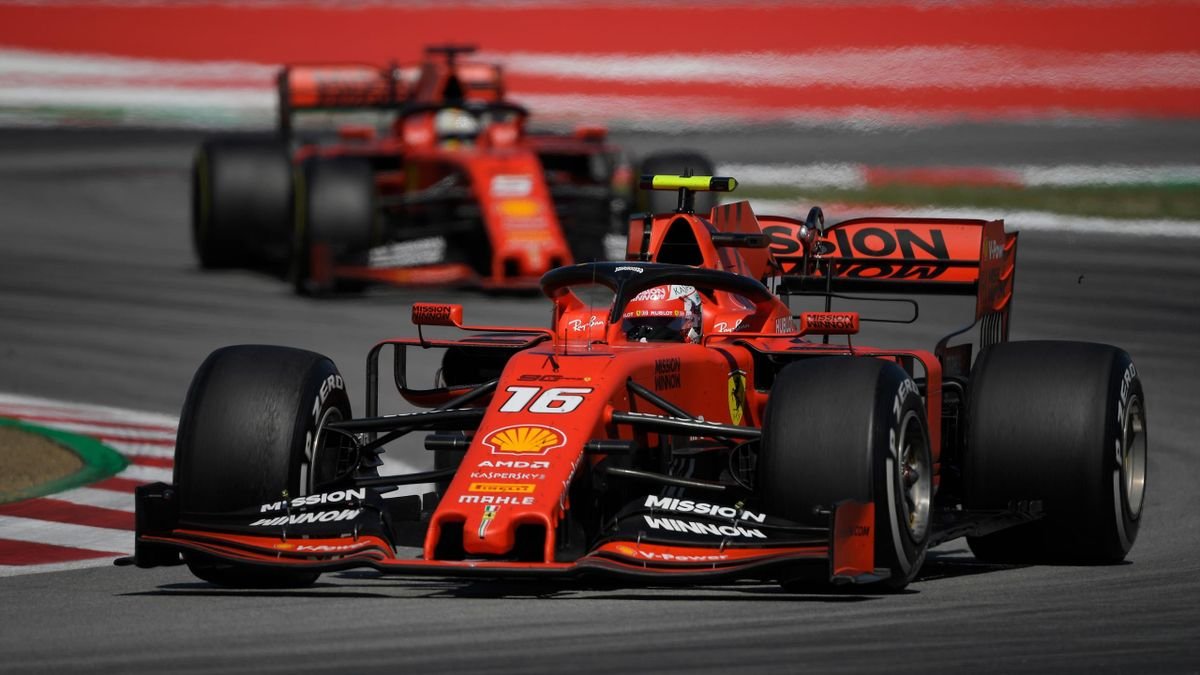
Formula 1 is widely regarded as one of the most expensive sports. It’s easy to see why: everything about F1 is high-tech, high-stakes, and high-cost.

Depending on the design, materials, and technology, an F1 car can cost anywhere from $15 million to $20 million. That’s only the beginning, though. Hundreds of engineers, designers, and mechanics work year-round on research and development for each team. Even with the FIA’s cost caps in place, team budgets can easily go over $250 million a year.
ALSO READ: 10 most popular sports in South Africa
Then there’s the logistics of moving teams, cars, and equipment to 24 different race locations around the world each season. With sponsorships, driver salaries (stars like Max Verstappen and Lewis Hamilton make more than $50 million a year), and other costs, this is one of the most expensive sports ever made.
What makes F1 interesting, though, is how money and new ideas come together. Every season, technology gets better, turning it into a global science and engineering competition on wheels.
2. Horseback Riding—Horses are worth more than supercars
Equestrian events, especially show jumping, dressage, and polo, are some of the most prestigious sports in the world of luxury athletics. The horses themselves are the main reason these sports are so expensive.
The price of a top-tier competition horse can range from $250,000 to $15 million, depending on its pedigree, training, and competition record. Veterinary care, stabling, food, grooming, and travel can all add up to $200,000 a year in maintenance costs. Horses are living athletes that need constant care, so they can’t just be “fixed” or replaced like race cars.
ALSO READ: Most supported English Premier League clubs in Africa
There are also the costs to people, like the cost of elite training facilities, coaches, and entry fees for big events like the Olympics or the FEI World Cup. These events draw in celebrities, billionaires, and royals, which gives them a social cachet that makes equestrianism one of the most expensive sports in the world.
3. Polo, the “Sport of Kings”
Polo has always been linked to the rich and powerful, and for good reason: it’s one of the most expensive sports to play seriously. Polo is often called “the sport of kings,” and each player needs more than one horse for each match.
Taking care of a string of polo ponies can cost more than $1 million a year, which includes transportation, grooming, and stabling. Players also spend a lot of money on special gear and travel to tournaments like the Argentine Open or the Cartier Queen’s Cup on other continents.
Polo is also a status symbol, in addition to being useful. It’s not just about playing; it’s also about being part of a group of elite fans who mix competition with networking and giving back. The sport is just as much about being exclusive as it is about playing.
4. Sailing and yacht racing: the ocean’s billionaire battleground
Professional sailing is one of the most expensive hobbies when it comes to maritime competition. The America’s Cup is one of the most expensive sports events in the world, with custom-built yachts that can cost more than $100 million each.
But the costs are much higher than just the boats. To keep a professional sailing team going, you need naval architects, rigging experts, meteorologists, and whole logistics teams to handle travel and competition around the world. Crew members often need a lot of training in safety and endurance, which costs more money.
Sponsors are very important here; most teams are backed by big companies or billionaires who love the sea. For instance, the America’s Cup is as much about national pride and technological superiority as it is about sports.
5. Golf—Costs for Green Grass and Gold Standard
Golf has always been a sign of class and exclusivity. The game may not seem as exciting as racing or sailing, but it is one of the most expensive sports in the world because of the cost of equipment, memberships, and travel.
Professionals have to pay a lot to play on the PGA or DP World Tour. Just the equipment can cost more than $10,000, and travel costs can be more than $250,000 a year. Even for amateurs, membership fees at top clubs like Augusta National, Shinnecock Hills, or St. Andrews can be in the six figures each year, and initiation fees can be as high as $500,000.
Then there’s the real estate side: a lot of players own or train on private courses or at high-end resorts. Golf is as much a way of life as it is a sport, which is why it is one of the most expensive sports in the world.
6. Ice hockey: gear, travel, and team costs
Ice hockey is another sport that costs a lot of money, especially at the professional and college levels. Because the sport is so physically demanding, players often have to buy new gear, which can cost between $3,000 and $5,000.
To keep an NHL team going at the professional level, you need to pay for facilities, staff, and player contracts that cost millions of dollars. Team budgets can be in the hundreds of millions of dollars each year, and top players like Connor McDavid make more than $12 million a year.

It costs a lot for young people to get involved, too. Parents in North America frequently invest between $15,000 and $25,000 annually on travel teams, ice time, and tournaments. Hockey may not seem as fancy as polo or sailing, but its infrastructure and maintenance costs make it one of the most expensive sports.
7. Skiing and snowboarding: the cost of going after winter
Skiing may seem like a fun thing to do on vacation, but it’s one of the most expensive sports when you do it competitively. Professional skiers have to travel between continents to find winter, keep up with several sets of gear, and hire personal trainers and physiotherapists.
Athletes usually use dozens of pairs of race skis each season, and each pair costs between $1,000 and $1,500. When you add in the cost of staying in high-end mountain resorts like St. Moritz, Aspen, or Courchevel, the numbers go up quickly.
The barrier to entry is still high, even for people who just want to have fun. Ski passes, gear, and travel can make a week-long trip cost more than $5,000 for each person. Because of this, skiing and snowboarding have long been thought of as sports for the rich.
8. Tennis: Individual Greatness with Team-Level Costs
Tennis may seem easier to get into, but at the professional level, it is one of the most expensive sports in the world because players have to pay for almost everything themselves. Tennis pros have to pay for their own travel, lodging, coaches, physiotherapists, and even stringing services. Team athletes don’t have to do this.

The ATP says that a mid-ranked player spends between $300,000 and $500,000 a year just to play on tour. Only people who consistently make it to the finals of tournaments can make money. The demands of traveling around the world, which can be more than 30 times a year, make things even harder.
Families can spend more than $100,000 a year on coaching and tournaments, even for younger kids. The high cost of tennis makes it one of the most expensive sports for people who want to become professionals, even though it is loved all over the world.
9. Fencing: Beautiful, technical, and surprisingly expensive
Fencing is a sport that combines history, skill, and style, but it also costs a lot of money. Competitive fencing is one of the most expensive sports in the world because it requires special gear that meets international safety standards, as well as custom-made weapons and uniforms.
A high-quality fencing sword (épée, foil, or sabre) can cost between $300 and $500, and electric scoring equipment adds even more costs. Traveling to international tournaments, which are often in Europe and Asia, quickly adds to the cost. Elite fencers often need sponsorships or money from their country to keep competing.
Fencing is not as flashy as Formula 1 or polo, but it has the same exclusivity and high barrier to entry that make the most expensive sports in the world.
10. Surfing: The Cost of Finding the Perfect Wave
Surfing makes you think of the sun, the sea, and freedom, but at the top level, it’s anything but cheap. Professional surfers who travel to Tahiti, Hawaii, Australia, and South Africa to chase waves spend a lot of money on travel, insurance, and gear.
It may only cost $1,000 for a surfboard, but pros usually have dozens of them, each one made for a different type of wave. With airfare, lodging, and sponsorship costs, the total goes over $200,000 per season.
The professional circuit is very selective, and only a small number of surfers ever get enough sponsorship to cover their costs. For a lot of people, it’s a way of life—a quest for perfection in one of the most unpredictable places on Earth. That combination of passion and cost makes surfing one of the most expensive sports in the world.

The Hidden Costs: Time, Travel, and Training
In addition to the obvious costs, the most expensive sports also require time, access, and networking. Private coaching, exclusive clubs, global travel, and even political connections are some of the hidden costs that really set participants apart from spectators.
These sports usually happen in places with a lot of money, like Monaco for F1, St. Moritz for skiing, Dubai for horse racing, and Palm Beach for polo. Being able to participate isn’t enough; you also have to be part of a privileged ecosystem.
For instance, families can spend more than $1 million a year on average for an F1 development driver program before they even get to the professional level. In the same way, to join a top-tier polo club, you might need a sponsorship or family ties. Competitive sailing teams often look for people from elite universities and maritime programs.
The exclusivity adds to the appeal—the harder it is to get in, the more prestigious the sport becomes.
Why People Still Pay to Play
So why do fans, athletes, and investors keep putting billions of dollars into the most expensive sports in the world? The answer is a mix of status, passion, and the desire to be the best.
These sports give billionaires and royals cultural capital, which is a way for their wealth to turn into power. For athletes, they offer a unique chance to learn both art and science. And for people who watch, the glamour and sophistication are a way to escape.
In the end, these aren’t just games; they show how human ambition can be boosted by money.
Changes in the Modern World: Technology and Access
The most expensive sports are slowly changing, which is interesting. Technology is making it a little easier to get performance analytics and equipment that costs less. For example, virtual racing simulators let new drivers practice without having to buy expensive equipment.
In the same way, golf and tennis academies now give scholarships to promising young players, no matter how much money they have. Still, gated communities are still the best places to live, where money determines opportunity.
In these circles, “sustainability” and “cost-effectiveness” are becoming buzzwords. The new Formula 1 hybrid rules, eco-friendly sailing materials, and training models are all meant to make competition less expensive. But don’t get me wrong: for now, the most expensive sports in the world are still as exclusive as ever.
Conclusion
In the big picture of global competition, the most expensive sports in the world are more than just great athletes; they show how much society is interested in power, privilege, and prestige. They show how far people will go to get both victory and status, from roaring engines to galloping horses, from luxury yachts to perfect greens.
These sports are at their best when they test the limits of engineering, endurance, and art. At their most exclusive, they show the difference between people who dream and people who can afford to make those dreams come true.
The smell of gas at Monaco, the silence before a tee shot at Augusta, or the sound of hooves on a polo field are all things that remind us that the best things in life always cost a lot of money—money that only a few people can afford.
FAQs
Which is the most expensive sport in the world?
- Formula One
- Horseback riding
- Polo
- Sailing and yacht racing
- Golf
What are the top 10 highest paid sports?
- Basketball (Global, but US-dominated)
- Soccer (Football) (Global)
- Ice Hockey (Global, strong North American influence)
- Formula 1 Racing (Global)
- Cricket (Global, significant in Asia and the UK)
- Tennis (Global)
- Boxing (Global)
- Mixed Martial Arts (MMA) (Global)
What is the most valuable sport in the world?
Formula One racing is the world’s most expensive sport, with team budgets exceeding $450 million annually and individual cars costing up to $20 million.
What’s the most luxurious sport?
Formula 1 leads the list as the most expensive sport in the world, with team budgets reaching hundreds of millions each season.
Discover more from Sportsleo News
Subscribe to get the latest posts sent to your email.